

Dr. Gregor Kowal is a German Board-Certified Consultant Psychiatrist and Psychotherapist with three decades of clinical experience. After graduating from the University of Heidelberg, Germany, he held senior leadership positions as Head of Department and Medical Director at psychiatric hospitals in Germany. Since 2010, he has been the Medical Director of CHMC German Clinic for Psychiatry and Psychology in Dubai. He specialises in the diagnosis and treatment of postpartum depression, and other psychiatric conditions in adults, using evidence-based treatment tailored to each patient’s individual needs.
The birth of a baby is usually associated with happiness, but pregnancy and the months following childbirth can also be emotionally and physically demanding. Some mothers experience persistent sadness, anxiety, exhaustion, guilt or loss of interest and pleasure that goes beyond the temporary emotional changes commonly known as the baby blues.
When these symptoms persist, become more severe or interfere with everyday functioning, relationships or caring for the baby, they may indicate postpartum depression. Treatment for postpartum depression includes psychotherapy, medication, practical and family support, or a combination of these approaches, depending on the severity of symptoms and the individual situation.
At CHMC Dubai, postpartum depression is assessed and treated within the broader framework of professional depression treatment, while taking into account the particular psychological, medical and social circumstances associated with pregnancy, childbirth and early motherhood.
For Assessment of Postpartum Depression Contact Our Consultant Psychiatrist
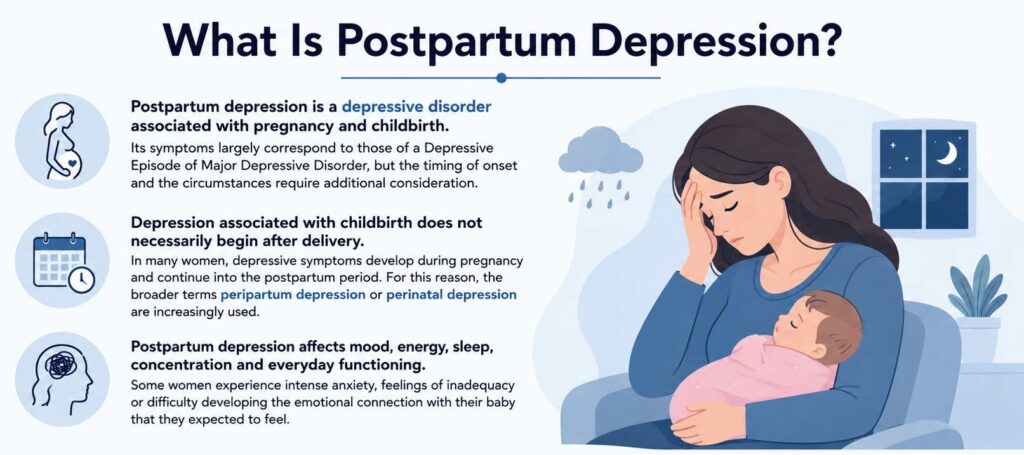
What Is Postpartum Depression?
Postpartum depression is a depressive disorder associated with pregnancy and childbirth. Its symptoms largely correspond to those of a Depressive Episode of Major Depressive Disorder, but the timing of onset and the circumstances surrounding pregnancy and childbirth require additional consideration.
Depression associated with childbirth does not necessarily begin after delivery. In many women, depressive symptoms develop during pregnancy and continue into the postpartum period. For this reason, the broader terms peripartum depression or perinatal depression are increasingly used.
Postpartum depression affects mood, energy, sleep, concentration and everyday functioning. Some women experience intense anxiety, feelings of inadequacy or difficulty developing the emotional connection with their baby that they expected to feel.
It is important to distinguish postpartum depression from the much more common and temporary baby blues and from the rare but potentially dangerous condition known as postpartum psychosis.
How Common Is Postpartum Depression?
Postpartum depression is relatively common. Estimates vary between studies and populations, but approximately 10–15% of mothers experience clinically significant depressive symptoms after childbirth.
The condition may nevertheless remain unrecognized. Exhaustion, sleep disturbance and emotional changes can initially be attributed to the normal demands of caring for a newborn. Some mothers also hesitate to discuss their symptoms because they feel ashamed or guilty about being depressed at a time when they believe they should be happy.
Recognizing these symptoms as a possible mental health condition rather than simply a difficult adjustment to motherhood can help women seek professional support earlier.
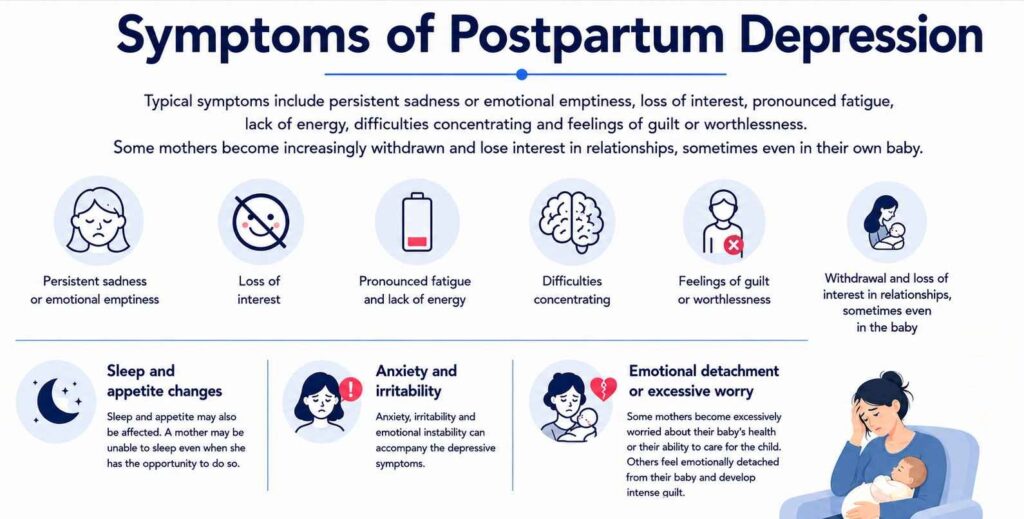
Symptoms of Postpartum Depression
Typical symptoms of postpartum depression include persistent sadness or emotional emptiness, loss of interest, pronounced fatigue, lack of energy, difficulties concentrating and feelings of guilt or worthlessness. Some mothers become increasingly withdrawn and lose interest in relationships, sometimes even in their own baby.
Sleep and appetite may also be affected. Sleep disturbance can be particularly difficult to evaluate after childbirth because caring for a newborn naturally interrupts sleep. In postpartum depression, however, a mother may be unable to sleep even when she has the opportunity to do so.
Anxiety, irritability and emotional instability can accompany the depressive symptoms. Some mothers become excessively worried about their baby’s health or their own ability to care for the child. Others feel emotionally detached from their baby and subsequently develop intense guilt because they believe they should feel happier or more connected.
In severe postpartum depression, hopelessness may become pronounced and thoughts of death, suicide or self-harm can occur. Such symptoms require prompt psychiatric assessment.
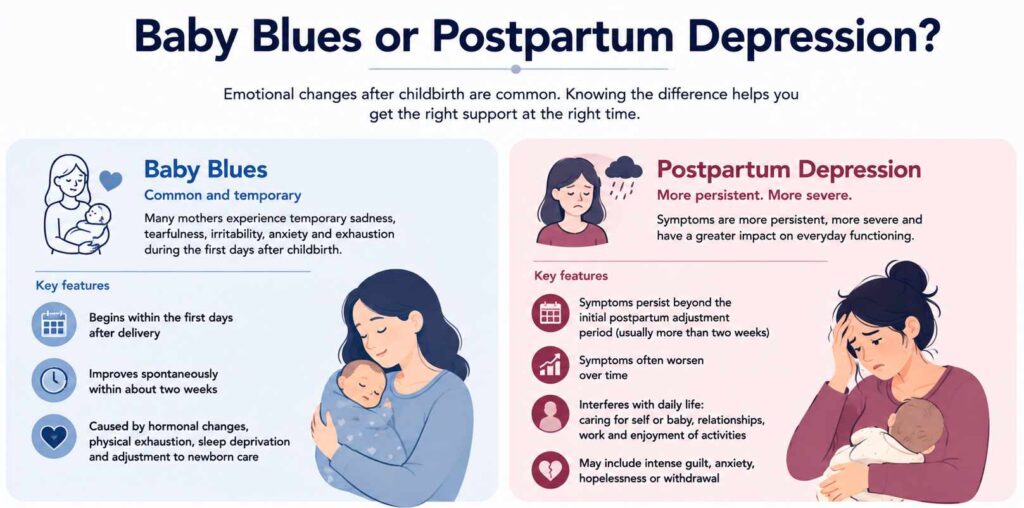
Baby Blues or Postpartum Depression?
Emotional changes during the first days after childbirth are extremely common. Many mothers experience temporary sadness, tearfulness, irritability, anxiety and exhaustion. These emotional changes are generally referred to as the baby blues. Baby blues typically begin within the first days after delivery and improve spontaneously within approximately two weeks. Hormonal changes, physical exhaustion, sleep deprivation and the psychological adjustment to caring for a newborn may all contribute.
Postpartum depression is different. The symptoms are more persistent, more severe and have a greater impact on everyday functioning. A mother may struggle to care for herself or her baby, withdraw from other people, lose interest in previously enjoyable activities or experience pronounced guilt, anxiety and hopelessness. When symptoms persist beyond the initial postpartum adjustment period, progressively worsen or substantially interfere with everyday life, professional assessment is advisable.
When Should You Seek Help for Postpartum Depression?
Professional assessment should be considered when sadness, anxiety, exhaustion or other psychological symptoms persist for more than approximately two weeks, become increasingly severe or interfere with the mother’s ability to function. Assessment is particularly important when a mother has difficulty caring for herself or her baby, becomes increasingly socially withdrawn, experiences severe anxiety or panic attacks, or develops pronounced feelings of worthlessness or hopelessness.
Thoughts of suicide or self-harm require urgent psychiatric assessment.
Severe confusion, hallucinations, delusional beliefs or markedly disorganized behaviour after childbirth may indicate postpartum psychosis and require immediate medical attention.
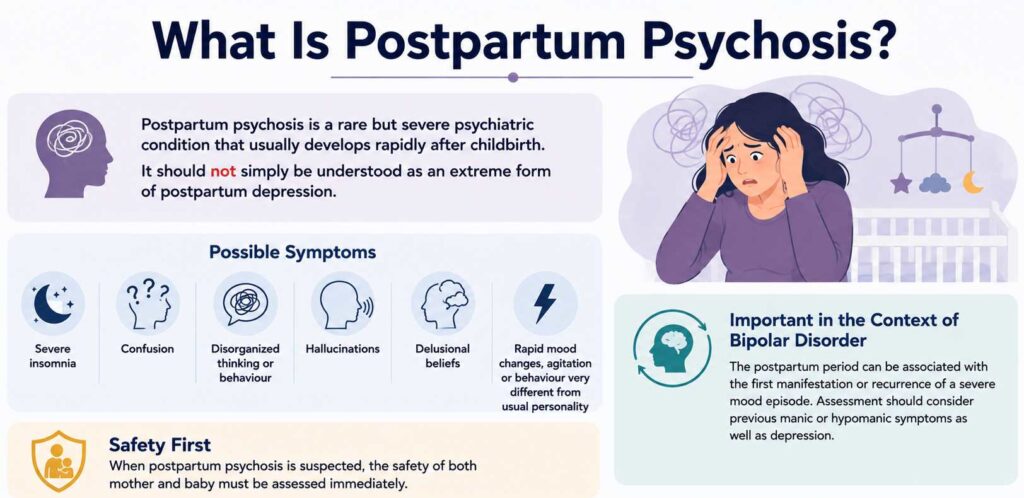
What Is Postpartum Psychosis?
Postpartum psychosis is a rare but severe psychiatric condition that usually develops rapidly after childbirth. It should not simply be understood as an extreme form of postpartum depression. Symptoms may include severe insomnia, confusion, disorganized thinking or behaviour, hallucinations and delusional beliefs. Mood can change rapidly, and some women become extremely agitated or behave in ways that are completely different from their usual personality.
Postpartum psychosis is particularly important in the context of bipolar disorder. The postpartum period can be associated with the first manifestation or recurrence of a severe mood episode. Psychiatric assessment should therefore consider previous manic or hypomanic symptoms as well as depression. When postpartum psychosis is suspected, the safety of both mother and baby must be assessed immediately.
Postpartum psychosis is a psychiatric emergency and usually requires hospitalization and immediate treatment.
What Causes Postpartum Depression?
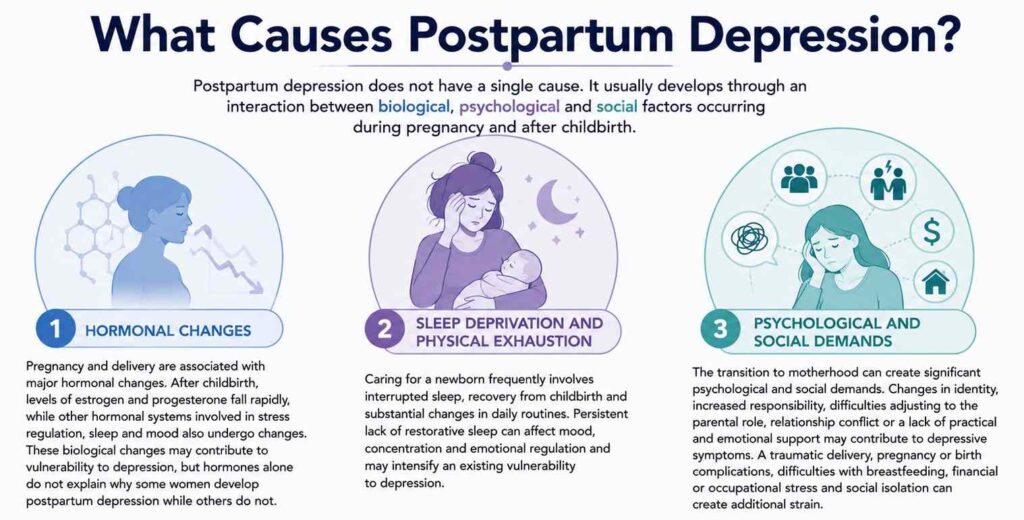
Postpartum depression does not have a single cause. It usually develops through an interaction between biological, psychological and social factors occurring during pregnancy and after childbirth.
Hormonal Changes
Pregnancy and delivery are associated with major hormonal changes. After childbirth, levels of estrogen and progesterone fall rapidly, while other hormonal systems involved in stress regulation, sleep and mood also undergo changes. These biological changes may contribute to vulnerability to depression, but hormones alone do not explain why some women develop postpartum depression while others do not.
Sleep deprivation and physical exhaustion
Sleep deprivation and physical exhaustion can also play an important role. Caring for a newborn frequently involves interrupted sleep, recovery from childbirth and substantial changes in daily routines. Persistent lack of restorative sleep can affect mood, concentration and emotional regulation and may intensify an existing vulnerability to depression.
Psychological and Social Demands
The transition to motherhood can also create significant psychological and social demands. Changes in identity, increased responsibility, difficulties adjusting to the parental role, relationship conflict or a lack of practical and emotional support may contribute to depressive symptoms. A traumatic delivery, pregnancy or birth complications, difficulties with breastfeeding, financial or occupational stress and social isolation can create additional strain.
Postpartum depression is therefore best understood as a multifactorial psychiatric disorder rather than simply a consequence of hormonal changes after childbirth.
Risk Factors for Postpartum Depression
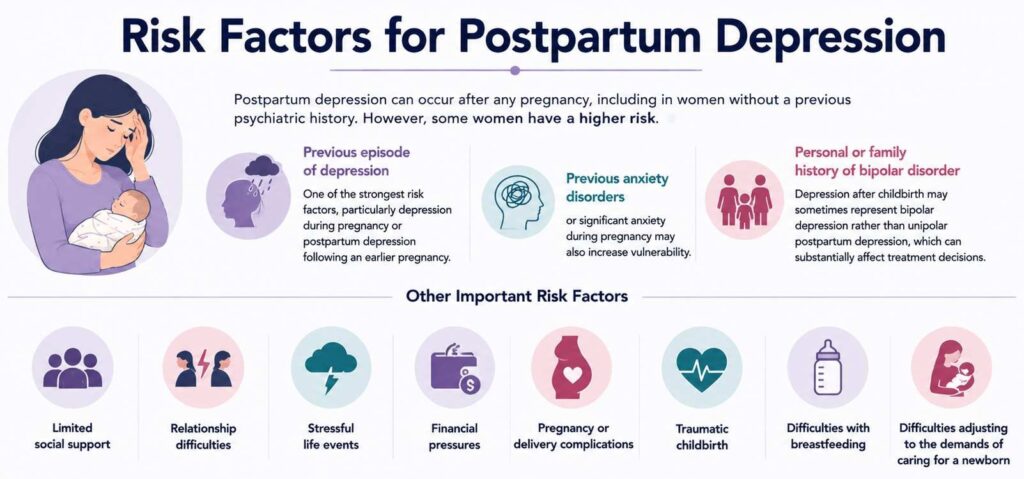
Postpartum depression can occur after any pregnancy, including in women without a previous psychiatric history. However, some women have a higher risk. One of the strongest risk factors is a previous episode of depression, particularly depression during pregnancy or postpartum depression following an earlier pregnancy.
Previous anxiety disorders or significant anxiety during pregnancy may also increase vulnerability.
A personal or family history of bipolar disorder is particularly important. Depression following childbirth may sometimes represent bipolar depression rather than unipolar postpartum depression, which can substantially affect treatment decisions.
Other risk factors include limited social support, relationship difficulties, stressful life events, financial pressures, pregnancy or delivery complications, traumatic childbirth and difficulties adjusting to the demands of caring for a newborn.
Risk factors increase probability but do not determine outcome. Postpartum depression can develop without identifiable risk factors, while many women with several risk factors do not develop the disorder.
Depression is not the only psychiatric condition that can emerge or become more severe during the postpartum period. Anxiety symptoms and obsessive-compulsive symptoms may occur alongside postpartum depression or as separate disorders.
Postpartum Anxiety and OCD
Postpartum anxiety may involve persistent worry about the baby’s health or safety, difficulty relaxing, physical tension, panic attacks or a constant feeling that something bad is about to happen. Some mothers become extremely vigilant and find it difficult to sleep even when the baby is sleeping.
Intrusive thoughts can also occur after childbirth. These may involve unwanted and distressing images or thoughts about accidental or intentional harm coming to the baby. In postpartum OCD, such thoughts are typically unwanted, frightening and inconsistent with the mother’s wishes. The person may respond by repeatedly checking the baby, avoiding certain situations or seeking reassurance.
The presence of an intrusive thought does not automatically mean that a mother intends to harm her baby. Nevertheless, such symptoms require careful clinical assessment. A psychiatrist needs to distinguish intrusive thoughts associated with anxiety or OCD from suicidal thoughts, genuine intent to harm, severe depression and symptoms of postpartum psychosis. This distinction is particularly important because these conditions can appear superficially similar while requiring different clinical approaches.
How Is Postpartum Depression Diagnosed?
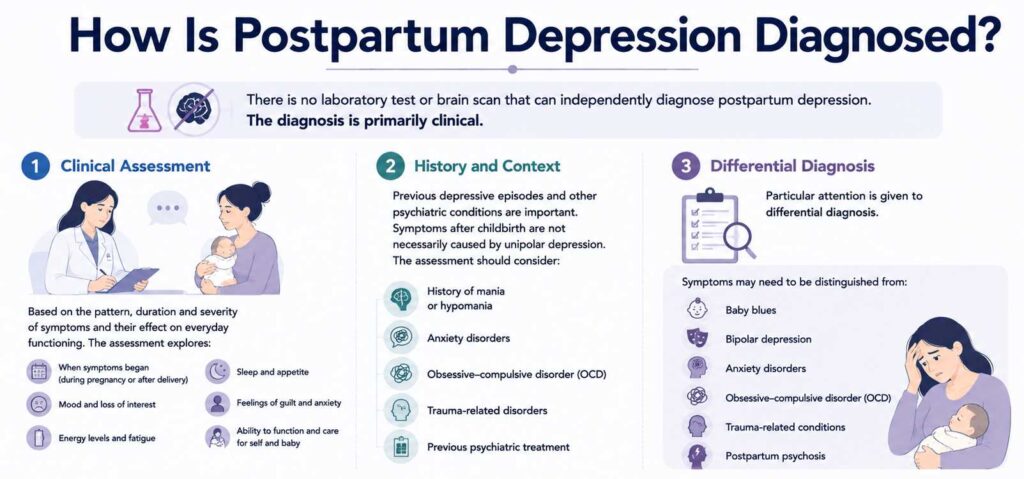
There is no laboratory test or brain scan that can independently diagnose postpartum depression. The diagnosis is primarily clinical and is based on the pattern, duration and severity of symptoms and their effect on everyday functioning. A psychiatric assessment considers when the symptoms began, including whether they started during pregnancy or after delivery. It also explores mood, loss of interest, energy levels, sleep, appetite, guilt, anxiety and the mother’s ability to function and care for herself and her baby.
Previous depressive episodes and other psychiatric conditions are important because symptoms occurring after childbirth are not necessarily caused by unipolar depression. The assessment should consider a history of mania or hypomania, anxiety disorders, OCD, trauma-related disorders and previous psychiatric treatment.
Particular attention should be given to differential diagnosis. Postpartum depressive symptoms may need to be distinguished from baby blues, bipolar depression, anxiety disorders, OCD, trauma-related conditions and postpartum psychosis. Physical conditions can sometimes contribute to symptoms resembling or worsening depression. Where clinically indicated, medical investigations may therefore be recommended to identify or exclude relevant physical causes.
Screening for Postpartum Depression
Screening questionnaires can help identify women who may be experiencing postpartum depression. One of the most widely used instruments is the Edinburgh Postnatal Depression Scale (EPDS), a short questionnaire designed to detect symptoms that may require further evaluation. Screening can be useful during pregnancy and after childbirth because depressive symptoms are not always spontaneously reported. Some women may interpret persistent sadness, anxiety, exhaustion or feelings of inadequacy as a normal part of becoming a mother and therefore delay seeking professional help.
However, a screening questionnaire cannot establish a psychiatric diagnosis. A high score indicates that further assessment may be appropriate, while a low score does not necessarily exclude clinically significant difficulties. A diagnosis requires a broader clinical evaluation that considers symptoms, functioning, psychiatric history and possible alternative explanations. Suicidal thoughts, severe behavioural changes, confusion, hallucinations, delusions or suspected postpartum psychosis require urgent psychiatric assessment rather than routine screening.
Treatment for Postpartum Depression
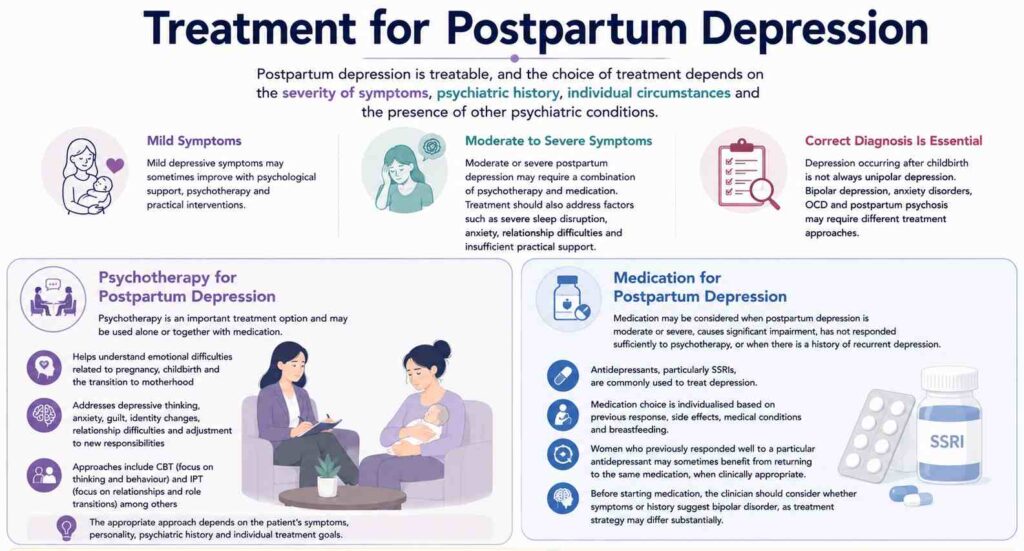
Postpartum depression is treatable, and the choice of treatment depends on the severity of symptoms, psychiatric history, individual circumstances and the presence of other psychiatric conditions.
Mild depressive symptoms may sometimes improve with psychological support, psychotherapy and practical interventions. Moderate or severe postpartum depression may require a combination of psychotherapy and medication. Treatment should also address factors such as severe sleep disruption, anxiety, relationship difficulties and insufficient practical support.
An important part of treatment planning is establishing the correct diagnosis. Depression occurring after childbirth is not always unipolar depression. Bipolar depression, anxiety disorders, OCD and postpartum psychosis may require different treatment approaches.
Psychotherapy for Postpartum Depression
Psychotherapy is an important treatment option for postpartum depression and may be used alone or together with medication. Psychotherapy can help the patient understand the emotional difficulties associated with pregnancy, childbirth and the transition to motherhood. Depending on the individual situation, treatment may address depressive thinking, anxiety, feelings of guilt or inadequacy, changes in identity, relationship difficulties and problems adjusting to new responsibilities.
Different psychotherapeutic approaches can be used. Cognitive behavioural therapy (CBT) focuses on patterns of thinking and behaviour that contribute to depression, while interpersonal psychotherapy (IPT) pays particular attention to relationships, role transitions, conflicts and changes in social support.
Other forms of psychotherapy may explore underlying emotional conflicts, previous experiences and relationship patterns that become particularly significant during pregnancy or after childbirth. The appropriate approach depends on the patient’s symptoms, personality, psychiatric history and individual treatment goals.
Medication for Postpartum Depression
Medication may be considered when postpartum depression is moderate or severe, causes significant impairment, has not responded sufficiently to psychotherapy, or when the patient has a history of recurrent depression.
Antidepressants, particularly selective serotonin reuptake inhibitors (SSRIs), are commonly used to treat depressive disorders. The choice of medication should be individualised according to previous treatment response, side effects, other medical conditions and whether the mother is breastfeeding.
Women who previously responded well to a particular antidepressant may sometimes benefit from returning to the same medication, provided that it remains clinically appropriate. Medication should not be selected solely because depressive symptoms appeared after childbirth. Before starting an antidepressant, the clinician should consider whether symptoms or psychiatric history suggest bipolar disorder, as the treatment strategy may differ substantially.
Postpartum Depression and Breastfeeding
Questions about medication and breastfeeding are common and can create additional anxiety for mothers considering psychiatric treatment. Breastfeeding does not automatically exclude antidepressant treatment. However, medication decisions during breastfeeding require an individual risk-benefit assessment that considers potential exposure of the infant as well as the risks associated with leaving significant maternal depression untreated.
Factors such as the medication being considered, dosage, the mother’s previous response to treatment, the infant’s age and health, and the severity of maternal depression can influence the decision. Untreated depression also carries risks. It can affect maternal functioning, sleep, relationships and the ability to manage everyday responsibilities. For this reason, avoiding medication is not automatically the safest option.
Practical and Family Support
Clinical treatment is often more effective when practical difficulties contributing to exhaustion and emotional strain are addressed at the same time. Sleep is particularly important. Persistent sleep deprivation can intensify depression, anxiety and emotional instability. Where possible, partners or family members can help create opportunities for uninterrupted sleep and recovery. Practical assistance with childcare and household responsibilities may also reduce pressure during the early postpartum period.
For some patients, involving the partner in treatment can help improve understanding of the condition, identify relationship difficulties and establish realistic expectations about recovery. Social support does not replace psychiatric or psychological treatment when postpartum depression is clinically significant. It can, however, form an important part of a broader treatment plan.
How Long Does Postpartum Depression Treatment Take?
Recovery varies considerably between individuals. Some women improve within weeks, while others require treatment over several months or longer. The duration of treatment depends on the severity and duration of the depressive episode, previous episodes of depression, co-existing psychiatric conditions, psychosocial circumstances and response to treatment.
Improvement is usually monitored over time rather than judged after a single appointment. Treatment may need to be adjusted if symptoms persist, side effects occur or new clinical information emerges. Medication should not usually be stopped immediately when the patient begins to feel better. Continuing treatment for an appropriate period can reduce the risk of relapse. The duration of antidepressant treatment should therefore be decided individually with the treating psychiatrist.
The overall objective is not simply short-term symptom relief but sustained recovery and restoration of everyday functioning.
Postpartum Depression Treatment at CHMC Dubai
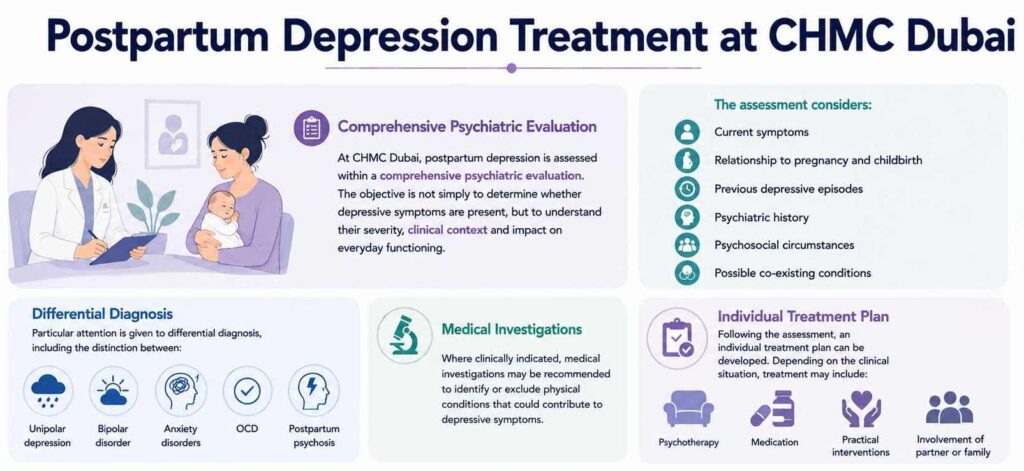
At CHMC Dubai, postpartum depression is assessed within a comprehensive psychiatric evaluation. The objective is not simply to determine whether depressive symptoms are present, but to understand their severity, clinical context and impact on everyday functioning.
The assessment considers current symptoms, their relationship to pregnancy and childbirth, previous depressive episodes, psychiatric history, psychosocial circumstances and possible co-existing conditions. Particular attention is given to differential diagnosis, including the distinction between unipolar depression, bipolar disorder, anxiety disorders, OCD and postpartum psychosis.
Where clinically indicated, medical investigations may be recommended to identify or exclude physical conditions that could contribute to depressive symptoms. Following the assessment, an individual treatment plan can be developed. Depending on the clinical situation, treatment may include psychotherapy, medication, practical interventions and involvement of the partner or family.
Because postpartum depression belongs to the broader spectrum of depressive disorders, its treatment overlaps considerably with established approaches to depression treatment in Dubai. Patients who require medication can also find more detailed information about antidepressants, while psychological treatment options are discussed in our article on psychotherapy for depression.
Postpartum Depression: Key Takeaways
Postpartum depression is more than the temporary emotional changes commonly described as the baby blues. It is a depressive disorder that can begin during pregnancy or after childbirth and can significantly affect mood, functioning, relationships and the experience of motherhood.
Its development usually reflects an interaction between biological vulnerability, psychological factors and social circumstances. Anxiety and obsessive-compulsive symptoms may occur alongside depression, making careful differential diagnosis particularly important.
Postpartum depression can be treated with psychotherapy, medication or a combination of approaches, supported where appropriate by practical and family interventions. Treatment should be adapted to the severity of symptoms, psychiatric history, breastfeeding considerations and the individual circumstances of the patient.
A comprehensive psychiatric assessment provides the basis for distinguishing postpartum depression from other postpartum psychiatric conditions and selecting an appropriate treatment strategy.
FAQs about Postpartum Depression
How long does postpartum depression last?
Without treatment, postpartum depression may persist for months and sometimes longer. The course varies depending on severity, previous depressive episodes, psychosocial circumstances and treatment. With appropriate treatment, many women improve substantially.
Can postpartum depression start during pregnancy?
Depression associated with childbirth can begin during pregnancy and continue after delivery. This is why the broader terms perinatal depression or peripartum depression are also used.
Can postpartum depression start months after giving birth?
Depressive symptoms may become apparent weeks or months after childbirth. Symptoms that develop later should still be professionally assessed rather than dismissed because they did not begin immediately after delivery.
What is the difference between baby blues and postpartum depression?
Baby blues are common, usually begin shortly after childbirth and typically improve within about two weeks. Postpartum depression is more persistent and severe and can significantly interfere with everyday functioning and caring for oneself or the baby.
Can postpartum depression be treated while breastfeeding?
Psychotherapy can be used during breastfeeding, and medication may also be considered when clinically appropriate. When antidepressants are considered, the potential benefits and risks for both mother and infant should be assessed individually.
Which doctor should I see for postpartum depression?
A psychiatrist can assess postpartum depression, determine its severity and distinguish it from conditions such as bipolar disorder, anxiety disorders, OCD and postpartum psychosis. Treatment can then be selected according to the individual diagnosis and circumstances.