

Medication for Depression is an important part of the therapy, particularly when symptoms are moderate or severe, persist over time or significantly interfere with everyday functioning.
The main medications used for depression are antidepressants. They address the entire spectrum of depressive symptoms, improving mood and energy, reducing anxiety, and regulating sleep. Depending on the type, antidepressants have different profiles. Some of them have more mood-enhancing and anti-anxiety effects, while others work more stimulatingly. In more difficult-to-treat cases, other medications may be added to enhance the antidepressant effect.
There is no single best medication for depression. Different antidepressants have different effects and side-effect profiles, and the choice should be based on the patient’s symptoms, previous treatment response, physical health and other medications. An accurate psychiatric diagnosis is also essential, particularly because depressive episodes can occur in both unipolar depression and bipolar disorder, which require different treatment strategies.
This article explains the main types of antidepressants, how they work, how psychiatrists choose medication, possible side effects and how long treatment usually continues. It also discusses what can be done when the first antidepressant does not work, including switching medication, combination and augmentation treatment, and newer approaches such as ketamine and esketamine.
For treatment of depression, contact our specialists at CHMC in Dubai
When Is Medication Used for Depression?
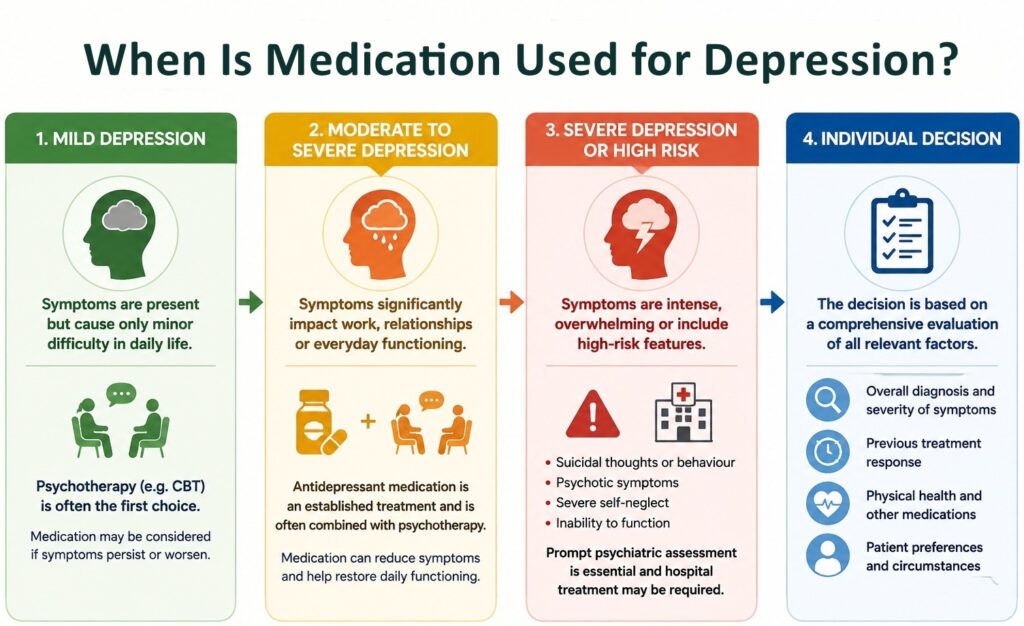
Medication for depression is most commonly used when symptoms are moderate or severe, significantly interfere with work, relationships or everyday functioning, or persist despite psychotherapy. Antidepressants may also be appropriate for recurrent depression or when medication has been effective during previous depressive episodes.
For mild depression, psychotherapy may be sufficient, particularly when everyday functioning remains relatively preserved. For moderate or severe depression, antidepressants are an established treatment and are frequently combined with psychotherapy. Medication may be particularly important when depression causes severe anxiety, sleep or appetite disturbance, loss of energy or substantial impairment in daily activities.
Severe depression associated with suicidal thoughts, psychotic symptoms or severe self-neglect requires prompt psychiatric assessment and may require hospital treatment. The decision to prescribe an antidepressant is therefore based on the overall diagnosis, severity of symptoms, functional impairment, previous treatment response and the patient’s medical circumstances.
What Is the Best Medication for Depression?
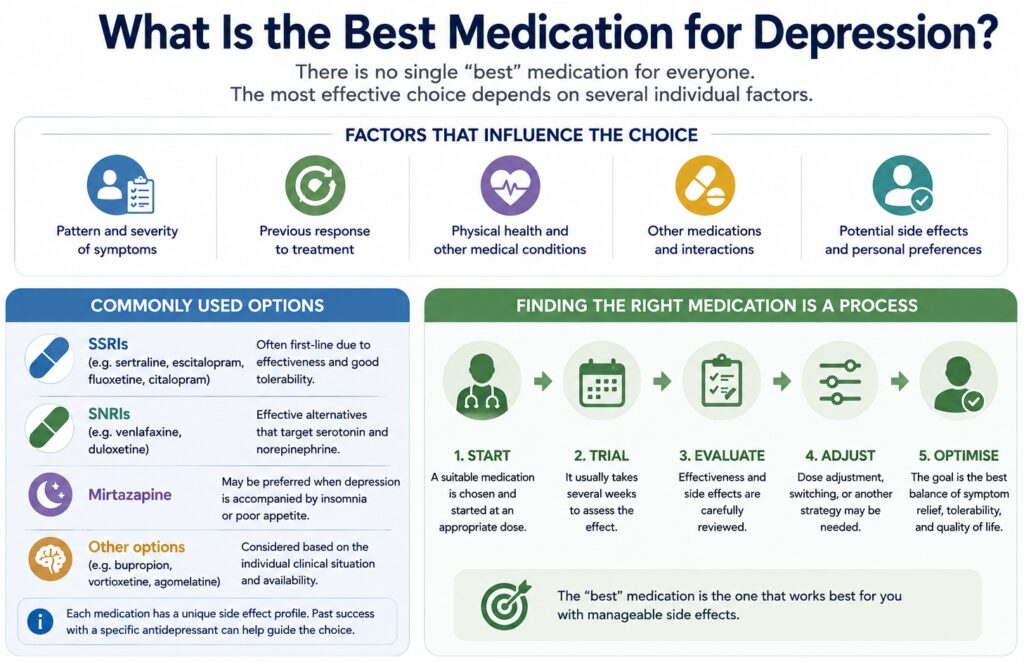
There is no single best medication for depression. The most appropriate antidepressant depends on the pattern and severity of symptoms, previous treatment response, physical health, other medications and potential side effects.
SSRIs, including sertraline, escitalopram, fluoxetine and citalopram, are commonly used as initial treatment because they are effective and generally well tolerated. However, other medications may be more appropriate for some patients. SNRIs, such as venlafaxine and duloxetine, are alternatives, while mirtazapine may be considered when depression is accompanied by pronounced insomnia or reduced appetite. Other options include bupropion, vortioxetine and agomelatine, depending on the individual clinical situation and availability.
Side effects also influence medication selection. Some antidepressants are more likely to cause sedation or weight gain, while others may cause nausea, sexual dysfunction or sleep disturbance. Previous successful treatment with a particular antidepressant can also guide the choice.
If the first antidepressant does not provide sufficient improvement, another medication or treatment strategy can be considered. Choosing the best antidepressant for depression is therefore not about identifying one superior drug but finding the medication that provides the greatest benefit with acceptable side effects for the individual patient.
What Are Antidepressants?
Antidepressants are medications used to treat depression and several other psychiatric conditions. They influence neurotransmitter systems involved in mood, anxiety, motivation and sleep, although their therapeutic effects involve more complex changes in brain function than simply correcting a neurotransmitter deficiency.
The main groups include selective serotonin reuptake inhibitors (SSRIs) and serotonin-noradrenaline reuptake inhibitors (SNRIs). Other groups include tricyclic antidepressants, monoamine oxidase inhibitors and medications with different mechanisms of action. SSRIs are frequently used as first-line medication because they are generally well tolerated and safer than older antidepressants.
Antidepressants do not work immediately. Improvement usually develops gradually over several weeks, and the choice of medication depends on the patient’s symptoms, previous treatment response, physical health, other medications and potential side effects. Treatment usually continues after recovery to reduce the risk of relapse.
How Do Antidepressants Work?
Antidepressants influence the brain’s metabolism through neurotransmitters such as serotonin, norepinephrine, dopamine, and glutamate. Most antidepressants work by increasing the concentration of neurotransmitters in the so-called synaptic space. This happens by preventing the reuptake of neurotransmitters into “transmitter cells” (presynaptic neurons) after they have been released. This is also known as “no re-entry.” The increased concentration of the neurotransmitters exerts a stronger effect on the “receiving cell” (the post-synaptic neuron).
What Are Neurotransmitters?
Neurotransmitters are chemical messengers that allow nerve cells, or neurons, to communicate with one another. They are released from one neuron into the synaptic space and bind to receptors on another neuron, helping transmit signals throughout the brain.
Different neurotransmitters are involved in regulating mood, motivation, energy, sleep, concentration, memory and many other functions that can be affected by depression. Antidepressants influence these signalling systems in different ways. However, their therapeutic effects cannot be explained simply by increasing or decreasing the level of a single neurotransmitter. They involve more complex changes in brain signalling and adaptation that develop gradually during treatment.
The Serotonin Hypothesis
The serotonin hypothesis emerged from research in the 1960s suggesting that altered serotonin activity might be involved in depression. Early studies found differences in serotonin metabolites in some patients with depression, contributing to the theory that depression could result from a deficiency of serotonin in the brain.
This explanation became widely known and is still common in popular descriptions of depression. However, subsequent research has not established that depression is caused by a simple serotonin deficiency. Depression is a complex disorder involving multiple biological, psychological and environmental factors, and several neurotransmitter systems and neural processes may be involved.
Antidepressants that influence serotonin can nevertheless be effective. Their effectiveness does not mean that patients with depression necessarily have abnormally low serotonin levels. Modern research suggests that the therapeutic effects of antidepressants involve broader and more complex changes in brain function that develop over time.
Types of Antidepressants and How They Work
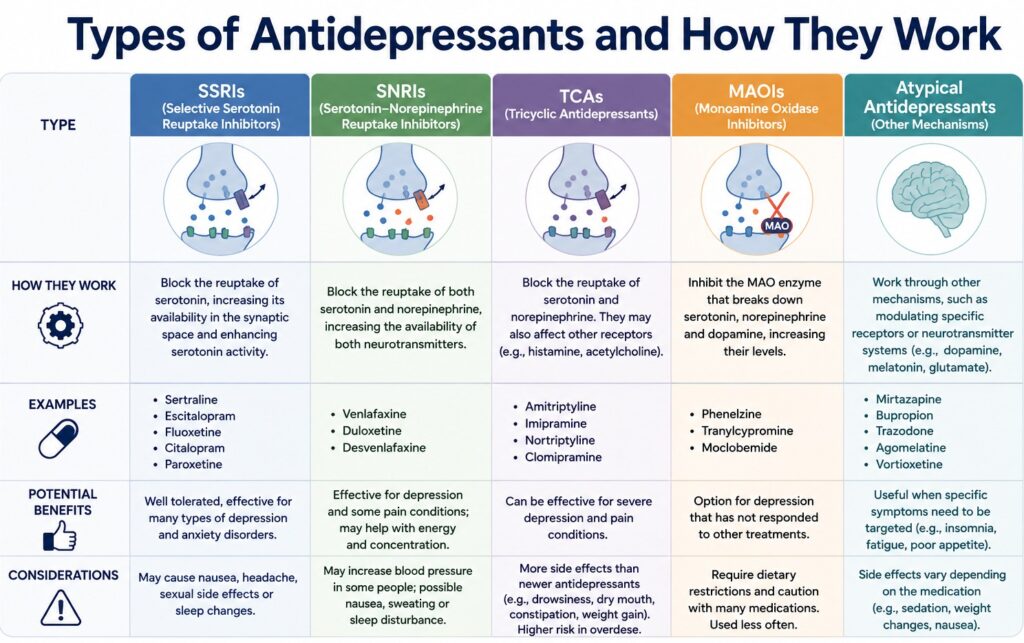
Antidepressants can be divided into several groups according to their mechanism of action. The most commonly prescribed modern antidepressants are Selective Serotonin Reuptake Inhibitors (SSRIs) and Serotonin-Noradrenaline Reuptake Inhibitors (SNRIs). Other groups include tricyclic antidepressants (TCAs), monoamine oxidase inhibitors (MAOIs) and antidepressants with other mechanisms of action.
The different classes influence neurotransmitter signalling in different ways. However, their effectiveness should not be interpreted as evidence that depression is caused simply by low levels of serotonin, noradrenaline or another neurotransmitter. The therapeutic effects of antidepressants involve more complex adaptations in brain function that develop gradually during treatment.
Selective Serotonin Reuptake Inhibitors (SSRIs)
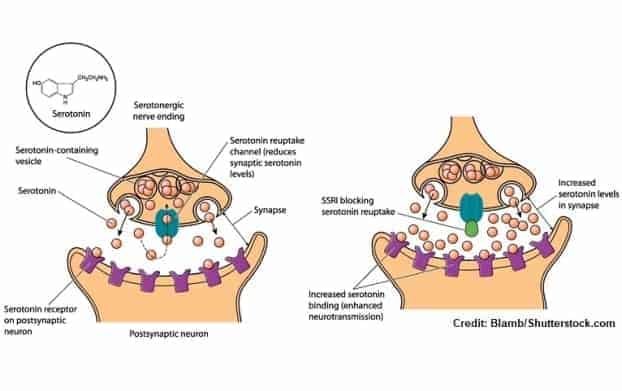
Selective Serotonin Reuptake Inhibitors (SSRIs) are among the most commonly prescribed medications for depression. Examples include sertraline, escitalopram, fluoxetine, citalopram and paroxetine. They are frequently used as first-line antidepressants because they are effective and generally better tolerated and safer in overdose than older antidepressants such as tricyclics.
SSRIs work by blocking the serotonin transporter responsible for taking serotonin back into the presynaptic neuron after it has been released. This process is known as serotonin reuptake. By inhibiting reuptake, SSRIs increase the availability of serotonin within the synaptic space and alter serotonergic signalling between nerve cells.
Although this pharmacological action begins relatively quickly, the antidepressant effect develops more gradually. This indicates that the therapeutic action of SSRIs involves additional adaptations in neuronal signalling and brain networks rather than simply an immediate increase in serotonin. Improvement in depression therefore usually develops over several weeks.
SSRIs are also used for several other psychiatric conditions, including anxiety disorders, panic disorder and obsessive-compulsive disorder. Individual SSRIs differ in their pharmacological properties, interactions and side-effect profiles, so the choice of medication should be adapted to the individual patient.
Serotonin-Noradrenaline Reuptake Inhibitors (SNRIs)
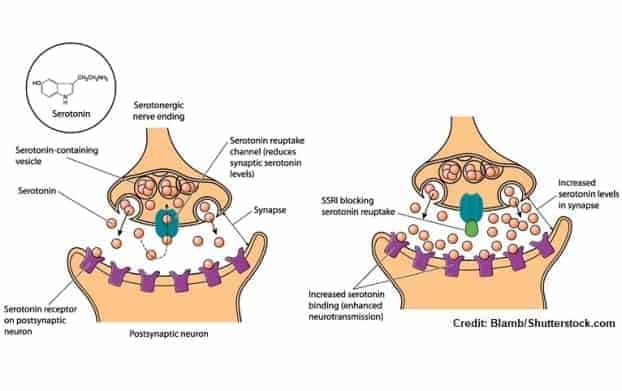
Serotonin-Noradrenaline Reuptake Inhibitors (SNRIs) influence both serotonin and noradrenaline signalling. Common examples include venlafaxine, duloxetine and desvenlafaxine. Like SSRIs, they are widely used in the treatment of depression and certain anxiety disorders.
SNRIs inhibit the reuptake of serotonin and noradrenaline, increasing the availability of both neurotransmitters in the synaptic space. Serotonin and noradrenaline are involved in multiple brain functions relevant to depression, including mood, anxiety, attention, motivation, sleep and responses to stress. However, this does not mean that depression is simply caused by a deficiency of either neurotransmitter.
SSRIs and SNRIs are both effective treatments for depression, and neither group is consistently superior for every patient. The choice depends on the pattern of symptoms, previous treatment response, physical health, other medications and potential side effects. In clinical practice, a patient may need to try more than one antidepressant before finding the medication and dose that provide the best balance between effectiveness and tolerability.
Tricyclic Antidepressants (TCAs)
Tricyclic antidepressants (TCAs) are among the oldest medications used for the treatment of depression. This group includes imipramine, nortriptyline, amitriptyline, doxepin, trimipramine and desipramine. They primarily influence serotonin and noradrenaline neurotransmission and can be highly effective in treating depressive symptoms.
Today, tricyclic antidepressants are generally used less often as first-line treatment because they tend to cause more side effects than newer antidepressants such as SSRIs and SNRIs. Depending on the medication, these may include dry mouth, constipation, sedation, blurred vision, dizziness, weight gain and cardiovascular effects. They can also be dangerous in overdose, which is an important consideration when prescribing them.
Despite these disadvantages, tricyclic antidepressants remain valuable treatment options. They may be considered when depression has not responded sufficiently to newer antidepressants or when the patient’s previous treatment history suggests that a tricyclic may be particularly effective.
Monoamine Oxidase Inhibitors (MAO)
Monoamine oxidase inhibitors (MAOIs) are effective antidepressants that are generally reserved for patients whose depression has not responded sufficiently to other treatments. Examples include tranylcypromine, phenelzine and isocarboxazid. MAOIs inhibit monoamine oxidase, an enzyme involved in breaking down neurotransmitters such as serotonin, noradrenaline and dopamine, thereby increasing their availability in the brain.
MAO inhibitors can be divided into irreversible and reversible inhibitors and according to their effects on MAO-A and MAO-B. Traditional irreversible MAOIs require particular caution because they interact with foods containing high levels of tyramine, especially certain aged, fermented or cured foods. Such interactions can cause a dangerous rise in blood pressure. Patients taking these medications therefore need specific dietary instructions. Reversible MAO-A inhibitors, such as moclobemide, generally have fewer dietary restrictions.
Selegiline primarily inhibits MAO-B at lower doses and is widely used in Parkinson’s disease. A transdermal formulation is also approved for the treatment of major depressive disorder in some countries. At antidepressant doses, its pharmacological effects are not limited exclusively to MAO-B.
MAOIs can cause serious interactions with other medications. Combining them with serotonergic antidepressants can result in potentially life-threatening serotonin syndrome, while interactions with certain sympathomimetic substances can cause severe hypertension. For this reason, switching between MAOIs and other antidepressants requires an appropriate washout period, the duration of which depends on the medications involved.
Other possible side effects include dizziness, orthostatic hypotension, sleep disturbance, dry mouth, gastrointestinal symptoms and sexual dysfunction. Because of their interactions and dietary requirements, traditional MAOIs require careful prescribing, patient education and psychiatric monitoring.
Atypical Antidepressants
The term atypical antidepressants refers to a diverse group of medications that do not fit neatly into the major antidepressant classes such as SSRIs, SNRIs or tricyclic antidepressants. They act through different neurotransmitter systems and have distinct effects, side-effect profiles and clinical uses.
Examples include bupropion, mirtazapine, trazodone, vortioxetine and agomelatine. Because these medications work differently, they may be considered when an SSRI or SNRI has not been sufficiently effective, has caused troublesome side effects, or when a particular medication profile better matches the patient’s symptoms.
For example, mirtazapine may be useful when depression is accompanied by insomnia or reduced appetite, although it can cause increased appetite and weight gain. Bupropion has a different mechanism involving dopamine and noradrenaline and generally causes fewer sexual side effects than serotonergic antidepressants. Vortioxetine acts on several serotonin receptors in addition to inhibiting serotonin reuptake and may be considered when cognitive symptoms such as difficulties with concentration are prominent.
There is therefore no single atypical antidepressant that is best for every patient. The choice depends on the pattern of depressive symptoms, previous treatment response, potential side effects, physical health, other medications and individual treatment goals.
How Are Antidepressants Chosen?
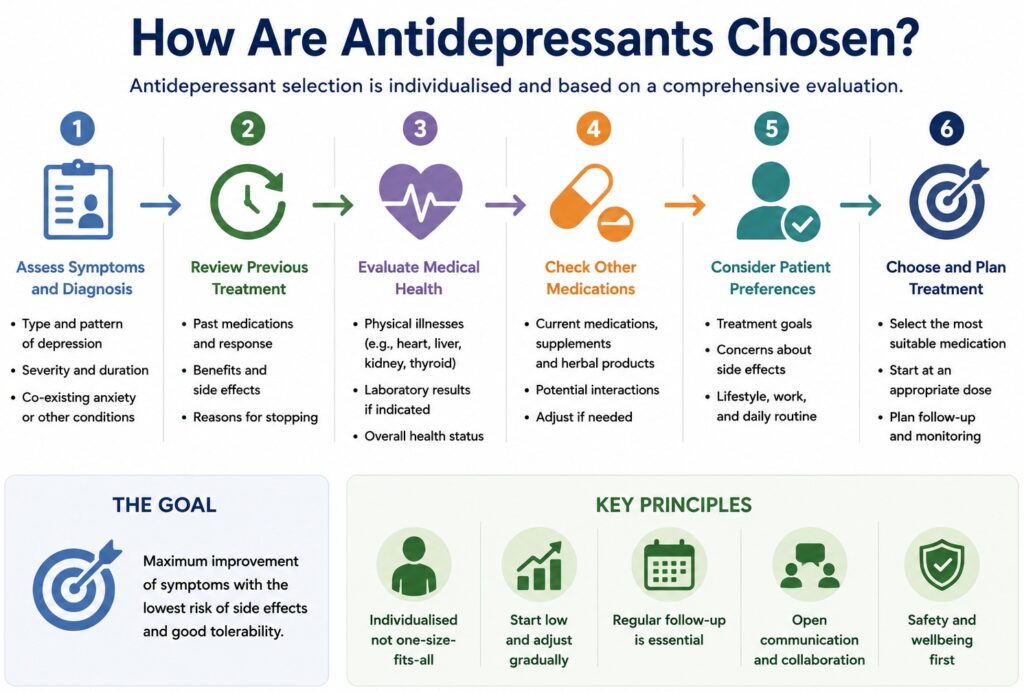
Choosing an antidepressant is an individual clinical decision because there is no single medication that is best for every person with depression. The psychiatrist considers the type and severity of depressive symptoms, previous response to medication, other psychiatric and medical conditions, current medications and the patient’s preferences.
The pattern of symptoms can also influence the choice. For example, pronounced anxiety, insomnia, excessive sleep, fatigue, reduced appetite or problems with concentration may make one antidepressant more suitable than another. Previous treatment experience is particularly valuable: if a patient responded well to a certain antidepressant during an earlier depressive episode and tolerated it without significant side effects, using the same medication again may be reasonable.
Physical health and potential side effects are equally important when choosing medication for depression. Cardiovascular disease, liver or kidney impairment, epilepsy, pregnancy, older age and interactions with other medications can affect which antidepressants can be used safely. Some antidepressants are more likely to cause sedation or weight gain, while others may be associated with nausea, sexual dysfunction, insomnia or increased anxiety during the early phase of treatment.
In patients with pronounced anxiety, agitation or insomnia, additional short-term medication may occasionally be used while waiting for the antidepressant to become effective. The overall aim is to select an antidepressant that provides sufficient improvement while causing as few troublesome side effects as possible.
How Long Do Antidepressants Take to Work?
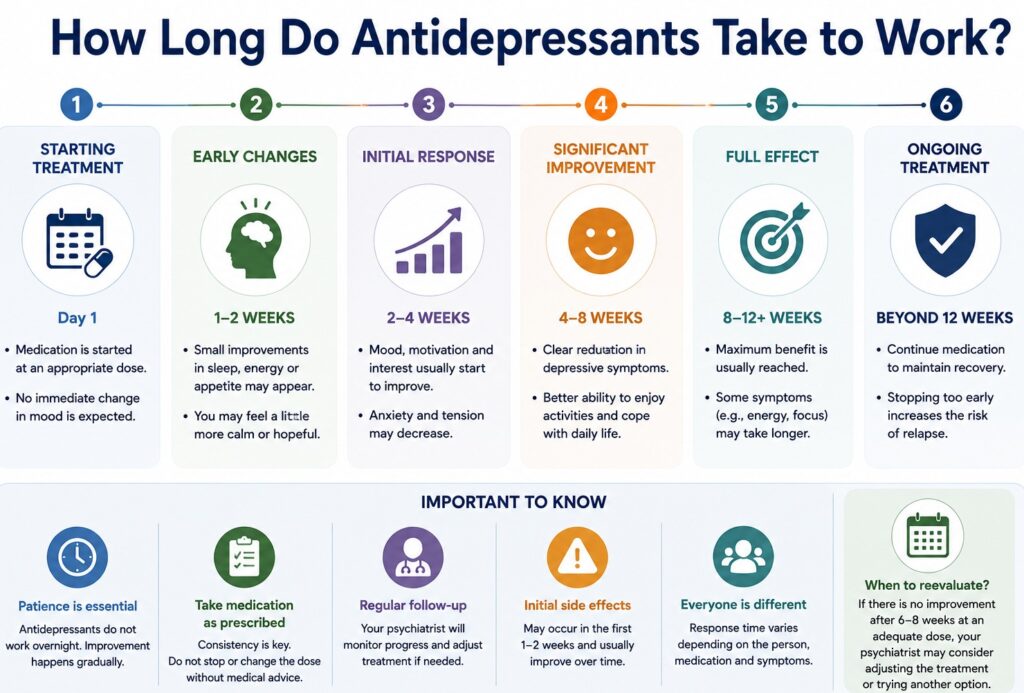
Antidepressants do not produce their full therapeutic effect immediately. Although pharmacological changes begin soon after treatment starts, improvement in depression usually develops gradually. Some patients first notice changes in sleep, anxiety, appetite or energy, while improvement in depressed mood, motivation, concentration and the ability to experience pleasure may take longer. The response to an antidepressant should therefore be evaluated over several weeks rather than after only a few days.
The absence of immediate improvement does not mean that the antidepressant is ineffective. Before changing treatment, the psychiatrist should determine whether the medication has been taken regularly, whether an adequate dose has been reached and whether sufficient time has been allowed to assess the response. Patients should also be monitored during the early treatment phase because anxiety, agitation or sleep disturbance can temporarily increase in some people after starting an antidepressant or increasing its dose.
Treatment Duration and How to Stop Antidepressants
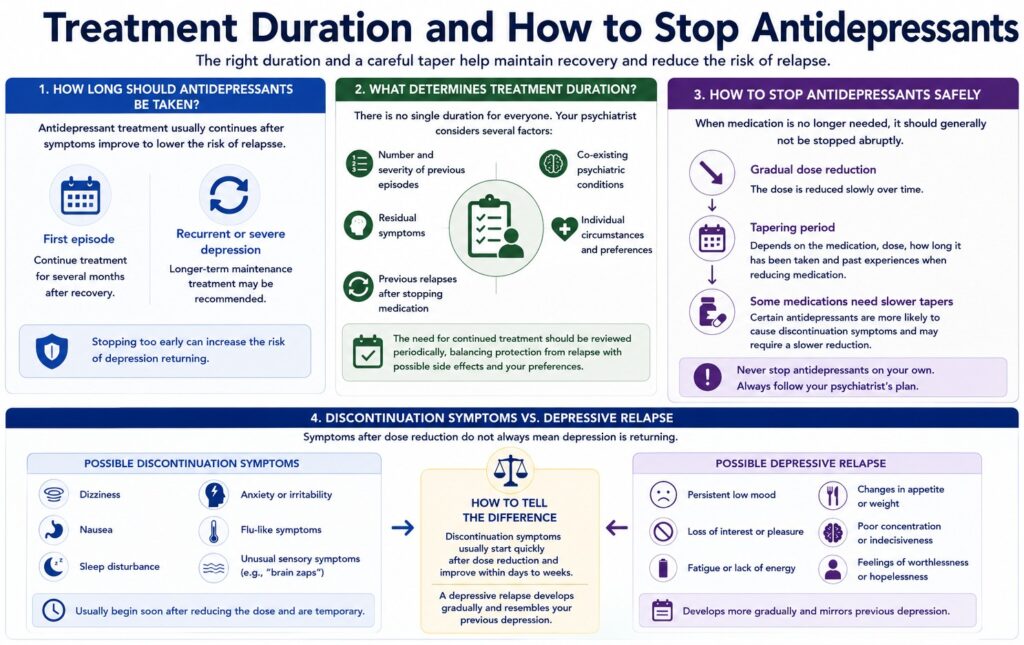
Antidepressant treatment usually continues after the symptoms of depression have improved because stopping medication too early can increase the risk of relapse. The duration depends on the individual course of the illness. After recovery from a first depressive episode, antidepressants are commonly continued for several months, while patients with recurrent depression, severe previous episodes or a higher risk of relapse may require longer-term maintenance treatment.
There is no single treatment duration that applies to every patient. The psychiatrist considers the number and severity of previous depressive episodes, residual symptoms, previous relapses after stopping medication, co-existing psychiatric conditions and the patient’s individual circumstances. The need for continued treatment should be reviewed periodically, balancing protection against another depressive episode with possible side effects and the patient’s preferences.
When antidepressant treatment is no longer necessary, the medication should generally not be stopped abruptly. Instead, the dose is gradually reduced. The appropriate tapering period depends on the antidepressant, the dose, how long it has been taken and whether the patient has previously experienced difficulties when reducing medication. Some antidepressants are more likely to cause discontinuation symptoms and may require a slower taper.
Symptoms occurring after a dose reduction do not necessarily mean that depression has returned. Dizziness, nausea, sleep disturbance, anxiety or unusual sensory symptoms appearing soon after reducing medication may indicate antidepressant discontinuation symptoms, whereas a depressive relapse usually resembles the patient’s previous depressive symptoms. Because distinguishing between discontinuation and relapse can sometimes be difficult, reducing or stopping antidepressants should be planned together with the treating psychiatrist.
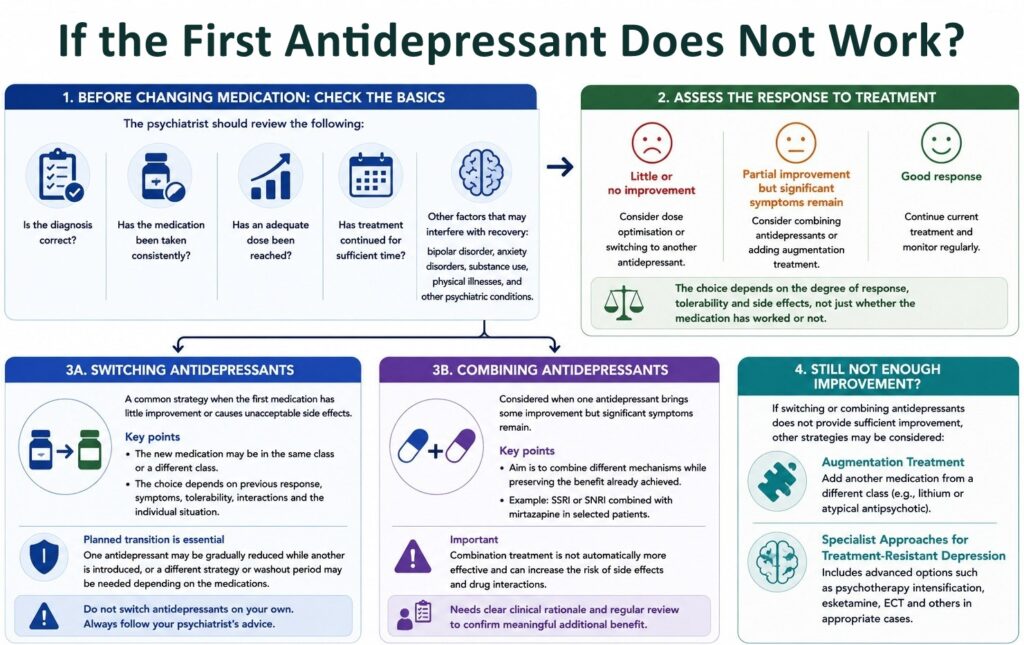
If the First Antidepressant Does Not Work?
An inadequate response to the first antidepressant does not mean that depression cannot be successfully treated. Before changing medication, the psychiatrist should determine whether the diagnosis is correct, whether the antidepressant has been taken consistently, whether an adequate dose has been reached and whether treatment has continued for sufficient time. Other factors that may interfere with recovery should also be considered, including bipolar disorder, anxiety disorders, substance use, physical illnesses and other psychiatric conditions.
If an adequate antidepressant trial produces little or no improvement, the dose may be optimised when appropriate or the patient may be switched to another antidepressant. When there has been a meaningful but incomplete response, combining antidepressants or adding an augmentation medication may be considered. The choice therefore depends not only on whether the treatment has worked, but also on the degree of response, tolerability and side effects.
Switching Antidepressants
Switching to another antidepressant is a common strategy when the first medication has produced little improvement or causes unacceptable side effects. The new medication may belong to the same antidepressant class or have a different mechanism of action. The choice depends on previous treatment response, symptoms, tolerability, possible interactions and the individual clinical situation.
The transition between antidepressants must be planned carefully. Depending on the medications involved, one antidepressant may be gradually reduced while another is introduced, while some medications require a different switching strategy or a washout period. Patients should therefore not switch antidepressants on their own.
Combining Antidepressants
Combining two antidepressants may be considered when one medication has produced some improvement but significant depressive symptoms remain. The aim is to combine different pharmacological mechanisms while preserving the benefit already achieved. In selected patients, for example, an SSRI or SNRI may be combined with another antidepressant such as mirtazapine.
Combination treatment is not automatically more effective and can increase the risk of side effects and drug interactions. It should therefore have a clear clinical rationale and be regularly reviewed to determine whether the additional medication provides a meaningful benefit.
If switching or combining antidepressants does not provide sufficient improvement, other strategies may include augmentation treatment or specialist approaches for treatment-resistant depression.
Benefits and Risks of Antidepressants
Antidepressants can significantly reduce the symptoms of depression, including persistent low mood, loss of interest, anxiety, reduced motivation, sleep disturbances and difficulty concentrating. As symptoms improve, patients may find it easier to return to work, maintain relationships and participate in everyday activities. In moderate to severe depression, medication is often an important part of treatment and may be combined with psychotherapy.
The effects of antidepressants develop gradually. Some symptoms, such as sleep, anxiety or energy levels, may begin to improve earlier, while a clear improvement in mood often takes several weeks. The response varies between individuals and depends on the type of depression, the medication used, the dose and other clinical factors.
Like all medications, antidepressants can cause side effects. These differ between drug classes and individual medications and may include nausea, gastrointestinal symptoms, headaches, sleep disturbances, increased sweating, sexual dysfunction or changes in appetite and weight. Some side effects are most noticeable during the first weeks of treatment and may diminish as the body adjusts to the medication.
Antidepressants are not considered addictive in the way that alcohol, benzodiazepines or addictive drugs are. However, stopping certain antidepressants suddenly can cause discontinuation symptoms. For this reason, treatment should usually be reduced gradually under medical supervision.
The decision to prescribe an antidepressant therefore involves balancing the expected benefits against potential side effects and other individual risks. The psychiatrist considers the patient’s symptoms, previous treatment response, physical health, other medications and personal preferences when selecting and monitoring treatment.
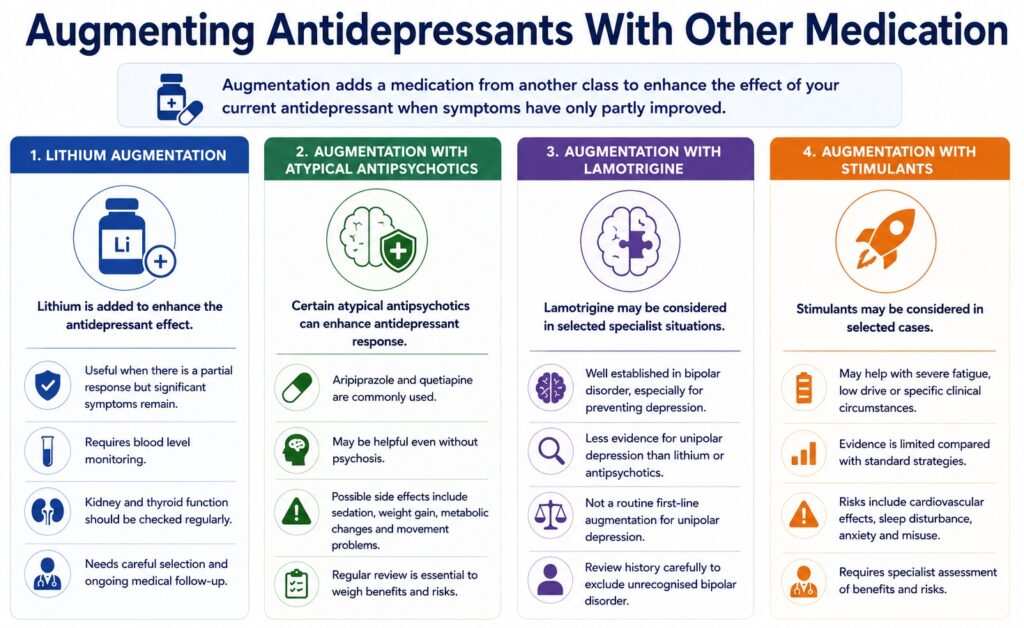
Augmenting Antidepressants With Other Medication
Augmentation treatment differs from combining two antidepressants. Instead of adding another antidepressant, a medication from another pharmacological group is added to enhance the effect of the existing antidepressant. This approach can be particularly useful when the original medication has produced a partial response but clinically significant depressive symptoms remain. In such situations, augmentation may allow the benefit already achieved with the antidepressant to be maintained while attempting to obtain further improvement.
Established augmentation strategies include lithium and certain atypical antipsychotics, particularly aripiprazole and quetiapine. The appropriate choice depends on the patient’s symptoms, previous treatments, physical health and potential side effects. Because augmentation introduces an additional medication and therefore additional risks, treatment should be regularly reviewed to determine whether the clinical benefit justifies continued use.
Lithium Augmentation
Lithium has been used for many years as an augmentation treatment when depression has responded inadequately to antidepressants. Rather than replacing the antidepressant, lithium is added to the existing treatment in an attempt to enhance its effect. It may be considered particularly in patients who have obtained some benefit from an antidepressant but continue to experience clinically significant depressive symptoms.
Lithium requires more medical monitoring than most antidepressants. Blood concentrations need to be measured, and kidney and thyroid function should be monitored during treatment. The appropriate dose and blood level depend on factors such as age, physical health, other medications and tolerability. Lithium augmentation therefore requires careful patient selection and regular psychiatric and medical follow-up.
Augmentation With Atypical Antipsychotics
Certain atypical antipsychotics can be used to augment antidepressant treatment even when the patient does not have a psychotic disorder. Aripiprazole and quetiapine are among the medications used in this way for difficult-to-treat depression. Antipsychotic medication can also have a specific role when severe depression is accompanied by psychotic symptoms.
The potential benefits need to be weighed against possible adverse effects. Depending on the medication, these may include sedation, weight gain, metabolic changes, movement-related symptoms or other side effects. Antipsychotic augmentation should therefore be monitored and periodically reassessed rather than automatically continued indefinitely.
Augmentation with Lamotrigine
Lamotrigine has an established role in the treatment of bipolar disorder, particularly in preventing depressive episodes, but its role as an augmentation treatment for treatment-resistant unipolar depression is less well established than that of lithium or certain atypical antipsychotics. It may be considered in selected specialist situations, but it should not be regarded as a routine first-line augmentation strategy for unipolar depression.
The distinction is clinically important because patients with recurrent depressive episodes may sometimes have an unrecognised bipolar disorder. Before using mood-stabilising medication in someone considered to have recurrent unipolar depression, the psychiatrist should therefore review the patient’s history for previous episodes of elevated or unusually irritable mood, increased energy, reduced need for sleep and other features suggesting bipolar disorder.
Augmentation With Stimulants
Stimulants such as methylphenidate have occasionally been investigated or used as adjunctive treatment in selected patients with difficult-to-treat depression, particularly when severe fatigue, reduced drive or other specific clinical circumstances are present. However, the evidence supporting their routine use is considerably less established than for standard augmentation strategies.
Stimulants are therefore not considered routine augmentation treatment for depression. Their use requires specialist assessment of the potential benefits and risks, including cardiovascular effects, sleep disturbance, anxiety and the possibility of misuse.
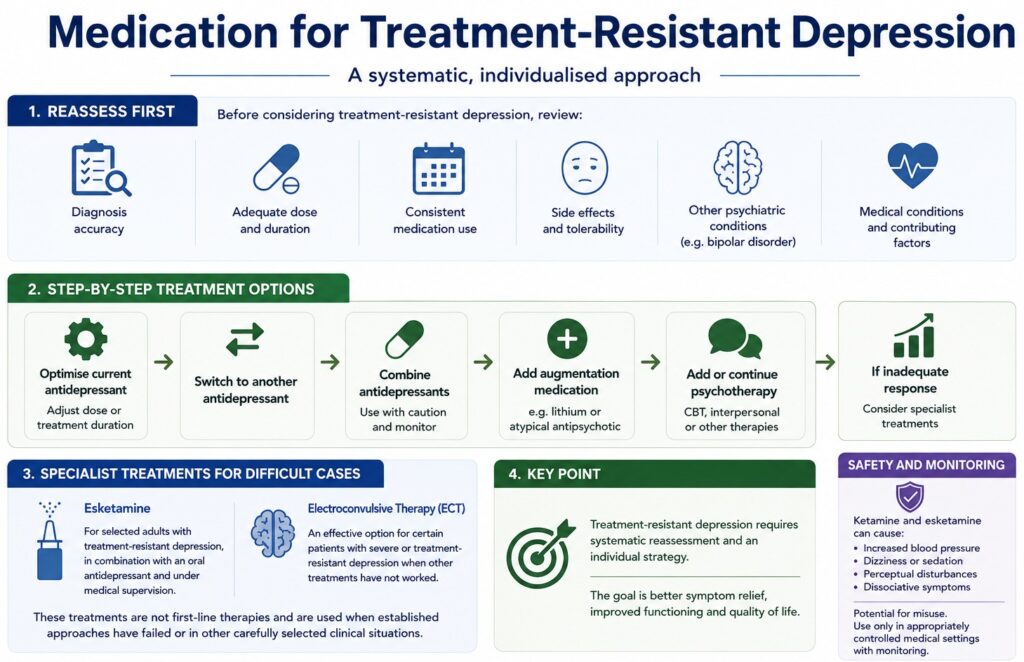
Medication for Treatment-Resistant Depression
Treatment-resistant depression generally refers to depression that has not improved sufficiently despite adequate antidepressant treatment. However, before a patient is considered treatment-resistant, the psychiatrist should systematically reassess the diagnosis and previous treatment. Apparent resistance may result from an inadequate dose, insufficient treatment duration, inconsistent medication use, intolerable side effects or another psychiatric or medical condition that has not been recognised. Bipolar disorder is particularly important to exclude in patients with recurrent depressive episodes that repeatedly fail to respond as expected to antidepressants.
Once these factors have been addressed, treatment can proceed step by step. Options may include optimising the current antidepressant, switching to another antidepressant, combining antidepressants or adding an augmentation medication such as lithium or an appropriate atypical antipsychotic. Psychotherapy should also be initiated or continued when clinically appropriate. More difficult cases may require specialist treatments beyond conventional antidepressants, including esketamine or electroconvulsive therapy (ECT) in appropriately selected patients. Treatment-resistant depression therefore requires systematic reassessment and an individual treatment strategy rather than repeated medication changes without a clear rationale.
Ketamine and Esketamine
Ketamine and esketamine represent a different pharmacological approach from conventional antidepressants because their therapeutic effects involve the glutamatergic system rather than acting primarily through serotonin or noradrenaline pathways. They have attracted particular interest because antidepressant effects can occur more rapidly than with conventional antidepressants in some patients.
Esketamine is used in selected adults with treatment-resistant depression in some healthcare systems, generally in combination with an oral antidepressant and under medical supervision. Ketamine is also used for depression in specialised settings, although its regulatory status and approved indications vary according to the country, formulation and method of administration. These treatments are not routine first-line therapies for uncomplicated depression and are generally considered when established treatment approaches have failed or in other carefully selected clinical circumstances.
Ketamine-based treatments require monitoring because they can cause transient increases in blood pressure, dizziness, sedation, perceptual disturbances and dissociative symptoms. The potential for misuse is another reason why these medications should be administered within an appropriately controlled medical setting.
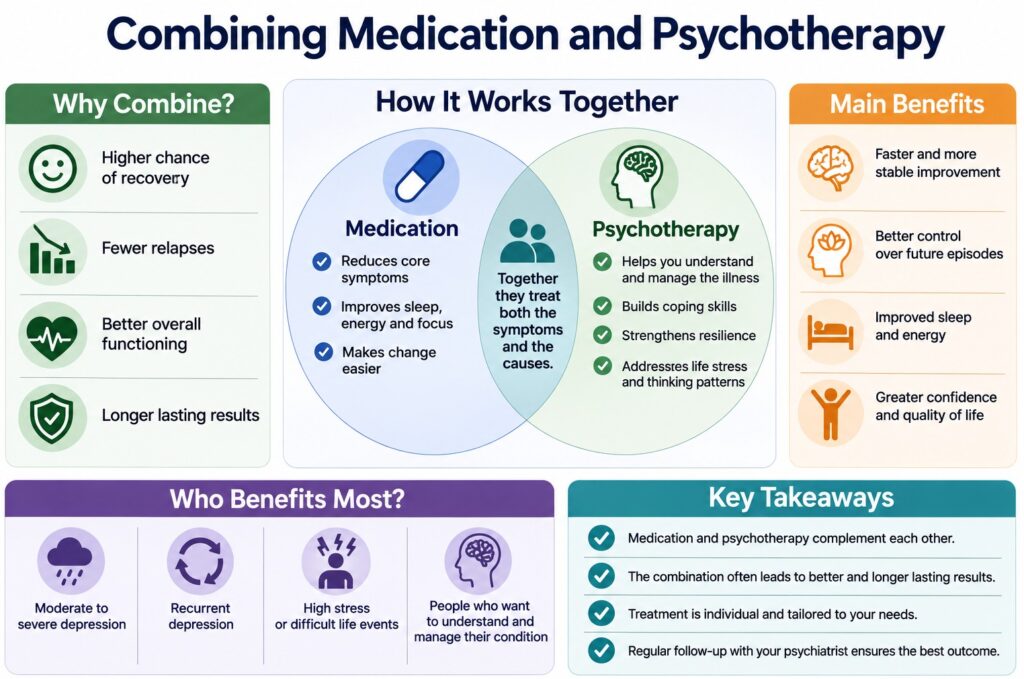
Combining Medication and Psychotherapy
Medication and psychotherapy address different aspects of depression and are frequently used together. Antidepressants can reduce symptoms such as depressed mood, anxiety, sleep disturbance, lack of energy and impaired concentration. As these symptoms improve, patients may find it easier to participate actively in psychotherapy, maintain regular appointments and make changes in their everyday lives.
Psychotherapy addresses difficulties that medication alone cannot resolve, including emotional conflicts, negative patterns of thinking and behaviour, relationship problems, unresolved loss, stressful life circumstances and psychological vulnerabilities associated with recurrent depression. Combined treatment may therefore be particularly appropriate for moderate or severe depression, recurrent episodes, persistent depression or situations in which either medication or psychotherapy alone has produced only partial improvement. The objective is not simply to suppress symptoms but to achieve recovery, restore everyday functioning and reduce the risk of future depressive episodes.
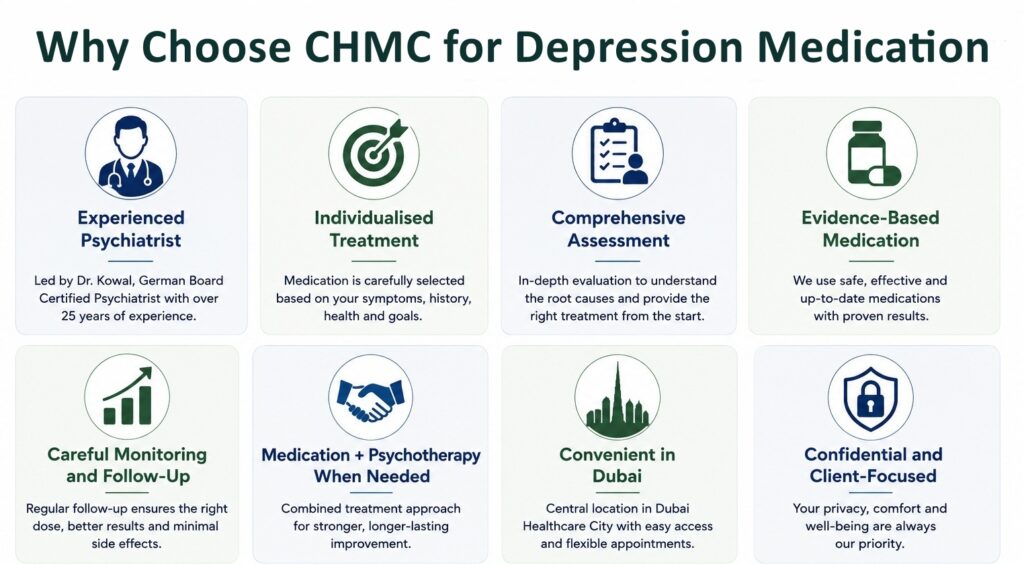
Why Choose CHMC for Depression Medication in Dubai?
At CHMC Dubai, medication for depression is prescribed following a comprehensive psychiatric assessment rather than using the same treatment approach for every patient. The psychiatrist evaluates the type and severity of depressive symptoms, previous episodes and treatment response, physical health, current medications and potential side effects. Particular attention is given to distinguishing unipolar depression from bipolar disorder and identifying psychiatric or medical conditions that may influence the choice of medication.
When antidepressant treatment is indicated, the medication and dose are selected individually and adjusted according to response and tolerability. Regular psychiatric follow-up allows the effectiveness of treatment and possible side effects to be monitored. If improvement is insufficient, the diagnosis and treatment are reassessed before considering dose optimisation, switching antidepressants, combination treatment or augmentation. When appropriate, medication is combined with psychotherapy provided by CHMC psychologists. This integrated approach aims to achieve remission with as few side effects as possible, restore everyday functioning and reduce the risk of relapse.
FAQs About Medication for Depression
What medication is used for depression?
The main medications used to treat depression are antidepressants. The most commonly prescribed groups include selective serotonin reuptake inhibitors (SSRIs), serotonin-noradrenaline reuptake inhibitors (SNRIs) and antidepressants with other mechanisms of action. Older medications, such as tricyclic antidepressants and monoamine oxidase inhibitors, are still used in selected situations. The choice depends on the type and severity of symptoms, previous treatment response, physical health, other medications and potential side effects.
What is the best medication for depression?
There is no single best medication for depression. An antidepressant that works well for one patient may be less effective or cause troublesome side effects in another. SSRIs are frequently used as initial treatment because they are effective and generally well tolerated, but SNRIs and other antidepressants may be more appropriate for some patients. The psychiatrist chooses medication according to the individual pattern of symptoms, previous treatment, medical history and expected side effects.
Are antidepressants necessary for everyone with depression?
No. Antidepressants are not necessary for every person with depression. Psychotherapy and other psychological interventions may be sufficient for some patients with mild depression. Medication is more commonly considered when depression is moderate or severe, significantly affects everyday functioning, persists despite psychotherapy or repeatedly returns. The decision should be based on an assessment of the individual patient rather than simply on the diagnosis of depression.
Can depression be treated without medication?
Yes, some forms of depression can be treated without medication. Psychotherapy can be an effective treatment, particularly for mild depression. Regular physical activity, stable sleep patterns and other behavioural changes can also support recovery. However, when depression is moderate or severe and substantially affects sleep, motivation, concentration, work or everyday functioning, medication may become an important part of treatment. Severe depression requires psychiatric assessment to determine the safest and most effective approach.
How do antidepressants work?
Antidepressants influence neurotransmitter systems and more complex processes involved in the regulation of mood, anxiety, motivation, sleep and other functions affected by depression. Different antidepressant classes act through different pharmacological mechanisms. Depression, however, cannot be explained simply as a lack of serotonin or another single neurotransmitter. The therapeutic effects of antidepressants involve gradual adaptations in brain function, which helps explain why improvement usually takes several weeks.
How long do antidepressants take to work?
Antidepressants do not work immediately. Some patients first notice improvements in sleep, anxiety, appetite or energy, while depressed mood, motivation, concentration and the ability to experience pleasure may improve more gradually. A meaningful response is generally assessed over several weeks. A medication should therefore not be considered ineffective after only a few days, provided it is tolerated and there is no clinical reason to change treatment earlier.
What are the most common side effects of antidepressants?
The side effects depend on the particular antidepressant. They may include nausea, gastrointestinal problems, headache, sleep disturbance, sedation, increased sweating, changes in appetite or weight and sexual dysfunction. Some side effects are most noticeable during the first weeks and diminish with continued treatment, while others may persist. Careful medication selection and gradual dose adjustment can reduce the likelihood or severity of side effects, but they cannot always be completely prevented.
Can antidepressants cause weight gain?
Weight gain can occur with some antidepressants, although the risk differs considerably between medications and patients. Changes in appetite, activity and improvement from depression itself can also affect body weight. If significant weight gain develops, the medication should not simply be stopped. The psychiatrist can evaluate whether changing the dose, addressing contributing factors or switching to another antidepressant would be appropriate.
Do antidepressants make you feel numb or like a “zombie”?
Antidepressants should not normally make a patient feel like a “zombie.” The aim of treatment is to restore normal mood, energy, motivation and functioning rather than suppress emotions. However, some patients experience sedation or emotional blunting with certain medications. If this occurs, the psychiatrist can assess whether it is related to the medication, the dose or the underlying depression and adjust treatment when appropriate.
Are antidepressants addictive?
Antidepressants are not addictive. They do not typically produce intoxication, craving or compulsive drug-seeking behaviour. However, the body can adapt to an antidepressant during treatment, and stopping certain medications abruptly can cause discontinuation symptoms. Physical adaptation and discontinuation symptoms are not the same as addiction.
What happens if I suddenly stop taking antidepressants?
Abruptly stopping an antidepressant can cause discontinuation symptoms, particularly with certain medications. Symptoms may include dizziness, nausea, anxiety, irritability, sleep disturbance, flu-like sensations or unusual sensory symptoms. Stopping medication too early may also increase the risk that depression will return. Antidepressants should therefore usually be reduced gradually according to an individual tapering plan agreed with the treating psychiatrist.
How long should I take antidepressants?
Antidepressant treatment generally continues after the symptoms of depression have resolved because stopping medication too early can increase the risk of relapse. The appropriate duration depends on the severity of the episode, the number of previous depressive episodes, residual symptoms and the patient’s risk of recurrence. Someone recovering from a first episode may require treatment for several months after remission, while recurrent or severe depression may require substantially longer maintenance treatment.
What should I do if my antidepressant does not work?
If an antidepressant does not produce sufficient improvement, the first step is to determine whether it has been taken consistently, at an appropriate dose and for an adequate period. The psychiatrist should also reconsider the diagnosis and possible factors interfering with recovery. Depending on the findings, treatment may involve adjusting the dose, switching antidepressants, combining medications, adding augmentation treatment or strengthening psychotherapy. Failure of one antidepressant does not mean that depression cannot be treated.
Can I switch from one antidepressant to another?
Switching antidepressants is common when the first medication is ineffective or produces unacceptable side effects. Depending on the medications involved, the first antidepressant may be gradually reduced while the new medication is introduced, or a different switching strategy may be necessary. Because some antidepressants can interact with one another, switching should be planned by a psychiatrist rather than attempted independently.
Can two antidepressants be taken together?
Two antidepressants can be combined in selected patients, particularly when treatment with one medication has produced an incomplete response. Combining medications with different pharmacological properties may provide additional benefit, but it can also increase side effects and the risk of interactions. Combination treatment is therefore not routinely necessary for everyone with depression and should be undertaken under psychiatric supervision.
What is augmentation treatment for depression?
Augmentation treatment means adding a medication that is not primarily being used as another antidepressant to enhance the effect of the existing antidepressant. This strategy may be considered when the antidepressant has produced some improvement but significant symptoms remain. Established augmentation approaches include lithium and certain atypical antipsychotics, such as aripiprazole or quetiapine. The choice depends on the individual clinical situation and requires appropriate monitoring.
What medication is used for treatment-resistant depression?
Treatment-resistant depression requires a systematic reassessment before increasingly complex medication strategies are introduced. Treatment may involve switching antidepressants, combining antidepressants or augmentation with medications such as lithium or selected atypical antipsychotics. In appropriately selected patients, specialist treatments such as esketamine may also be considered. The diagnosis should also be reviewed, particularly to exclude bipolar disorder and other conditions that may contribute to an inadequate treatment response.
Are ketamine and esketamine used to treat depression?
Ketamine and Esketamine can be used in selected patients with difficult-to-treat or treatment-resistant depression. They work differently from conventional antidepressants and can produce a relatively rapid antidepressant effect in some patients. Esketamine is administered under medical supervision in healthcare settings where it is approved and available. Ketamine-based treatment is not generally a first-line treatment for uncomplicated depression and requires specialist assessment and monitoring.
Is medication or psychotherapy better for depression?
Neither treatment is universally better. Psychotherapy may be sufficient for some people with mild depression, while antidepressant medication becomes increasingly important when symptoms are moderate, severe, persistent or recurrent. For many patients, combining antidepressant medication with psychotherapy can be particularly useful because medication reduces depressive symptoms while psychotherapy addresses psychological, behavioural and interpersonal factors associated with the illness.
Can I get antidepressants in Dubai?
Antidepressants are available in Dubai, but they are prescription medications and should be prescribed following an appropriate medical assessment. Patients who move to Dubai while already taking an antidepressant should arrange psychiatric follow-up so that the diagnosis, current medication, dose and ongoing treatment can be reviewed. At CHMC Dubai, psychiatrists provide assessment, antidepressant treatment and ongoing medication management for adolescents from the age of 16 and adults with depression.