

At CHMC Dubai, we provide comprehensive, evidence-based treatment for depression tailored to each patient’s needs. Our approach combines medical expertise with compassionate care to help individuals regain emotional balance, improve daily functioning, and prevent relapse.
Dr. Gregor Kowal, a German-Board Certified Consultant in Psychiatry and Psychotherapy, leads our depression treatment program. Having graduated from the prestigious University of Heidelberg, Germany, Dr. Kowal has served as Head of Department and Medical Director in leading psychiatric hospitals across Germany. His extensive clinical experience covers a wide range of mental health conditions, with a strong focus on depressive disorders.
Our treatment for depression at CHMC in Dubai is designed to address both the psychological and physical aspects of the condition. We use a combination of psychotherapy, medication, and lifestyle interventions, ensuring each treatment plan is adapted to the severity of symptoms and the individual’s circumstances.
For Treatment of Depression in Dubai Schedule an Appointment with Dr. Kowal
What Is Depression?
Depression is more than occasional sadness. It is a mental illness that can present with many different symptoms. A persistently low mood, reduced drive and slowed thinking, loss of interest, and various physical complaints like insomnia and loss of appetite can be signs of depression.
Depression can hit anyone despite gender, race, and culture. Most people affected by depression experience suicidal thoughts at some point. Around 10 to 15 percent of patients with recurrent, severe depressive episodes die by suicide.
The causes of depression vary from person to person. Depression might be triggered by multiple factors such as genetics, early childhood experiences, family circumstances, and environmental influences.
In the past, psychiatrists attempted to classify depression based on internal factors, called “endogenous” or genetic, and external factors, called “exogenous” or environmental. However, because depression has a multifactorial origin, this approach was ineffective.
Today, diagnostic manuals focus instead on the symptoms of depression, their severity, and the frequency of episodes, categorizing the illness as mild, moderate, or severe.
Assessing Symptoms of Depression
In Dubai, depression affects many individuals, leading to emotional distress, exhaustion, and withdrawal from daily activities. Identifying symptoms early can make all the difference, as it allows people to seek professional help before the condition worsens.
When left untreated, depression can severely reduce quality of life and increase the risk of suicide. It also impacts physical health—people with depression are more likely to develop serious medical conditions such as high blood pressure, diabetes, stroke, and heart disease.
The encouraging news is that with proper treatment for depression—whether through psychotherapy, medication, lifestyle changes, or a combination—most people can experience full recovery.

Main Symptoms of Depression
- Persistent low mood
- Loss of interest or pleasure in activities
- Lack of energy or constant fatigue
Additional Symptoms May Include:
- Difficulty concentrating or making decisions
- Low self-esteem and confidence
- Feelings of guilt or worthlessness
- Excessive worry about the future
- Thoughts of self-harm or suicide
- Sleep disturbances
- Decreased appetite
Read More About Symptoms of Depression
How Frequent Is Depression?
With a lifetime prevalence of 10 to 18 percent, depression is among the most common illnesses. Women are affected about twice as often as men. In 50 percent of patients, the first episode occurs before the age of 32.
First manifestations in childhood and adolescence are also common. By contrast, first onset after the age of 56 is relatively rare, accounting for about ten percent of cases. However, in older patients, these disorders present particular challenges because of the frequent presence of somatic comorbidities.
In approximately 50 to 60 percent of affected individuals, depression is the only psychiatric disorder. In the remaining patients, complex patterns of comorbidity with other mental disorders, such as anxiety or bipolar disorder, are common. Such comorbid conditions are associated with greater illness severity, reduced psychosocial functioning, and a less favorable prognosis.
Because of their frequency and severity, depressive disorders are listed by the World Health Organization (WHO) among the leading causes of disability worldwide.
The following review article focuses on the diagnosis of depression.
Diagnosing Depression at CHMC in Dubai
Not every low mood is a depression that requires treatment. For this reason, every depressive disorder must be distinguished from temporary “normal” mood changes and from genuine grief. Since the boundaries are often fluid, specific criteria are used to identify conditions that require treatment.
The signs of depression are clearly defined in the APA classification system Diagnostic and Statistical Manual of Mental Disorders DSM-5. A depressed mood, loss of interest or pleasure, lack of drive, and increased fatigue are the main symptoms.
The basis of the diagnosis is a thorough psychiatric assessment, which includes a detailed conversation between doctor and patient. The use of standardized questionnaires can also be helpful. Ideally, family members may be included in the assessment, but only with the patient’s consent.
For the psychiatrist, it is also important to know about previous illnesses and any earlier depressive episodes. It is also necessary to determine whether a family history of comparable conditions exists.
To ensure a reliable diagnosis, the patient must also undergo a physical examination, including neurological and internal medical assessment, in order to rule out physical illnesses with similar symptoms. These may include brain tumors, Parkinson’s disease, multiple sclerosis, epilepsy, migraine, thyroid disorders, or adrenal dysfunction. In older patients, it is particularly important to exclude dementia.
Read More About Diagnoses of Depression
Clinical Treatment for Depression at CHMC in Dubai
Depression is not a condition that can be effectively managed without professional help. A proper diagnosis and treatment plan must be established by a psychiatrist, who can guide the patient through each stage of recovery.
Therapy of depression is not a “quick fix.” The process of healing takes time. The most successful treatment modality for depression is the combination of medication with psychotherapy.
In patients treated only “biologically,” i.e., with medication, the symptoms can appear again despite using the same dosage of an antidepressant.
Abruptly stopping prescribed medication—without medical supervision—carries a serious risk of triggering a depressive relapse. For this reason, any adjustments to dosage or changes in medication should always be discussed with the treating psychiatrist.
Psychotherapy as a stand-alone method can be used only for the treatment of mild depressive episodes.
Therapy Phases of Depression
Modern treatment methods can often bring rapid relief from depressive episodes, helping patients regain stability and significantly improving their quality of life. Yet, depression is not always a one-time event. More than half of all cases tend to be recurrent or long-lasting, often because the underlying causes remain unresolved.
Each new episode raises the likelihood of another, and prematurely stopping treatment further increases the risk of relapse. The core of treatment usually consists of antidepressant medication, psychotherapy, or a combination of the two.
In general, the depression therapy depends on the stage of the condition and the severity of the symptoms. The following text outlines therapeutic approaches for the acute phase, the maintenance phase, and relapse prevention.
Therapy in the Acute Phase
Acute therapy should start as soon as the first signs of a severe depressive episode appear. The decision between outpatient care and hospitalization depends on several factors, including the severity and type of depression, as well as the individual’s risk of suicide. In cases of suicide risk or psychotic depression, hospital admission is the safest and most effective option.
Treatment goals shift according to the stage of the illness, with the acute phase requiring a particularly focused approach. This stage continues until the most distressing symptoms have eased significantly, which typically takes between four to eight weeks. During this time, the emphasis is not only on symptom relief but also on educating the patient about their condition, the treatment plan, and the role of medication in recovery.
Treatment with Medication for Depression in Dubai
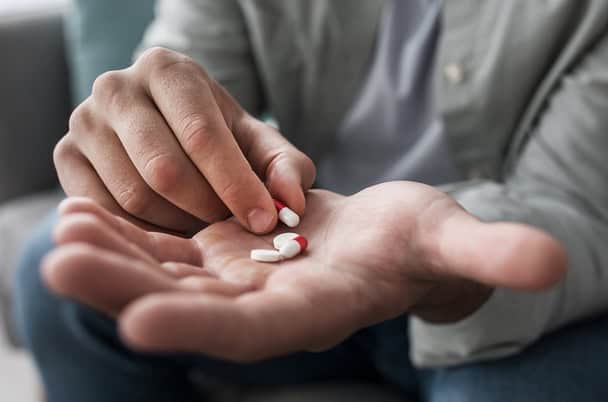
Brain nerve cells use various neurotransmitters to transmit signals. In depression the balance of certain brain neurotransmitters, such as serotonin, adrenaline, dopamine, or glutamate, is altered, and some nerve connections are inhibited.
They are different groups of medication influencing the neurotransmitters and used in the treatment of depression. However, the main medications used in the treatment for depression are antidepressants.
Drug treatment with modern antidepressants dates back to the mid-1950s. Since then, research has produced a new class of antidepressants roughly every decade.
Most antidepressants need to be taken regularly for several weeks before their effects become noticeable. In most cases, people with depression continue taking medication for 6 to 12 months to reduce the risk of relapse.
Main Categories of Antidepressants for Treatment of Depression
There are several types of antidepressants. The efficacy of each type of antidepressant per person varies. It might be necessary to try multiple treatments before finding the most effective one.
Selective Serotonin Reuptake Inhibitors (SSRIs)
SSRIs are currently the most commonly prescribed antidepressants. They are effective not only in treating depression but also other mental health conditions that often occur alongside it.
Active ingredients are fluoxetine, paroxetine, sertraline, and escitalopram.
Serotonin-Norepinephrine Reuptake Inhibitors (SNRIs)
These medications work in a similar way to SSRIs but specifically block the reuptake of both serotonin and norepinephrine. They improve mood and can increase drive and energy. Their side effects are largely similar to those of SSRIs.
Active ingredients: duloxetine, milnacipran, and venlafaxine.
Tricyclic (TCAs)
Tricyclic antidepressants are older medications used to treat depression. Their antidepressant effect is based on blocking the reuptake of serotonin and norepinephrine, but they also affect other neurotransmitters.
Because of their broad mechanism of action, they tend to cause more side effects. As a result, their use has declined in recent years.
Active ingredients include amitriptyline, clomipramine, doxepin, imipramine, nortriptyline, and trimipramine.
Tetracyclic Antidepressants (TeCA)
Tetracyclic antidepressants block norepinephrine receptors on nerve cells and, at the same time, increase the release of this neurotransmitter. They are often used when depression is accompanied by agitation or sleep disturbances.
One advantage of these medications is their calming effect, which can be helpful at the beginning of treatment.
Active ingredients: mirtazapine and mianserin
Norepinephrine-Dopamine Reuptake Inhibitors (NDRIs)
NDRIs block the reuptake of norepinephrine and dopamine into nerve cells. They are mainly used in severe depressive episodes.
Active ingredient: bupropion.
Melatonergic Antidepressants
Melatonergic antidepressants stimulate melatonin receptors. Melatonin is a natural hormone that regulates the sleep–wake cycle, which explains its sleep-promoting effect.
They offer several advantages. They tend to cause fewer side effects than many other antidepressants and usually do not lead to daytime drowsiness, nighttime insomnia, or weight gain.
Active ingredient: agomelatine.
Norepinephrine Reuptake Inhibitors (NARIs)
NARIs specifically block the reuptake of norepinephrine. They are used in mild to moderate depression, particularly when lack of drive is a prominent symptom. Their side effects are similar to those of SSRIs. In addition, they may increase social activity.
Active ingredient: reboxetine.
Monoamine Oxidase Inhibitors (MAOIs)
MAO inhibitors block the enzyme monoamine oxidase, which normally breaks down serotonin, dopamine, norepinephrine, and adrenaline. By inhibiting this enzyme, the levels of these neurotransmitters increase.
MAOIs are very effective but are prescribed less often, usually only when other antidepressants have not been successful. Patients taking MAOIs must follow certain dietary restrictions. They should not be combined with other antidepressants.
Active ingredient: moclobemide.
Advantages and Disadvantages of Antidepressants in Treatment for Depression
Antidepressants are highly effective, especially in the treatment of moderate to severe depression. They often begin to work within a few days to about two weeks, helping to reduce symptoms in a relatively short time. Different types of antidepressants target different symptoms: some have a calming effect and improve sleep, while others increase energy. This allows the psychiatrist to choose the most appropriate medication based on the patient’s specific condition.
However, antidepressants can also have drawbacks. Depending on the medication, side effects may include nausea, weight gain, constipation or diarrhea, drowsiness, or sexual problems. These effects are most common at the start of treatment. Around half of all patients experience mild, temporary side effects in the first four to six weeks.
It is also important to understand that antidepressants do not address the life problems that may have contributed to the depression, such as stress at work or difficulties in a relationship. Therefore, combining medication with psychotherapy is the most effective way to achieve a patient’s full recovery while at the same time reducing the risk of relapse.
Monitoring and Maintenance of Medication
Regular monitoring during the initial weeks ensures the effectiveness of antidepressants in therapy for depression. Continuation for at least 6 months post-symptom improvement is common, with long-term use assessed at least quarterly.
Management for Discontinuing Antidepressants
Antidepressants are not addictive; however, a sudden interruption of the intake can cause unpleasant withdrawal symptoms. Thus, a slow reduction of the dosage is necessary to mitigate potential withdrawal symptoms.
Patient’s Compliance with Medication
Beyond the danger of relapse, suddenly discontinuing medication can lead to uncomfortable physical symptoms such as dizziness, nausea, or sudden mood fluctuations. These side effects are largely avoidable when changes to treatment—whether reducing, switching, or stopping medication—are made gradually and under close psychiatric guidance.
Psychotherapy in Treatment for Depression at CHMC in Dubai
Psychotherapy is one of the most important therapy methods for treating depression. Its success depends, among other things, on how severe the symptoms are, the relationship with the therapist, and the person’s individual life situation.
Mild depression can be treated with psychotherapy (counselling) as a stand-alone method. In such cases psychotherapy can take place in an outpatient setting. Treatment of severe depression, especially such with a suicide risk, usually requires inpatient care with a team of psychologists, psychiatrists, and nurses. In this setting, psychotherapy is combined with medication and daily routine support to help patients regain stability.
Psychotherapy is often conducted as one-to-one sessions, but group therapy or a combination of individual and group sessions is also possible. Family members can be involved if needed.
Psychotherapy helps patients come out of the emotional low of depression and reduce the risk of relapse. During the sessions, patients learn strategies to deal better with negative thoughts and to work through difficult life experiences. Regular conversations with the therapist also provide emotional support and help explore the underlying causes of the symptoms.
There are different psychotherapeutic techniques used for the treatment of depression.
Cognitive Behavioral Therapy (CBT)
CBT helps the patient to understand his thoughts and behaviours, emphasizing present-focused strategies to change negative thinking patterns. Sessions, lasting 8 to 16 weeks, occur weekly or biweekly, either individually or in groups.
Interpersonal Therapy (IPT)
Focusing on relationships, IPT addresses communication difficulties issues and aims to improve interpersonal functioning in 8 to 16 sessions, tailored to the severity of the condition.
Behavioral Activation Therapy
Centered on the connection between activities and mood, this therapy targets behaviour changes to improve mood. Typically involves 12 to 16 individual sessions.
Individual Problem-Solving
Tailored for more severe depression, this therapy concentrates on identifying and solving problems. A structured approach, with 6 to 12 sessions, is recommended.
Psychodynamic Psychotherapy
Psychoanalytic in nature, psychodynamic psychotherapy requires 16 more sessions and can last up to one year. Psychodynamic therapy helps patients to find and to resolve the unconscious conflicts causing the symptoms.
Behavioral Couples Therapy
Involving partners in treatment, behavioral couples therapy extends over 15 to 20 sessions across 5 to 6 months.
Adjusting Treatment to the Severity of Depression
Treatment for depression is never one-size-fits-all. The best approach depends on accurately identifying the signs and symptoms through a thorough clinical assessment. Every case of depression is unique, varying in intensity, duration, and how it unfolds over time.
By tailoring treatment to the severity of symptoms, patients have a better chance of achieving full recovery and reducing the risk of relapse.
Psychiatrists typically classify depression as mild, moderate, or severe, based on the number and persistence of both primary and secondary symptoms. Once the severity has been determined, the psychiatrist and patient work together to decide on the most suitable treatment plan.
Guide for Treatment of Mild Depression
Watchful Waiting
For mild depression, the initial approach may involve watchful waiting. Your GP might recommend monitoring your progress after an initial diagnosis, typically revisiting after 2 to 4 weeks.
Guided Self-Help
Engage in guided self-help, involving 6 to 8 sessions where you collaborate with a therapist, working through a workbook or an online course. This approach aims to reshape thinking and behaviour and is rooted in Cognitive Behavioral Therapy (CBT).
Exercise as a Therapeutic Path
Recognizing the positive impact of exercise on mild depression, you may be encouraged to join group exercise classes tailored to alleviate depressive symptoms.
Psychotherapy for Mild Depression
If mild depression persists, explore talking therapies such as Cognitive Behavioral Therapy (CBT) and counselling for personalized support.
Guide for Treatment of Moderate to Severe Depression
Antidepressants
Transitioning to moderate or severe depression, the introduction of antidepressants becomes a common recommendation. These medications, prescribed by doctors, target to alleviate depressive symptoms. Although proven effective, antidepressants do not work for everyone.
Combination Therapy
In cases of severe depression, a combination of antidepressants and talking therapy, especially Cognitive Behavioral Therapy (CBT), is the most promising therapy method.
Mental Health Teams
Severe depression may sometimes require referral for inpatient care, where mental health teams made up of psychologists, psychiatrists, specialist nurses, and occupational therapists provide intensive support. Treatments often include psychotherapy, occupational therapy, and medication, all aimed at helping patients rebuild daily routines, strengthen coping skills, and return to normal life. For those wondering how to overcome depression, seeking timely professional help and committing to treatment are vital first steps. Alongside medical care, building healthy habits, practicing mindfulness, and relying on social support can also play a big role in how to overcome depression and achieve long-term recovery.
Treatment for Depression in Suicidal Patients
The most serious and tragic outcome of depression is suicide. Statistics show that between 10% and 15% of individuals with recurrent, severe depressive episodes die by suicide. Suicidal thoughts can emerge at any age, but they are particularly common among those facing severe psychosocial stress, such as divorce, isolation, or substance abuse.
In some cases, suicidal ideation arises during severe depressive episodes—often at the onset or toward the end—when mood is still low but energy levels have begun to return. This combination can be especially dangerous. Patients expressing suicidal thoughts require immediate hospital admission and intensive care under close psychiatric supervision to ensure their safety and begin appropriate treatment.
Maintenance Management of Depression
Maintenance therapy begins once the acute phase of depression has been brought under control. Its primary goal is to stabilize the patient’s mental health and reduce the risk of symptoms returning.
This stage of treatment typically lasts at least four to six months, during which the focus is on maintaining stability and consolidating the progress made in earlier therapy. It involves continued use of prescribed medication, regular follow-up appointments, and ongoing support through psychotherapy.
The Psychoeducation for Patients with Depression
This process—known as psychoeducation—helps patients understand what to expect and how to actively participate in their own recovery. Maintaining close contact with the psychiatrist is essential, allowing questions to be addressed and treatment adjustments to be made when necessary. Patients are also encouraged to take their medication consistently, with the understanding that antidepressants often require several days to weeks before their benefits become noticeable.
Achieving the Full Recovery
Patients should also approach their recovery with patience and realistic expectations. It is important not to overestimate temporary improvements, as progress can sometimes be uneven. Even after a period of full recovery, occasional setbacks are possible. Recognizing these challenges as a normal part of the healing process can help maintain perspective and prevent discouragement.
Prevention for Depression
Anyone who has already experienced a depressive episode usually has a higher risk of developing another one. This is referred to as recurrent depression or a relapse. The risk of relapse can be reduced if those affected take an active role in their treatment.
Continuing to take antidepressants for four to nine months after recovery may be recommended. This should always be discussed with the treating psychiatrist. Psychotherapy can also be helpful beyond the acute phase in order to prevent a relapse.
Regular physical activity can improve overall well-being and support both medication and psychotherapy. Exercising with others can also help maintain social contacts.
Monitoring sleep in a structured way may have a positive effect as well. Keeping a diary to record sleep duration and quality and how these affect mood can provide useful insights.
To prevent a relapse, it is important to recognize early warning signs. These may include changes in mood, increased rumination, or mild sleep problems. If such signs appear, it is advisable to seek professional help, such as psychotherapy, at an early stage.
Read more about relapse prevention
Key Points in the Therapy for Depression
According to the World Health Organization (WHO, 2020), depression—along with anxiety—is among the most common mental health disorders worldwide, affecting over 300 million people.
The first and most crucial step before beginning treatment for depression is making an accurate diagnosis. This involves distinguishing major depressive disorder (MDD) from other mental health conditions that may present with similar symptoms. Accurate recognition is often the bottleneck in the entire diagnostic and treatment process—only about half of all depressive disorders are correctly identified.
Of those cases that are diagnosed correctly, only half actually receive treatment. This means that just one in four people living with depression gets the professional help they need. The consequences of untreated depression can be devastating: between 10% and 15% of sufferers die by suicide, with men being three times more likely to take their own lives than women.
Effective treatment for depressive disorders requires a coordinated approach. A professional team—typically consisting of a psychiatrist and a psychologist—can provide the combination of medical and psychotherapeutic care necessary to help patients achieve recovery and restore their quality of life.
FAQ about Treatment of Depression
In the below FAQs section we provide the answers to the most common concerns of our patients about depression.
When to See a Psychiatrist in Dubai for Depression Treatment
Many people wait far too long before seeking professional help. They convince themselves that they can handle it on their own or that “everything is normal.” But this attitude—the belief that one must always keep functioning—often worsens the condition.
If sadness, exhaustion, or hopelessness lasts longer than two weeks, it’s time to consult a psychiatrist in Dubai for depression treatment. Early intervention speeds up recovery and prevents symptoms from becoming chronic.
Where to Find Help for Depression in Dubai
Dubai offers a wide network of psychiatric clinics and specialized centers for mental health. Many psychiatrists work in private practices or in outpatient departments connected to hospitals. In emergency or crisis situations, patients can also turn to psychiatric hospitals, such as Al Amal Hospital. Inpatient treatment may include medication, psychotherapy, and other therapeutic approaches. Depending on the severity of the depression, a hospital stay may last several weeks.
Treatment for Mild Depression
In mild or early stages of depression, psychotherapy and lifestyle adjustments can be very effective. Reestablishing a healthy work–life balance, engaging in hobbies, and regular exercise can help stabilize mood and reduce symptoms.
Working with a therapist or psychiatrist can guide patients through this process and provide structure, helping them regain motivation and joy in daily life.
Treatment for Moderate and Severe Depression
For moderate or severe depression, prompt treatment is crucial. Symptoms can become overwhelming and rarely disappear on their own. In such cases, a psychiatrist in Dubai for depression treatment will usually recommend psychotherapy combined with antidepressant medication.
This approach is also essential for chronic depression and for patients with suicidal thoughts. Professional psychiatric care provides safety, close monitoring, and an individualized treatment plan.
How Psychiatrists Treat Depression with Antidepressants
Antidepressants are medications that help lift mood and restore energy levels. They are particularly effective in moderate to severe depression and are often used alongside psychotherapy.
For mild depression, antidepressants are not always necessary and are only prescribed if symptoms persist or worsen over time.
It usually takes several days to a few weeks for antidepressants to take effect. During this period, it’s important to stay in close contact with your psychiatrist. The medication must be taken daily for several weeks or months to work fully.
Once symptoms improve, doctors often continue treatment with a maintenance phase lasting a few more months to prevent relapse. In some cases, long-term therapy may be recommended to ensure stability.
Importance of Regular Follow-Up with a Psychiatrist
Each person responds differently to medication. For this reason, regular follow-up appointments with a psychiatrist in Dubai are essential. The psychiatrist monitors progress, adjusts dosages, and ensures that side effects are minimized.
When the treatment comes to an end, antidepressants are gradually reduced over several weeks. Stopping the medication abruptly can lead to withdrawal symptoms such as nausea or restlessness.
Patients should never discontinue their medication on their own once they start feeling better—doing so increases the risk of relapse.
When to see a psychiatrist in Dubai for depression treatment?
Many people wait far too long before seeking professional help. They convince themselves that they can handle it on their own or that “everything is normal.” But this attitude—the belief that one must always keep functioning—often worsens the condition.
If sadness, exhaustion, or hopelessness lasts longer than two weeks, it’s time to consult a psychiatrist in Dubai for depression treatment. Early intervention speeds up recovery and prevents symptoms from becoming chronic.
Where to find help for depression in Dubai?
Dubai offers a wide network of psychiatric clinics and specialized centers for mental health. Many psychiatrists work in private practices or in outpatient departments connected to hospitals. In emergency or crisis situations, patients can also turn to psychiatric hospitals, such as Al Amal Hospital. Inpatient treatment may include medication, psychotherapy, and other therapeutic approaches. Depending on the severity of the depression, a hospital stay may last several weeks.
How is mild depression being treated?
In mild or early stages of depression, psychotherapy and lifestyle adjustments can be very effective. Reestablishing a healthy work–life balance, engaging in hobbies, and regular exercise can help stabilize mood and reduce symptoms.
Working with a therapist or psychiatrist can guide patients through this process and provide structure, helping them regain motivation and joy in daily life.
How to treat severe depression in Dubai?
For severe depression, prompt treatment is crucial. Symptoms can become overwhelming and rarely disappear on their own. In such cases, a psychiatrist will recommend hospitalization, especially if the patient is suicidal.
Patients with severe depression can be admitted to one of the psychiatric hospitals in Dubai: Al Amal Hospital or the Psychiatric Department of Rashid Hospital. Once a patient’s status stabilizes, the treatment can be continued in one of the outpatient psychiatric clinics, like, for example, CHMC.
When are antidepressants used for the treatment of depression?
Antidepressants are medications that help lift mood and restore energy levels. They are particularly effective in moderate to severe depression and are often used alongside psychotherapy.
For mild depression, antidepressants are not always necessary and are only prescribed if symptoms persist or worsen over time.
How long does it take to feel the effect of treatment with antidepressants?
It usually takes several days to a few weeks for antidepressants to take effect. During this period, it’s important to stay in close contact with
your psychiatrist. The medication must be taken daily for several weeks or months to work fully.
Once symptoms improve, doctors often continue treatment with a maintenance phase lasting a few more months to prevent relapse. In some cases, long-term therapy may be recommended to ensure stability.
How important is the psychiatric follow-up in treatment for depression?
Each person responds differently to medication. For this reason, regular follow-up appointments with a psychiatrist are essential. The psychiatrist monitors progress, adjusts dosages, and ensures that side effects are minimized. When the treatment comes to an end, antidepressants are gradually reduced over several weeks.
Stopping the medication abruptly can lead to withdrawal symptoms such as nausea or restlessness.
Patients should never discontinue their medication on their own once they start feeling better—doing so increases the risk of relapse.
What are the common symptoms of depression?
Depression symptoms in Dubai are similar to global patterns and include persistent sadness, fatigue, loss of interest in activities, sleep disturbances, difficulty concentrating, and physical issues like headaches or digestive problems. Recognizing these signs early is crucial for seeking timely help.
Is depression treatment in Dubai covered by insurance?
Most insurance plans in Dubai now cover mental health services, including depression treatment. Check with your provider to confirm the extent of coverage for psychiatric consultations, therapy sessions, and medications.
I am feeling really depressed. Can you tell me if I should see the psychologist or the psychiatrist?
If you are having trouble functioning in daily life, e.g., working, parenting, grooming, etc., or you have lost your ability to sleep, seek psychiatric care. For milder or more moderate feelings of depression, psychotherapy from a psychologist will help you. If you are uncertain, our psychologists are qualified to assess your level of depression and will make a referral for a psychiatric assessment if needed.
How can I help someone with depression in Dubai?
Encourage them to seek professional help and provide emotional support. You can also connect them with local resources such as mental health clinics or hospitals for crisis support, or reputable psychiatrists or psychologists specializing in depression treatment in Dubai.
I feel fatigued, anxious, and demotivated and do not enjoy things as I used to. Do you think the counselling can help me get rid of the symptoms?
You obviously suffer from depression. You can visit one of our psychologists. After an interview and short test, the severity of the symptoms can be assessed. If the symptoms are not severe and don’t last long, counseling would be the method of choice. In some cases, the medication can be indicated at the beginning to increase the energy, motivation, and mood. Combined with counseling, the medication can be gradually removed.
What types of depression treatments are available in Dubai?
Treatments for depression in Dubai include:
- Psychotherapy (e.g., Cognitive Behavioral Therapy (CBT), psychodynamic therapy).
- Medication (e.g., antidepressants such as SSRIs or SNRIs).
- Holistic Approaches (e.g., mindfulness, yoga, or lifestyle adjustments).
- Hospitalization for severe cases requiring intensive care.
Is depression curable or just treatable with medication?
Depression is a curable condition. However, untreated, it can develop into chronic, lifelong suffering. Therefore, it is critical for individuals with depression to engage in therapy as soon as possible. The state-of-the-art treatment for depression combines medication and psychotherapy. Medication can suppress the symptoms within a few weeks, creating a sound foundation for the psychotherapy. However, medication alone will eventually lose its efficacy. On the other hand, psychotherapy used without medication wouldn’t be able to “unwind” severe depressive symptoms.
Are drugs the best treatment for depression?
Medications help to quickly restore a person’s functioning, but it’s not healing depression per se. The purpose of treatment with antidepressants is to alleviate symptoms of severe depression, such as feeling down and not being capable of dealing with social and professional obligations. They help to restore sleep, lift the mood, and suppress anxiety.
In most of the cases, depression is the effect of psychological malfunction due to the accumulation of conflicts the individual is not aware of or feels incapable of solving. However, using only medication will not solve such problems by default. The individual needs time and guidance to find a suitable solution. Once such a solution is found and implemented in an individual’s life, the medication would be obsolete.
Is there a stigma around seeking help for depression in Dubai?
While awareness of mental health has improved in Dubai, some stigma remains. However, mental health professionals in Dubai prioritize patient confidentiality, and more people are becoming open to seeking help due to increased education and acceptance.
Yes, depression and anxiety are often related. While they are distinct mental health disorders, they frequently coexist and share common symptoms, such as excessive worry, irritability, and difficulty concentrating. Additionally, experiencing one disorder can increase the risk of developing the other, and they often respond to similar treatment approaches.
What is the treatment for depression?
The treatment for depression typically includes a combination of therapy, medication, and lifestyle changes. Therapy, such as cognitive-behavioral therapy (CBT), helps individuals identify and change negative thought patterns and behaviors. Medications, such as antidepressants, can help rebalance brain chemicals. Lifestyle changes, like exercise, adequate sleep, and stress management, also play a crucial role in managing depression.
Are depression rates in Dubai increasing?
Depression rates in Dubai as well as globally have been increasing over recent years. Factors such as societal pressures, economic stressors, and lifestyle changes contribute to this rise. Additionally, increased awareness and recognition of mental health issues may also play a role in the reported increase in depression rates.
Can depression be genetic?
Yes, depression can have a genetic component. Research suggests that individuals with a family history of depression are at a higher risk of developing the disorder themselves. Genetic factors can influence a person’s susceptibility to depression, but environmental and psychological factors also play significant roles in its development.
Will depression go away on its own?
The duration of depression varies widely among individuals, making it challenging to determine an average timeframe. However, it’s unlikely for depression to resolve without treatment. Addressing chronic depression typically involves a multifaceted approach, including medication, therapy, self-care practices, and adopting healthy lifestyle habits such as maintaining a balanced diet and regular exercise.
Read More About Depression
- Symptoms of Depression
- Diagnosis of Depression
- Types of Depression
- Causes of Depression
- Relapse Prevention of Depression
- Depression caused by Physical Illnesses
- Self-Assessment Test for Depression
- Postpartum Depression
- Dysthymia
- Catatonic Depression
- Premenstrual Dysphoric Disorder (PMDD)
- Relaxation Techniques in Therapy for Depression
- Helping Family Members with Depression
- Psychotherapy for Older Adults with Depression
- Misdiagnosing Depression
- From Early Understanding to Modern Diagnosis of Depression
- Antidepressants. What They Are
- Feeling Depressed? Effects of Loneliness and Social Isolation