

Symptoms of Depression

The following section describes the individual symptoms required for the diagnosis of a depressive disorder according to ICD-10. The clinical presentation is complemented by examples of questions that may be asked during a patient interview.

When assessing depressive symptoms, it is essential that the time criteria are fulfilled. The symptoms must be present for at least two weeks and occur almost continuously during that period.

Depressed Mood

Affected individuals often describe their emotional state as characterized by hopelessness, sadness, and despair. These feelings are frequently accompanied by diffuse anxiety and a sense of inner insecurity. Some patients additionally, or even exclusively, report a feeling of emotional numbness. They describe it as an absence of any emotional experience. In such cases, they are unable to feel joy in response to positive events, but they may also find themselves unable to experience sadness.

Patients often perceive this state as fundamentally different from other forms of psychological or physical suffering. It is experienced as particularly distressing. Symptoms may fluctuate throughout the day. A typical pattern is a pronounced worsening of mood in the early morning hours, with gradual improvement as the day progresses, sometimes resulting in a noticeably better mood in the evening.

Loss of Interest and Loss of Pleasure

Patients are no longer able to pursue activities and hobbies that they previously found enjoyable. The ability to take pleasure in meaningful aspects of daily life diminishes or disappears. This loss of interest can affect all areas of life, including family, friendships, work, leisure activities, sports, and sexual life.

Two simple screening questions often used in clinical practice are whether the person has felt frequently down, depressed, or hopeless in the past month, and whether they have experienced markedly reduced interest or pleasure in activities they usually enjoy.

Increased Fatigability and Loss of Drive

Activities that were previously carried out without difficulty become extremely exhausting during a depressive episode. Patients frequently describe an intense inner fatigue and lack of energy that makes even minor tasks feel overwhelming. Motivation for simple daily activities such as preparing meals or maintaining personal hygiene decreases. This often leads to social withdrawal, as contact with others is perceived as burdensome.

Attempts to counteract exhaustion by resting usually do not lead to improvement. Restlessness and sleep disturbances commonly prevent recovery, and the sense of fatigue persists.

Additional Symptoms of Depression
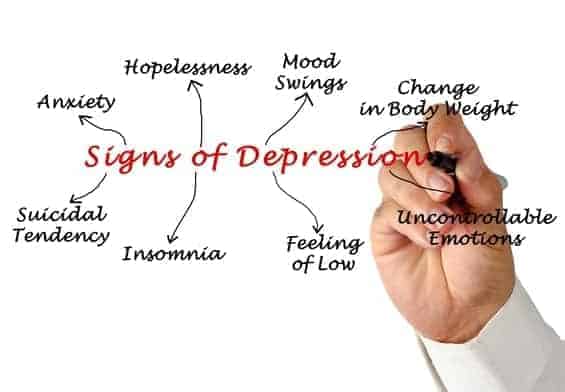
Impaired Concentration and Attention

People suffering from depression often find it difficult to concentrate or process complex information. This may become apparent when they are unable to carry out everyday activities such as shopping, managing household tasks, reading a newspaper, or watching television. Indecisiveness and slowed thinking are further indicators of concentration problems. Many patients fear that they may be developing dementia because they experience their cognitive difficulties as distressing and disabling.

Reduced Self-Esteem and Self-Confidence

Even individuals who previously had stable self-esteem often experience a marked decline in their sense of self-worth during a depressive episode. They may deny or dismiss their former strengths and abilities and perceive themselves as lacking value. Achievements are judged as meaningless or useless. Patients frequently see themselves as a burden to others.

Feelings of Guilt and Worthlessness

Depressive thinking is often dominated by themes of guilt, sin, or financial ruin. These thoughts can intensify to the level of delusional beliefs. Feelings of guilt may relate to past events, current situations, or anticipated future outcomes. Incidents from the distant past can be experienced as overwhelmingly shameful or unforgivable. Current difficulties in work or private life are interpreted as personal failure.

Reactions from the social environment may unintentionally reinforce these feelings. Well-meant encouragement or, in some cases, misunderstanding and irritation from others can deepen the patient’s sense of inadequacy.

Negative and Pessimistic Outlook on the Future

Given the symptoms described, it is understandable that many patients develop a deeply pessimistic view of the future. Each new day is experienced as a burden, and the future appears hopeless.

Suicidal Thoughts and Actions

Approximately 80 percent of individuals with depression experience suicidal thoughts, and around 15 percent attempt suicide. About half of all suicides are associated with depressive disorders. Suicidal thoughts can range from vague ideas that it might be better not to exist, to wishes to die from illness or accident, to detailed planning of suicide.

Particular attention is required when a depressive episode begins to improve in terms of energy and drive, while the depressed mood persists. During this phase, the risk of acting on suicidal thoughts may increase. For this reason, direct and careful assessment of suicidality throughout treatment is essential.

Sleep Disturbances

Nearly all patients with depression report significant sleep disturbances. Most commonly, they experience difficulty falling asleep or staying asleep. Around ten percent, however, develop hypersomnia. Regardless of sleep duration, sleep is often described as non-restorative.

Changes in Appetite

Loss of appetite is common and may lead to noticeable weight loss. An unintentional reduction of more than five percent of body weight is considered clinically relevant. In some cases, however, increased appetite and significant weight gain may occur.

Psychotic Symptoms

The emergence of psychotic symptoms in depressed patients is a serious warning sign. Approximately one third of individuals with severe depression develop such features. Typical examples include delusions of poverty, guilt, or hypochondria. In these cases, patients are no longer able to question their beliefs, and logical explanations from clinicians have no effect. The presence of psychotic symptoms significantly increases mortality risk.

Somatic Syndrome

In mild to moderate depressive episodes, additional somatic symptoms may occur, such as early morning awakening, psychomotor slowing or agitation, and marked loss of libido. According to DSM-5, these features may contribute to the diagnosis of a somatic syndrome. The diagnostic implications require careful evaluation.

Clinical Course

The course of depressive disorders varies and has important implications for treatment planning. A distinction must be made between single episodes, recurrent depression, chronic depression, and depressive adjustment disorders.

Unipolar and Bipolar Depression

While some patients experience only a single depressive episode, the majority, approximately 55 to 65 percent, have recurrent episodes during their lifetime. In five to ten percent of cases, a manic episode occurs later, leading to a diagnosis of bipolar disorder. About three quarters of bipolar disorders begin with a depressive episode.

Without treatment, a depressive episode typically lasts six to eight months. With appropriate therapy, especially a combination of medication and psychotherapy, the duration can often be reduced to two to four months and symptom severity can be significantly improved. Around 80 percent of patients achieve remission within two years, while about 20 percent develop a chronic course.

Chronic Depression

Approximately 20 percent of depressive disorders become chronic, particularly if treatment is inadequate. Chronic depression includes dysthymia, characterized by milder but persistent symptoms lasting for at least half of the time over a period of two years. It also includes cases where recurrent depressive episodes occur on the background of dysthymia, sometimes referred to as “double depression,” as well as episodes that persist for more than two years without significant improvement.

Comorbidity and Differential Diagnosis

Depressive episodes frequently occur alongside other psychiatric disorders, including dementia, substance dependence, schizophrenia and other psychotic disorders, anxiety and obsessive-compulsive disorders, somatoform disorders, eating disorders, and personality disorders.

Identifying comorbid conditions is essential because they influence both prognosis and treatment decisions. For example, treating depression in a patient with dementia can significantly improve quality of life. It is also important to note that a depressed mood alone does not necessarily indicate a depressive disorder. Grief following the loss of a partner is one example. In elderly or medically complex patients, diagnosis may be particularly challenging, as symptoms such as low mood, weakness, or sleep disturbances can occur independently of depression.

Main Main Symptoms of Depression

The following section describes the individual symptoms required for the diagnosis of a depressive disorder according to ICD-10. The clinical presentation is complemented by examples of questions that may be asked during a patient interview.

When assessing depressive symptoms, it is essential that the time criteria are fulfilled. The symptoms must be present for at least two weeks and occur almost continuously during that period.

Depressed Mood

Affected individuals often describe their emotional state as characterized by hopelessness, sadness, and despair. These feelings are frequently accompanied by diffuse anxiety and a sense of inner insecurity. Some patients additionally, or even exclusively, report a feeling of emotional numbness. They describe it as an absence of any emotional experience. In such cases, they are unable to feel joy in response to positive events, but they may also find themselves unable to experience sadness.

Patients often perceive this state as fundamentally different from other forms of psychological or physical suffering. It is experienced as particularly distressing. Symptoms may fluctuate throughout the day. A typical pattern is a pronounced worsening of mood in the early morning hours, with gradual improvement as the day progresses, sometimes resulting in a noticeably better mood in the evening.

Loss of Interest and Loss of Pleasure

Patients are no longer able to pursue activities and hobbies that they previously found enjoyable. The ability to take pleasure in meaningful aspects of daily life diminishes or disappears. This loss of interest can affect all areas of life, including family, friendships, work, leisure activities, sports, and sexual life.

Two simple screening questions often used in clinical practice are whether the person has felt frequently down, depressed, or hopeless in the past month, and whether they have experienced markedly reduced interest or pleasure in activities they usually enjoy.

Increased Fatigability and Loss of Drive

Activities that were previously carried out without difficulty become extremely exhausting during a depressive episode. Patients frequently describe an intense inner fatigue and lack of energy that makes even minor tasks feel overwhelming. Motivation for simple daily activities such as preparing meals or maintaining personal hygiene decreases. This often leads to social withdrawal, as contact with others is perceived as burdensome.

Attempts to counteract exhaustion by resting usually do not lead to improvement. Restlessness and sleep disturbances commonly prevent recovery, and the sense of fatigue persists.

Additional Symptoms of Depression

Impaired Concentration and Attention

People suffering from depression often find it difficult to concentrate or process complex information. This may become apparent when they are unable to carry out everyday activities such as shopping, managing household tasks, reading a newspaper, or watching television. Indecisiveness and slowed thinking are further indicators of concentration problems. Many patients fear that they may be developing dementia because they experience their cognitive difficulties as distressing and disabling.

Reduced Self-Esteem and Self-Confidence

Even individuals who previously had stable self-esteem often experience a marked decline in their sense of self-worth during a depressive episode. They may deny or dismiss their former strengths and abilities and perceive themselves as lacking value. Achievements are judged as meaningless or useless. Patients frequently see themselves as a burden to others.

Feelings of Guilt and Worthlessness

Depressive thinking is often dominated by themes of guilt, sin, or financial ruin. These thoughts can intensify to the level of delusional beliefs. Feelings of guilt may relate to past events, current situations, or anticipated future outcomes. Incidents from the distant past can be experienced as overwhelmingly shameful or unforgivable. Current difficulties in work or private life are interpreted as personal failure.

Reactions from the social environment may unintentionally reinforce these feelings. Well-meant encouragement or, in some cases, misunderstanding and irritation from others can deepen the patient’s sense of inadequacy.

Negative and Pessimistic Outlook on the Future

Given the symptoms described, it is understandable that many patients develop a deeply pessimistic view of the future. Each new day is experienced as a burden, and the future appears hopeless.

Suicidal Thoughts and Actions

Approximately 80 percent of individuals with depression experience suicidal thoughts, and around 15 percent attempt suicide. About half of all suicides are associated with depressive disorders. Suicidal thoughts can range from vague ideas that it might be better not to exist, to wishes to die from illness or accident, to detailed planning of suicide.

Particular attention is required when a depressive episode begins to improve in terms of energy and drive, while the depressed mood persists. During this phase, the risk of acting on suicidal thoughts may increase. For this reason, direct and careful assessment of suicidality throughout treatment is essential.

Sleep Disturbances

Nearly all patients with depression report significant sleep disturbances. Most commonly, they experience difficulty falling asleep or staying asleep. Around ten percent, however, develop hypersomnia. Regardless of sleep duration, sleep is often described as non-restorative.

Changes in Appetite

Loss of appetite is common and may lead to noticeable weight loss. An unintentional reduction of more than five percent of body weight is considered clinically relevant. In some cases, however, increased appetite and significant weight gain may occur.

Psychotic Symptoms

The emergence of psychotic symptoms in depressed patients is a serious warning sign. Approximately one third of individuals with severe depression develop such features. Typical examples include delusions of poverty, guilt, or hypochondria. In these cases, patients are no longer able to question their beliefs, and logical explanations from clinicians have no effect. The presence of psychotic symptoms significantly increases mortality risk.

Somatic Syndrome

In mild to moderate depressive episodes, additional somatic symptoms may occur, such as early morning awakening, psychomotor slowing or agitation, and marked loss of libido. According to DSM-5, these features may contribute to the diagnosis of a somatic syndrome. The diagnostic implications require careful evaluation.

Clinical Course

The course of depressive disorders varies and has important implications for treatment planning. A distinction must be made between single episodes, recurrent depression, chronic depression, and depressive adjustment disorders.

Unipolar and Bipolar Depression

While some patients experience only a single depressive episode, the majority, approximately 55 to 65 percent, have recurrent episodes during their lifetime. In five to ten percent of cases, a manic episode occurs later, leading to a diagnosis of bipolar disorder. About three quarters of bipolar disorders begin with a depressive episode.

Without treatment, a depressive episode typically lasts six to eight months. With appropriate therapy, especially a combination of medication and psychotherapy, the duration can often be reduced to two to four months and symptom severity can be significantly improved. Around 80 percent of patients achieve remission within two years, while about 20 percent develop a chronic course.

Chronic Depression

Approximately 20 percent of depressive disorders become chronic, particularly if treatment is inadequate. Chronic depression includes dysthymia, characterized by milder but persistent symptoms lasting for at least half of the time over a period of two years. It also includes cases where recurrent depressive episodes occur on the background of dysthymia, sometimes referred to as “double depression,” as well as episodes that persist for more than two years without significant improvement.

Comorbidity and Differential Diagnosis

Depressive episodes frequently occur alongside other psychiatric disorders, including dementia, substance dependence, schizophrenia and other psychotic disorders, anxiety and obsessive-compulsive disorders, somatoform disorders, eating disorders, and personality disorders.

Identifying comorbid conditions is essential because they influence both prognosis and treatment decisions. For example, treating depression in a patient with dementia can significantly improve quality of life. It is also important to note that a depressed mood alone does not necessarily indicate a depressive disorder. Grief following the loss of a partner is one example. In elderly or medically complex patients, diagnosis may be particularly challenging, as symptoms such as low mood, weakness, or sleep disturbances can occur independently of depression.

The following section describes the individual symptoms required for the diagnosis of a depressive disorder according to ICD-10. The clinical presentation is complemented by examples of questions that may be asked during a patient interview.

When assessing depressive symptoms, it is essential that the time criteria are fulfilled. The symptoms must be present for at least two weeks and occur almost continuously during that period.

Depressed Mood

Affected individuals often describe their emotional state as characterized by hopelessness, sadness, and despair. These feelings are frequently accompanied by diffuse anxiety and a sense of inner insecurity. Some patients additionally, or even exclusively, report a feeling of emotional numbness. They describe it as an absence of any emotional experience. In such cases, they are unable to feel joy in response to positive events, but they may also find themselves unable to experience sadness.

Patients often perceive this state as fundamentally different from other forms of psychological or physical suffering. It is experienced as particularly distressing. Symptoms may fluctuate throughout the day. A typical pattern is a pronounced worsening of mood in the early morning hours, with gradual improvement as the day progresses, sometimes resulting in a noticeably better mood in the evening.

Loss of Interest and Loss of Pleasure

Patients are no longer able to pursue activities and hobbies that they previously found enjoyable. The ability to take pleasure in meaningful aspects of daily life diminishes or disappears. This loss of interest can affect all areas of life, including family, friendships, work, leisure activities, sports, and sexual life.

Two simple screening questions often used in clinical practice are whether the person has felt frequently down, depressed, or hopeless in the past month, and whether they have experienced markedly reduced interest or pleasure in activities they usually enjoy.

Increased Fatigability and Loss of Drive

Activities that were previously carried out without difficulty become extremely exhausting during a depressive episode. Patients frequently describe an intense inner fatigue and lack of energy that makes even minor tasks feel overwhelming. Motivation for simple daily activities such as preparing meals or maintaining personal hygiene decreases. This often leads to social withdrawal, as contact with others is perceived as burdensome.

Attempts to counteract exhaustion by resting usually do not lead to improvement. Restlessness and sleep disturbances commonly prevent recovery, and the sense of fatigue persists.

Additional Symptoms of Depression

Impaired Concentration and Attention

People suffering from depression often find it difficult to concentrate or process complex information. This may become apparent when they are unable to carry out everyday activities such as shopping, managing household tasks, reading a newspaper, or watching television. Indecisiveness and slowed thinking are further indicators of concentration problems. Many patients fear that they may be developing dementia because they experience their cognitive difficulties as distressing and disabling.

Reduced Self-Esteem and Self-Confidence

Even individuals who previously had stable self-esteem often experience a marked decline in their sense of self-worth during a depressive episode. They may deny or dismiss their former strengths and abilities and perceive themselves as lacking value. Achievements are judged as meaningless or useless. Patients frequently see themselves as a burden to others.

Feelings of Guilt and Worthlessness

Depressive thinking is often dominated by themes of guilt, sin, or financial ruin. These thoughts can intensify to the level of delusional beliefs. Feelings of guilt may relate to past events, current situations, or anticipated future outcomes. Incidents from the distant past can be experienced as overwhelmingly shameful or unforgivable. Current difficulties in work or private life are interpreted as personal failure.

Reactions from the social environment may unintentionally reinforce these feelings. Well-meant encouragement or, in some cases, misunderstanding and irritation from others can deepen the patient’s sense of inadequacy.

Negative and Pessimistic Outlook on the Future

Given the symptoms described, it is understandable that many patients develop a deeply pessimistic view of the future. Each new day is experienced as a burden, and the future appears hopeless.

Suicidal Thoughts and Actions

Approximately 80 percent of individuals with depression experience suicidal thoughts, and around 15 percent attempt suicide. About half of all suicides are associated with depressive disorders. Suicidal thoughts can range from vague ideas that it might be better not to exist, to wishes to die from illness or accident, to detailed planning of suicide.

Particular attention is required when a depressive episode begins to improve in terms of energy and drive, while the depressed mood persists. During this phase, the risk of acting on suicidal thoughts may increase. For this reason, direct and careful assessment of suicidality throughout treatment is essential.

Sleep Disturbances

Nearly all patients with depression report significant sleep disturbances. Most commonly, they experience difficulty falling asleep or staying asleep. Around ten percent, however, develop hypersomnia. Regardless of sleep duration, sleep is often described as non-restorative.

Changes in Appetite

Loss of appetite is common and may lead to noticeable weight loss. An unintentional reduction of more than five percent of body weight is considered clinically relevant. In some cases, however, increased appetite and significant weight gain may occur.

Psychotic Symptoms

The emergence of psychotic symptoms in depressed patients is a serious warning sign. Approximately one third of individuals with severe depression develop such features. Typical examples include delusions of poverty, guilt, or hypochondria. In these cases, patients are no longer able to question their beliefs, and logical explanations from clinicians have no effect. The presence of psychotic symptoms significantly increases mortality risk.

Somatic Syndrome

In mild to moderate depressive episodes, additional somatic symptoms may occur, such as early morning awakening, psychomotor slowing or agitation, and marked loss of libido. According to DSM-5, these features may contribute to the diagnosis of a somatic syndrome. The diagnostic implications require careful evaluation.

Clinical Course

The course of depressive disorders varies and has important implications for treatment planning. A distinction must be made between single episodes, recurrent depression, chronic depression, and depressive adjustment disorders.

Unipolar and Bipolar Depression

While some patients experience only a single depressive episode, the majority, approximately 55 to 65 percent, have recurrent episodes during their lifetime. In five to ten percent of cases, a manic episode occurs later, leading to a diagnosis of bipolar disorder. About three quarters of bipolar disorders begin with a depressive episode.

Without treatment, a depressive episode typically lasts six to eight months. With appropriate therapy, especially a combination of medication and psychotherapy, the duration can often be reduced to two to four months and symptom severity can be significantly improved. Around 80 percent of patients achieve remission within two years, while about 20 percent develop a chronic course.

Chronic Depression

Approximately 20 percent of depressive disorders become chronic, particularly if treatment is inadequate. Chronic depression includes dysthymia, characterized by milder but persistent symptoms lasting for at least half of the time over a period of two years. It also includes cases where recurrent depressive episodes occur on the background of dysthymia, sometimes referred to as “double depression,” as well as episodes that persist for more than two years without significant improvement.

Comorbidity and Differential Diagnosis

Depressive episodes frequently occur alongside other psychiatric disorders, including dementia, substance dependence, schizophrenia and other psychotic disorders, anxiety and obsessive-compulsive disorders, somatoform disorders, eating disorders, and personality disorders.

Identifying comorbid conditions is essential because they influence both prognosis and treatment decisions. For example, treating depression in a patient with dementia can significantly improve quality of life. It is also important to note that a depressed mood alone does not necessarily indicate a depressive disorder. Grief following the loss of a partner is one example. In elderly or medically complex patients, diagnosis may be particularly challenging, as symptoms such as low mood, weakness, or sleep disturbances can occur independently of depression.

CHMC operates in two locations

CHMC Dubai clinic building in Dubai Healthcare City offering psychiatric and psychological services

DHCC Branch

Dubai Healthcare City
Al Razi Building, No. 64, Block B
3rd Floor, Clinic 3006
P.O. Box: 126779, Dubai, UAE

The best center of Psychologist and Psychiatrist in Dubai - UAE

JLT Branch

Jumeirah Lakes Towers HDS Business Centre 
Cluster M 10th floor
Unit 1004 Dubai, UAE