

Bipolar disorder during pregnancy requires careful planning and specialist medical care. Pregnancy with bipolar disorder presents unique challenges because both untreated illness and certain medications may affect the mother and the developing baby.
Bipolar medication during pregnancy should never be started, stopped, or changed without medical advice. Abruptly discontinuing treatment may significantly increase the risk of relapse, particularly during pregnancy and in the weeks after childbirth. Safe and effective care requires close collaboration between the psychiatrist and the obstetrician and, after delivery, also the paediatrician. Together, they can develop an individualised treatment plan that protects both the mother’s mental health and the baby’s wellbeing.
Fortunately, our understanding of bipolar disorder during pregnancy has improved enormously over the past two decades. Modern research has shown that many women with bipolar disorder can experience healthy pregnancies and deliver healthy babies. The key is careful planning, close collaboration between specialists, and an individualized treatment plan.
This guide explains the principles of bipolar disorder treatment in pregnancy, including medication safety, pregnancy planning, monitoring during pregnancy, childbirth, breastfeeding, and postpartum relapse prevention, helping you make informed decisions together with your healthcare team.
Key Takeaways
- Most women with bipolar disorder can have healthy pregnancies.
- Pregnancy should ideally be planned.
- Never stop bipolar medication without consulting your psychiatrist.
- Treatment should be individualized.
- Close psychiatric follow-up before and after delivery greatly reduces relapse risk.
For more information about bipolar disorder and pregnancy, contact our leading consultant psychiatrist, Dr. Kowal:
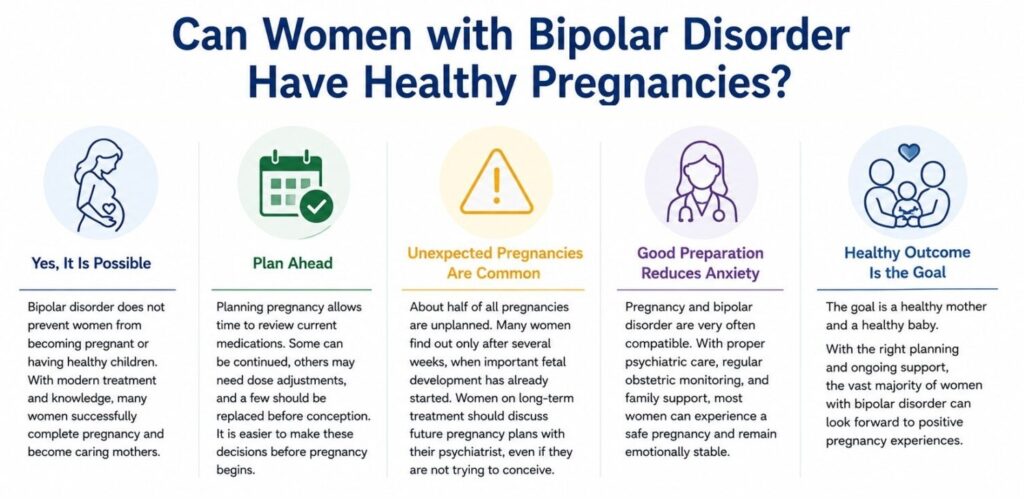
Can Women with Bipolar Disorder Have Healthy Pregnancies?
The simple answer is yes. Having bipolar disorder does not mean that a woman cannot become pregnant or have healthy children. Decades ago, women with severe psychiatric disorders were often discouraged from starting a family because doctors had limited treatment options and far less knowledge about medication safety during pregnancy. Fortunately, this view has changed considerably.
Today, specialists recognize that bipolar disorder itself is not a contraindication to pregnancy. Thousands of women with bipolar disorder successfully complete pregnancy every year and become caring mothers. The important difference is that pregnancy should ideally be planned rather than accidental.
Planning allows both the patient and her psychiatrist sufficient time to review the current treatment. Some medications can be continued safely, others may require dose adjustments, while a few should preferably be replaced before conception. These decisions are much easier to make before pregnancy begins than after the pregnancy has already been confirmed.
Unfortunately, approximately half of all pregnancies occur unexpectedly. Women often discover they are pregnant only after several weeks, when many important stages of fetal organ development have already taken place. For this reason, women of childbearing age who receive long-term treatment for bipolar disorder should discuss future pregnancy plans with their psychiatrist even if they are not actively trying to conceive at the moment.
Good preparation also reduces anxiety. Many women fear that pregnancy and bipolar disorder are incompatible, but this is rarely the case. With appropriate psychiatric care, regular obstetric monitoring, and support from family members, the vast majority of women are able to experience pregnancy safely while maintaining emotional stability.
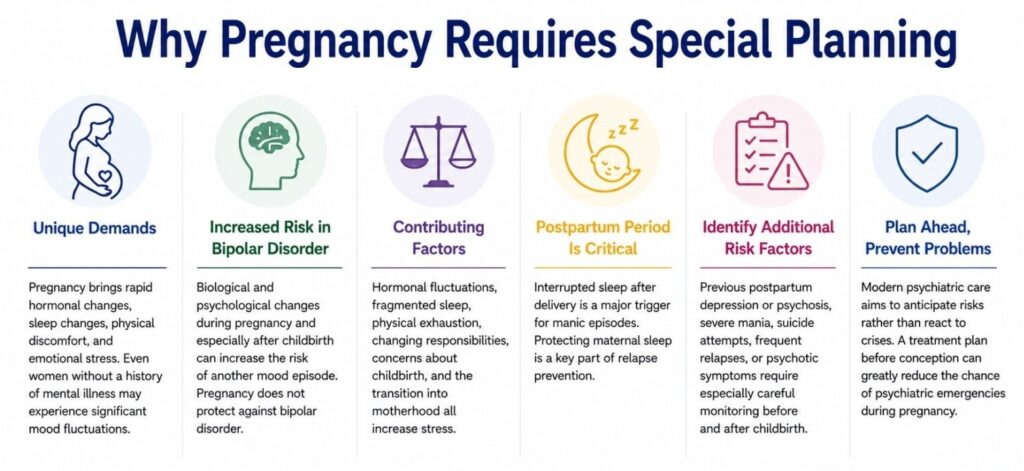
Why Pregnancy Requires Special Planning
Pregnancy places unique demands on both the body and the brain. Hormonal changes occur rapidly, sleep patterns change, physical discomfort increases, and emotional stress often becomes more pronounced. Even women without a history of mental illness may experience significant mood fluctuations during pregnancy or after childbirth.
For women with bipolar disorder, these biological and psychological changes may increase the risk of developing another mood episode. Pregnancy does not protect against bipolar disorder. In fact, current research suggests that pregnancy and especially the weeks following childbirth represent periods of increased vulnerability.
Several factors contribute to this increased risk. Hormonal fluctuations influence neurotransmitters that regulate mood. Sleep often becomes fragmented during late pregnancy and particularly after delivery. Physical exhaustion, changing family responsibilities, concerns about childbirth, and the transition into motherhood all create additional psychological stress.
The postpartum period deserves particular attention. New mothers often experience interrupted sleep because of infant feeding and care. Sleep deprivation is one of the best-known triggers of manic episodes in people with bipolar disorder. For this reason, protecting maternal sleep after delivery is often considered an important component of relapse prevention.
Planning pregnancy also allows psychiatrists to identify additional risk factors. Women who have previously experienced postpartum depression, postpartum psychosis, severe manic episodes, suicide attempts, frequent relapses, or psychotic symptoms require particularly careful monitoring before and after childbirth.
Rather than reacting to problems after they occur, modern psychiatric care aims to anticipate them. A carefully developed treatment plan before conception frequently reduces the likelihood of psychiatric emergencies during pregnancy.
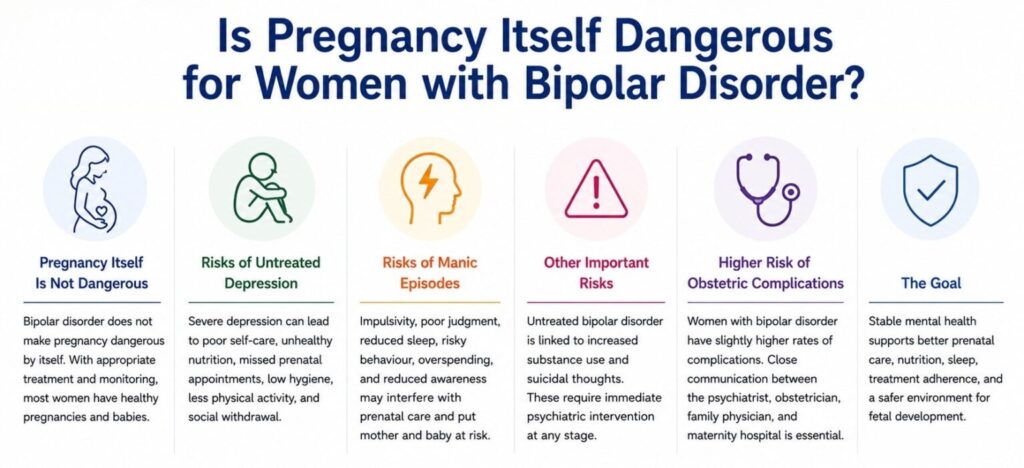
Is Pregnancy Itself Dangerous for Women with Bipolar Disorder?
Pregnancy itself is not dangerous because of bipolar disorder. However, untreated bipolar disorder may increase health risks for both the mother and the developing baby. During severe depressive episodes, many women lose motivation to care for themselves adequately. Healthy nutrition may deteriorate, prenatal appointments may be missed, personal hygiene may suffer, and physical activity may decrease significantly. Some women become socially isolated and withdraw from their support network.
Manic episodes create a different set of challenges. Increased impulsivity, poor judgment, overspending, reduced sleep, risky behaviour, and reduced awareness of illness may interfere with appropriate prenatal care. In severe cases, women may engage in behaviours that place both themselves and their unborn child at risk.
Untreated bipolar disorder has also been associated with increased substance use, including alcohol or recreational drugs, which may further complicate pregnancy and fetal development. Suicidal thoughts or self-harming behaviour requires immediate psychiatric intervention regardless of pregnancy stage.
Research also suggests that pregnant women with bipolar disorder experience slightly higher rates of obstetric complications compared with women without psychiatric illness. These risks make regular communication between the psychiatrist, obstetrician, family physician, and, when appropriate, the maternity hospital particularly important.
The goal of treatment is therefore not only symptom control. Stable maternal mental health contributes directly to healthier prenatal care, improved nutrition, better sleep, greater treatment adherence, and a safer environment for fetal development.
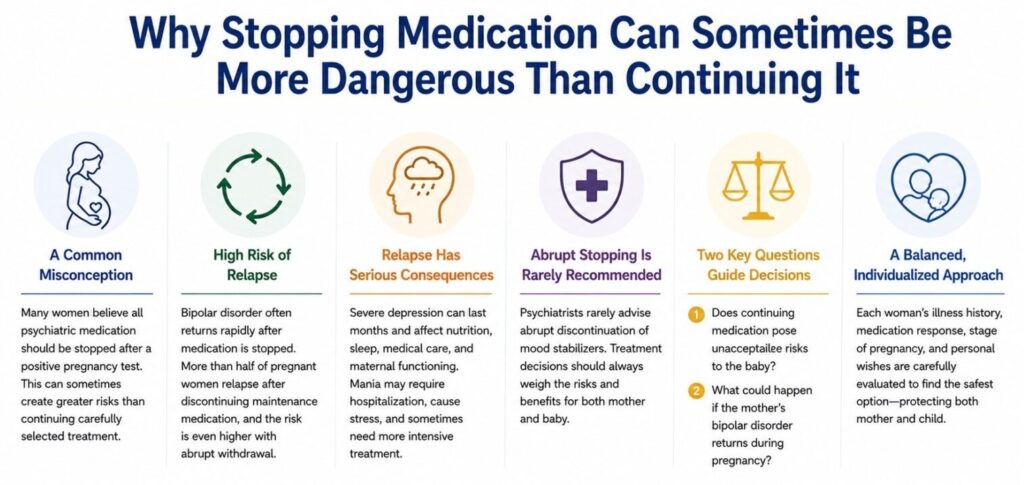
Why Stopping Medication Can Sometimes Be More Dangerous Than Continuing It
One of the most common misconceptions surrounding pregnancy is the belief that all psychiatric medication should be stopped immediately after a positive pregnancy test. Although this reaction is understandable, it can create greater risks than continuing carefully selected treatment.
Many women discontinue their medication out of concern that it may harm the baby. Unfortunately, bipolar disorder often returns rapidly after medication is withdrawn, particularly when treatment is stopped suddenly. Studies have shown that more than half of pregnant women experience relapse after discontinuing maintenance medication, and the risk increases even further when medication is stopped abruptly.
Relapse during pregnancy is not simply an emotional setback. A severe depressive episode may last several months and significantly impair nutrition, sleep, medical follow-up, and maternal functioning. A manic episode may require emergency hospitalization, expose both mother and baby to unnecessary stress, and occasionally require more intensive treatment than would otherwise have been necessary.
For these reasons, psychiatrists rarely recommend abrupt discontinuation of mood stabilizers. Instead, treatment decisions should always consider two important questions simultaneously.
The first question is whether continuing medication exposes the baby to unacceptable risks.
The second question is what could happen if the mother’s bipolar disorder returns during pregnancy.
The safest answer is often found somewhere between these two extremes. Rather than automatically stopping or continuing every medication, psychiatrists carefully evaluate each woman’s previous illness severity, relapse history, medication response, pregnancy stage, and personal wishes before making individualized recommendations.
This balanced approach has become the foundation of modern treatment for bipolar disorder during pregnancy and offers the greatest chance of protecting both mother and child.
Medication for Bipolar Disorder During Pregnancy
For many women, medication becomes the most difficult aspect of planning a pregnancy. Understandably, every expectant mother wants to minimize any potential risk to her baby. At the same time, bipolar disorder is not simply a temporary emotional problem. It is a chronic medical illness that can relapse quickly when treatment is interrupted. The challenge is therefore not deciding between medication and no medication but finding the safest balance between protecting the developing baby and maintaining the mother’s mental health.
One of the most important developments in modern psychiatry is the realization that untreated bipolar disorder may sometimes pose greater risks than carefully selected medication. Depression, mania, psychosis, severe sleep deprivation, substance misuse, suicidal behaviour, and poor prenatal care can all negatively affect both mother and child. For this reason, treatment decisions should never be based solely on the potential side effects of medication. They must also consider the risks associated with illness recurrence.
No psychiatric medication can currently be described as completely risk-free during pregnancy. Equally, very few medications are absolutely contraindicated in every circumstance. Instead, psychiatrists perform an individual benefit-risk assessment for each patient, taking into account her previous illness, response to medication, current stability, stage of pregnancy, and personal preferences. The goal is not necessarily to eliminate medication but to use the safest effective treatment while avoiding unnecessary exposure to drugs with a less favourable safety profile.
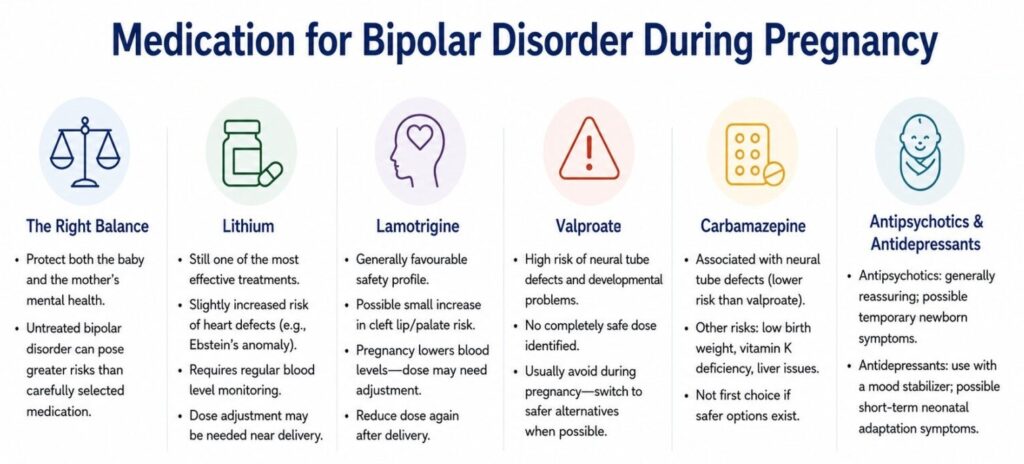
Lithium: Still One of the Most Important Treatments
Lithium has been used to treat bipolar disorder for more than seventy years and remains one of the most effective mood stabilizers available. It is particularly valuable because it reduces both manic and depressive relapses and has been shown to lower the risk of suicide in people with bipolar disorder.
For many years, lithium was considered almost incompatible with pregnancy because early reports suggested a very high rate of congenital heart defects. More recent research has shown that those early estimates were considerably exaggerated due to limitations in the original data collection. While lithium does increase the risk of certain cardiac malformations, particularly a rare condition known as Ebstein’s anomaly, the absolute risk remains relatively low. Although the risk is higher than in the general population, most pregnancies exposed to lithium result in healthy infants, and many cardiac abnormalities can now be successfully treated after birth.
Lithium treatment recommendations in pregnancy
This change in our understanding has significantly influenced modern treatment recommendations. Today, lithium is no longer viewed as a medication that must automatically be discontinued during pregnancy. Instead, it is often considered an appropriate option for women with severe bipolar disorder, especially when previous attempts to discontinue lithium resulted in relapse or when alternative medications have been ineffective.
Lithium treatment during pregnancy does, however, require careful monitoring. Pregnancy changes kidney function and body fluid balance, both of which influence lithium concentrations in the bloodstream. Blood levels therefore need to be checked regularly throughout pregnancy, and dosage adjustments may become necessary.
Near the time of delivery, lithium treatment requires additional planning. Because newborns eliminate lithium much more slowly than adults, many specialists recommend temporarily reducing or withholding lithium shortly before delivery in order to decrease the risk of temporary neonatal complications such as reduced muscle tone, feeding difficulties, or transient thyroid disturbances. These decisions should always be made jointly by the psychiatrist, obstetrician, and neonatal team.
Lamotrigine
Lamotrigine has become an increasingly important medication for bipolar disorder, particularly in patients whose illness is dominated by depressive rather than manic episodes. Many women tolerate lamotrigine well, and current evidence suggests that its overall safety profile during pregnancy is generally favourable.
Some studies have suggested a small increase in the risk of cleft lip or cleft palate, although the absolute risk remains low. Like all medications used during pregnancy, lamotrigine should therefore be prescribed only after careful assessment of potential benefits and risks.
One unique characteristic of lamotrigine is that pregnancy significantly increases the rate at which the body eliminates the medication. During the second and third trimesters, blood concentrations may decrease substantially even when the daily dose remains unchanged. As a result, some women experience worsening depressive symptoms simply because therapeutic drug levels fall.
For this reason, psychiatrists may recommend periodic blood tests and dose adjustments throughout pregnancy. After delivery, the body’s metabolism rapidly returns to normal, making it equally important to reduce the dosage again when appropriate to avoid excessive drug levels.
Valproate: Why It Should Usually Be Avoided
Among all medications used to treat bipolar disorder, valproate (valproic acid) deserves special attention because of its well-established association with fetal malformations and developmental problems.
Extensive research has demonstrated that valproate significantly increases the risk of neural tube defects such as spina bifida. It has also been associated with cognitive impairment, developmental delay, and neurodevelopmental disorders in exposed children. The risk increases with higher doses, although no completely safe dose has been identified.
Because of these findings, international treatment guidelines generally recommend avoiding valproate during pregnancy whenever suitable alternatives are available. Women of childbearing age who receive valproate should ideally discuss pregnancy plans with their psychiatrist well before conception so that safer medications can be considered.
For women who unexpectedly become pregnant while taking valproate, treatment decisions should never be made independently. Abrupt discontinuation may trigger severe relapse, and medication changes should always be supervised by an experienced psychiatrist.
Carbamazepine
Carbamazepine is another mood stabilizer that is used less frequently today than in previous decades. Like valproate, it has been associated with an increased risk of neural tube defects, although the absolute risk appears lower.
Other reported complications include low birth weight, vitamin K deficiency, and liver dysfunction in newborns. Because safer alternatives often exist, carbamazepine is generally not considered a first-line treatment for women planning pregnancy.
Antipsychotic Medications During Pregnancy
Many patients with bipolar disorder receive atypical antipsychotic medications either alone or together with mood stabilizers. These medications are frequently used to treat acute manic episodes, psychotic symptoms, mixed episodes, and, in some patients, long-term maintenance.
Current evidence regarding antipsychotics is reassuring overall, although experience differs between individual medications. Drugs such as quetiapine, olanzapine, and risperidone have been studied in several hundred pregnancies. While no major increase in congenital malformations has been consistently demonstrated, newborns exposed late in pregnancy may occasionally experience temporary symptoms such as muscle stiffness, irritability, feeding difficulties, or mild withdrawal symptoms that usually resolve with appropriate neonatal care.
As with all psychiatric medications, the decision to continue an antipsychotic during pregnancy depends on the severity of the mother’s illness and the expected benefits of treatment.
What About Antidepressants?
Depressive episodes are often the predominant problem during pregnancy for women with bipolar disorder. However, antidepressants require particular caution because they may occasionally trigger mania if prescribed without adequate mood stabilization.
When antidepressants are considered necessary, they are usually prescribed together with a mood stabilizer and under close psychiatric supervision.
Current evidence suggests that many antidepressants do not substantially increase the risk of major birth defects. However, newborns exposed during the final weeks of pregnancy may experience temporary adaptation symptoms, including irritability, rapid breathing, feeding difficulties, or tremor. These symptoms are generally short-lived and resolve within several days after birth.
Treatment decisions should therefore focus not only on possible medication risks but also on the serious consequences of untreated bipolar depression, which may impair maternal nutrition, prenatal care, and emotional bonding with the unborn child.
Breastfeeding While Taking Bipolar Medication
Medication safety during pregnancy and breastfeeding requires regular psychiatric and medical monitoring. Some medications, such as lithium, require blood level measurements, while others may need dose adjustments because pregnancy changes how the body processes them.
During breastfeeding, treatment decisions should balance the benefits of maternal mental stability with the potential transfer of medication into breast milk, ensuring the safest approach for both mother and baby.
Folic Acid and Bipolar Disorder During Pregnancy
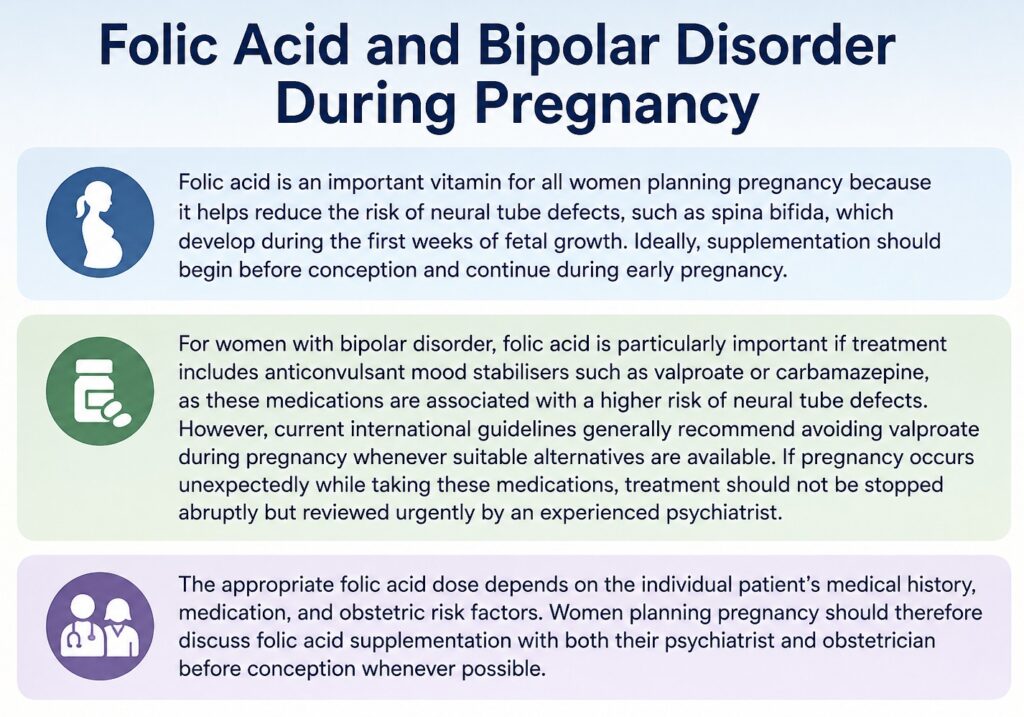
Folic acid is an important vitamin for all women planning pregnancy because it helps reduce the risk of neural tube defects, such as spina bifida, which develop during the first weeks of fetal growth. Ideally, supplementation should begin before conception and continue during early pregnancy.
For women with bipolar disorder, folic acid is particularly important if treatment includes anticonvulsant mood stabilisers such as valproate or carbamazepine, as these medications are associated with a higher risk of neural tube defects. However, current international guidelines generally recommend avoiding valproate during pregnancy whenever suitable alternatives are available. If pregnancy occurs unexpectedly while taking these medications, treatment should not be stopped abruptly but reviewed urgently by an experienced psychiatrist.
The appropriate folic acid dose depends on the individual patient’s medical history, medication, and obstetric risk factors. Women planning pregnancy should therefore discuss folic acid supplementation with both their psychiatrist and obstetrician before conception whenever possible.
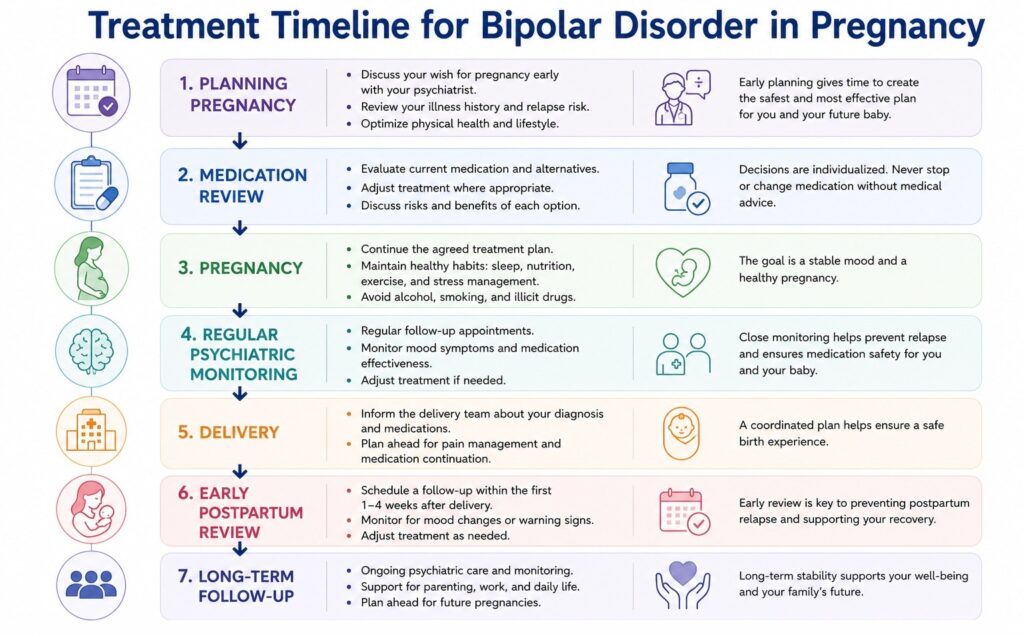
Treatment Timeline for Bipolar Disorder During Pregnancy
Managing bipolar disorder during pregnancy is a continuous process rather than a single decision. Care begins before conception with pregnancy planning and medication review, continues throughout pregnancy with regular psychiatric monitoring, and remains equally important after delivery.
The timeline below illustrates the key stages of care that help reduce relapse risk, optimise treatment, and support the health and well-being of both mother and baby.
Psychotherapy During Pregnancy
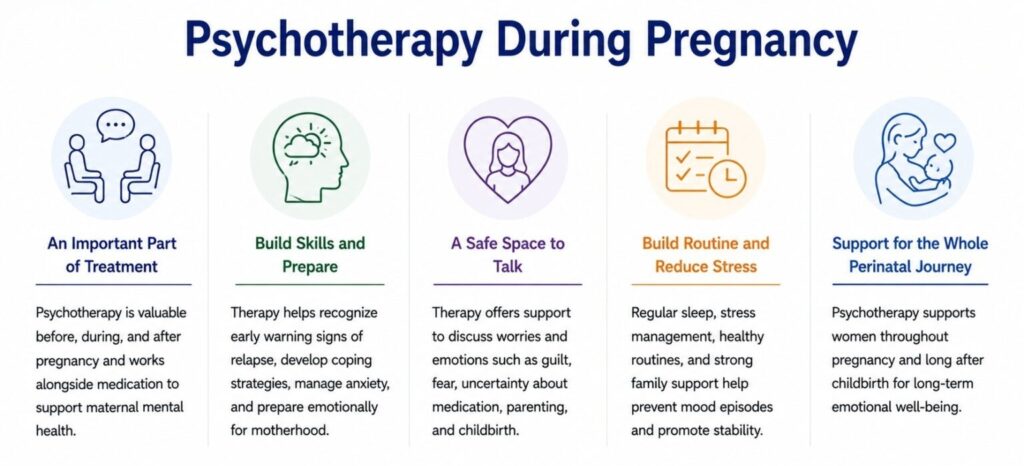
Medication is only one part of comprehensive treatment. Psychotherapy remains valuable before, during, and after pregnancy. Cognitive Behavioural Therapy (CBT), interpersonal therapy, supportive psychotherapy, and psychoeducation can help women recognize early warning signs of relapse, develop healthy coping strategies, manage anxiety, and prepare emotionally for motherhood.
Psychotherapy also provides a safe space to discuss concerns that many women hesitate to raise elsewhere. Feelings of guilt, fear of harming the baby, uncertainty about medication, worries about parenting, or anxiety regarding childbirth are common and entirely understandable.
Equally important is helping patients establish stable daily routines. Maintaining regular sleep, managing stress, reducing interpersonal conflict, and strengthening family support all reduce the likelihood of future mood episodes. For women with bipolar disorder, these non-pharmacological interventions remain important throughout pregnancy and long after childbirth.
The Postpartum Period and Bipolar Disorder
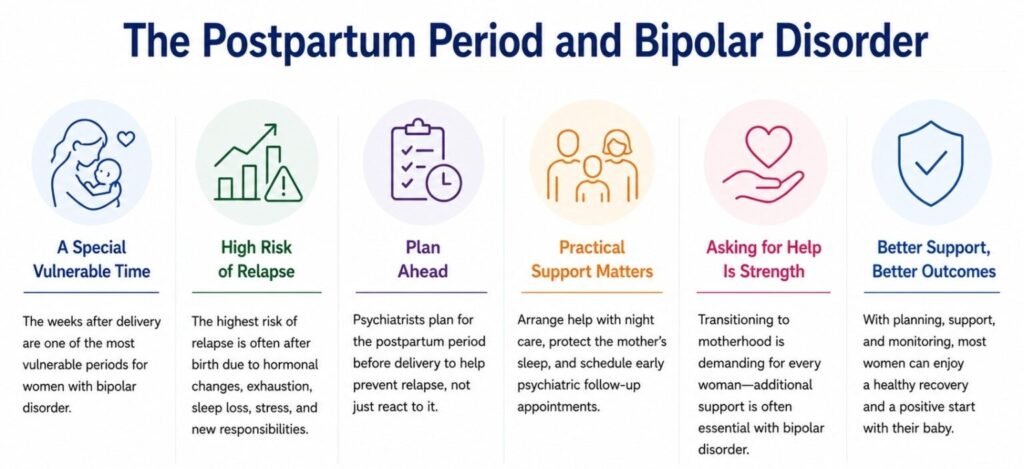
For many families, childbirth is one of life’s happiest moments. Yet for women with bipolar disorder, the weeks following delivery are also among the most vulnerable periods of the entire illness. While attention naturally focuses on the newborn, the mother’s mental health requires equally careful monitoring.
Many women are surprised to learn that the highest risk of relapse does not necessarily occur during pregnancy itself but after the baby is born. The dramatic hormonal changes following delivery, combined with physical exhaustion, interrupted sleep, emotional stress, and the responsibilities of caring for a newborn, can create ideal conditions for another mood episode.
For this reason, psychiatrists often begin planning the postpartum period long before delivery. The objective is not simply to react if symptoms appear, but to prevent relapse whenever possible.
Families are encouraged to prepare in advance. Practical arrangements, such as having relatives help with night-time infant care, ensuring the mother gets uninterrupted sleep whenever possible, and scheduling early psychiatric follow-up appointments, can make a substantial difference during the first weeks after birth.
Women should also understand that asking for help is not a sign of weakness. The transition to motherhood is physically and emotionally demanding for every woman. Living with bipolar disorder simply means that additional support and monitoring are often beneficial.
Recognizing Early Warning Signs of BD After Delivery
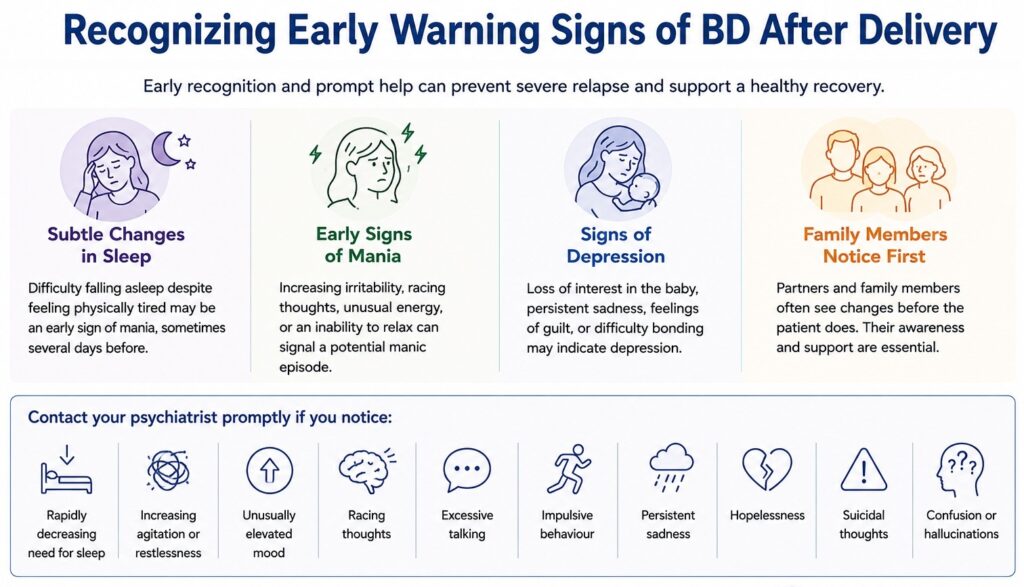
One of the most effective ways to prevent severe relapse is to recognize the earliest warning signs before symptoms become overwhelming. For some women, the first indication is not a dramatic manic episode but subtle changes in sleep. Difficulty falling asleep despite feeling physically tired may precede mania by several days. Others notice increasing irritability, racing thoughts, unusual energy, or an inability to relax.
Some women develop depression instead. They may lose interest in their baby, experience persistent sadness, feel overwhelmed by guilt, or struggle to bond emotionally with their newborn. Partners and family members frequently notice behavioural changes before the patient herself recognizes them. For this reason, educating family members about early warning signs forms an important part of bipolar disorder treatment.
Patients should contact their psychiatrist promptly if they notice:
- rapidly decreasing need for sleep
- increasing agitation or restlessness
- unusually elevated mood
- racing thoughts
- excessive talking
- impulsive behaviour
- persistent sadness
- hopelessness
- suicidal thoughts
- confusion or hallucinations
Early intervention often prevents hospitalization and allows treatment adjustments before symptoms become severe.
Postpartum Psychosis: A Psychiatric Emergency
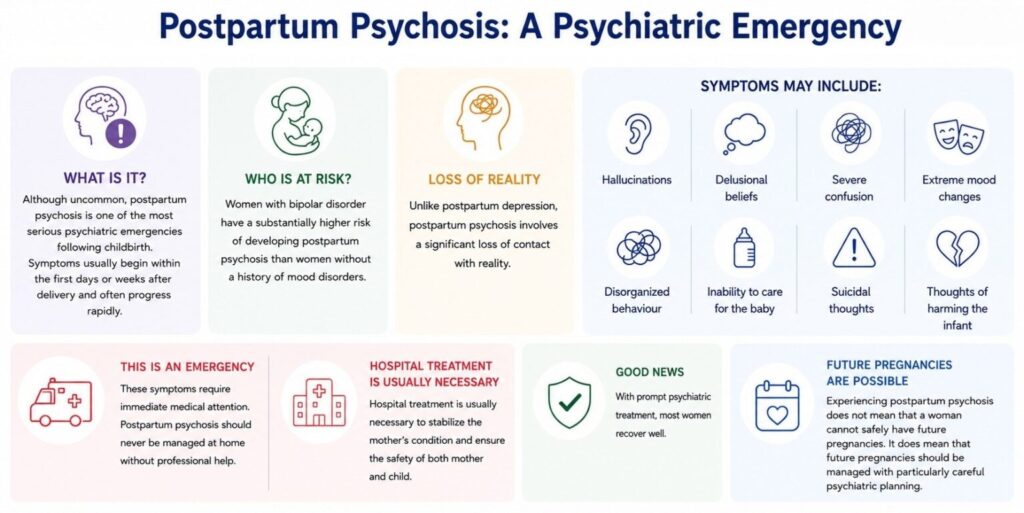
Although uncommon, postpartum psychosis represents one of the most serious psychiatric emergencies following childbirth. Women with bipolar disorder have a substantially higher risk of developing postpartum psychosis than women without a history of mood disorders. Symptoms usually begin within the first days or weeks after delivery and often progress rapidly.
Unlike postpartum depression, postpartum psychosis involves a significant loss of contact with reality.
Symptoms may include:
- hallucinations
- delusional beliefs
- severe confusion
- extreme mood changes
- disorganized behaviour
- inability to care for the baby
- suicidal thoughts
- thoughts of harming the infant
These symptoms require immediate medical attention. Postpartum psychosis should never be managed at home without professional help. Hospital treatment is usually necessary to stabilize the mother’s condition and ensure the safety of both mother and child. Fortunately, with prompt psychiatric treatment, most women recover well.
Importantly, experiencing postpartum psychosis does not mean that a woman cannot safely have future pregnancies. It does, however, mean that future pregnancies should be managed with particularly careful psychiatric planning.
Read More About Postpartum Psychosis
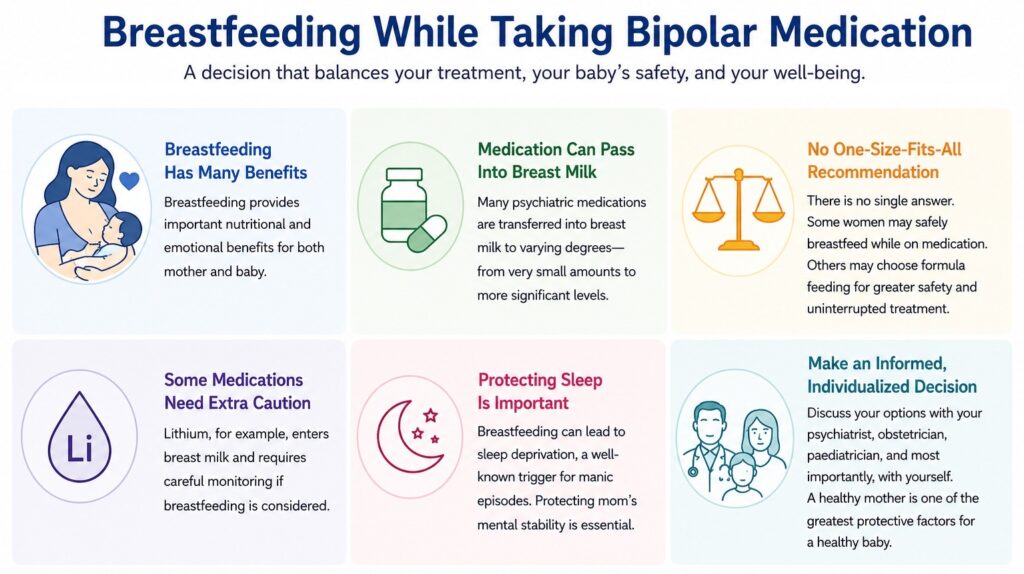
Breastfeeding While Taking Bipolar Medication
Many mothers hope to breastfeed their babies, and breastfeeding offers numerous nutritional and emotional benefits. At the same time, women treated for bipolar disorder often worry whether their medication could pass into breast milk.
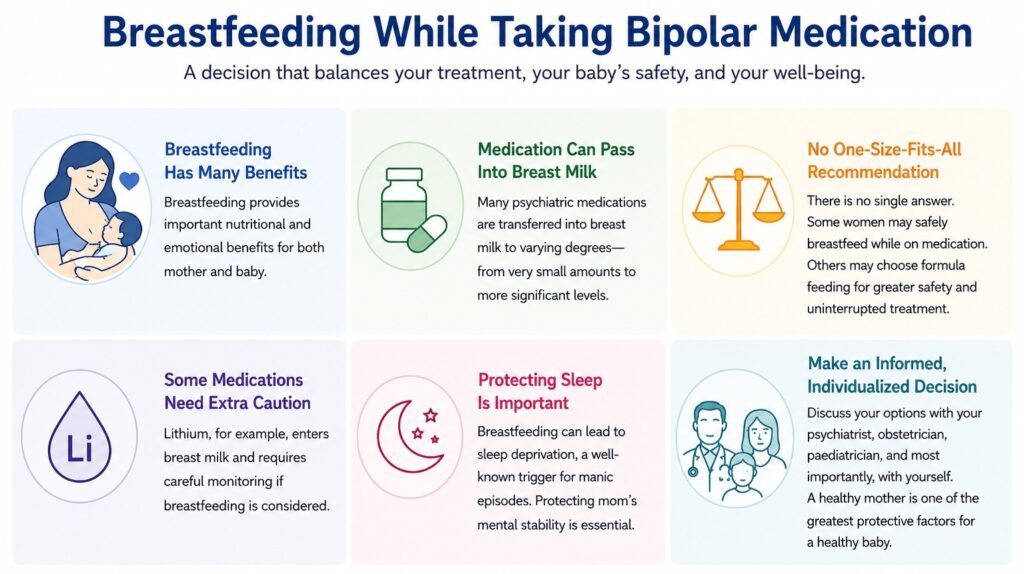
The answer depends on the specific medication. Many psychiatric medications are transferred into breast milk to varying degrees. For some drugs, only very small amounts reach the infant, while others require considerably greater caution. Lithium, for example, is known to enter breast milk, making breastfeeding decisions more complex and requiring careful monitoring when breastfeeding is considered.
There is therefore no single recommendation that applies to every mother. Some women may safely breastfeed while continuing medication. Others may decide that formula feeding provides the safest option because it allows uninterrupted maternal treatment and reduces the burden of night-time feeding.
It is important to remember that breastfeeding itself can contribute to maternal sleep deprivation. Since lack of sleep is a well-recognized trigger for manic episodes, preserving the mother’s mental stability sometimes becomes more important than breastfeeding exclusively. The decision should always be individualized after discussion with the psychiatrist, obstetrician, paediatrician, and, most importantly, the mother herself. A healthy mother is one of the greatest protective factors for a healthy baby.
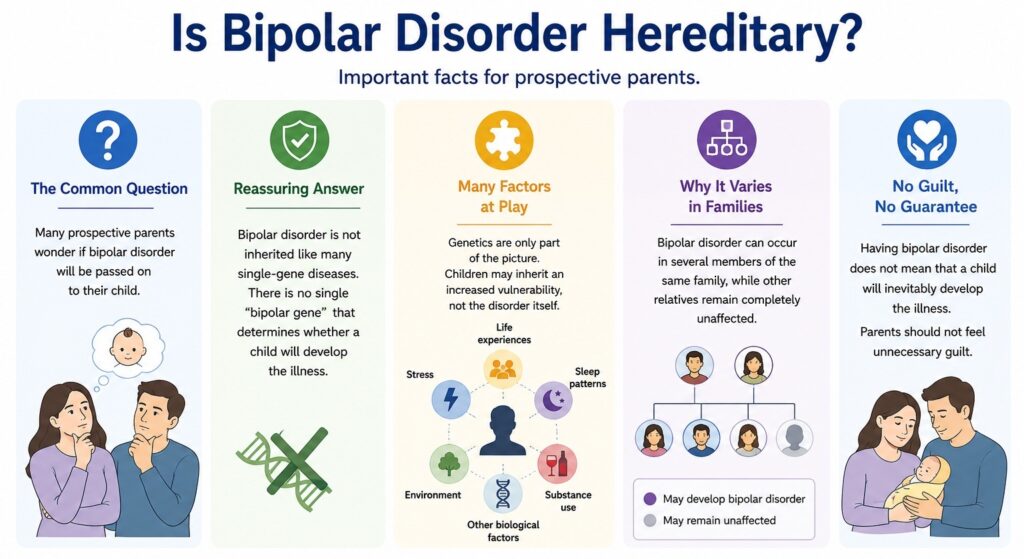
Is Bipolar Disorder Hereditary?
One of the questions almost every prospective parent asks is whether bipolar disorder will be passed on to their child. The answer is reassuring. Bipolar disorder is not inherited in the same way as many single-gene diseases. There is no single “bipolar gene” that determines whether a child will develop the illness.
Research clearly shows that genetics play an important role, but they represent only part of the picture. Children may inherit an increased vulnerability to bipolar disorder rather than the disorder itself. Whether the illness eventually develops depends on many interacting factors, including life experiences, stress, sleep patterns, environmental influences, substance use, and other biological factors.
This explains why bipolar disorder sometimes occurs in several members of the same family, while other relatives remain completely unaffected. Parents should therefore avoid unnecessary feelings of guilt. Having bipolar disorder does not mean that a child will inevitably develop the illness.
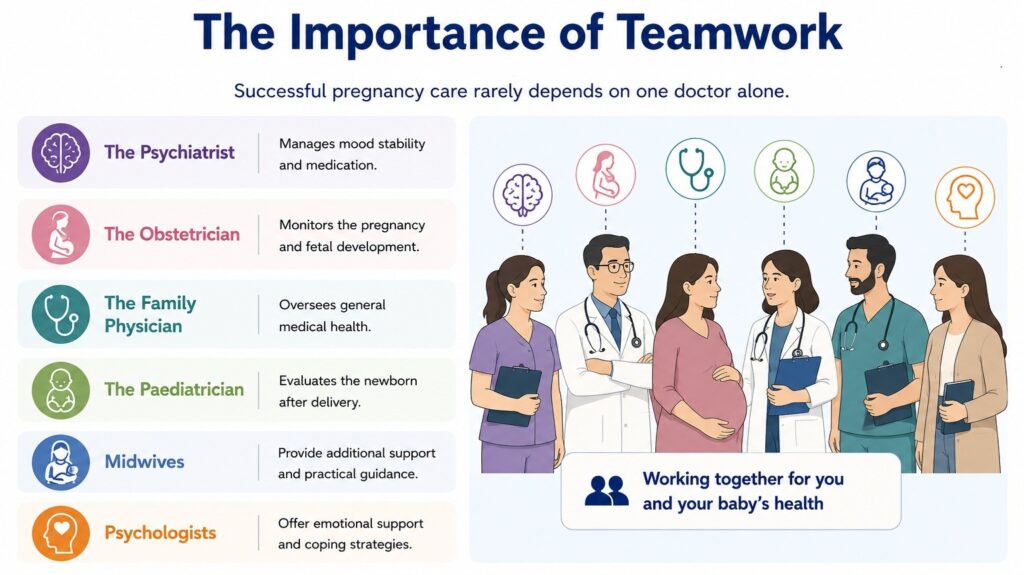
The Importance of Teamwork
Successful pregnancy care rarely depends on one doctor alone.
Women with bipolar disorder benefit most when several healthcare professionals work together:
The psychiatrist manages mood stability and medication.
The obstetrician monitors the pregnancy and fetal development.
The family physician oversees general medical health.
The paediatrician evaluates the newborn after delivery.
Midwives and psychologists may provide additional emotional support and practical guidance during pregnancy and after childbirth.
When each professional understands the treatment plan, care becomes safer and more coordinated. Patients should therefore inform every healthcare provider about their bipolar disorder and current medication, even if they believe it is unrelated to pregnancy.
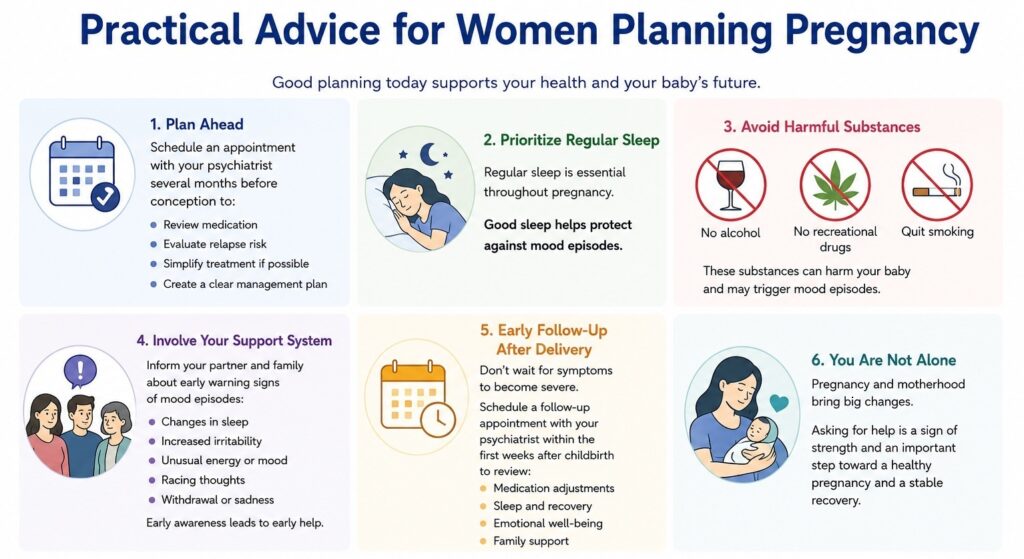
Practical Advice for Women Planning Pregnancy
The healthiest pregnancies usually begin long before conception. Women considering pregnancy should schedule an appointment with their psychiatrist several months beforehand. This provides enough time to review medication, evaluate relapse risk, simplify treatment where appropriate, and establish a clear management plan.
Regular sleep should remain a priority throughout pregnancy. Alcohol and recreational drugs should be avoided completely, and smoking cessation should be encouraged. Partners and family members should be informed about early warning signs of mood episodes so they can seek help promptly if changes occur.
After delivery, women should not wait until symptoms become severe before contacting their psychiatrist. An early follow-up appointment within the first weeks after childbirth allows medication adjustments and provides an opportunity to discuss sleep, emotional wellbeing, and family support.
Careful preparation rarely eliminates all uncertainty, but it greatly improves the chances of a healthy pregnancy and a stable postpartum recovery.
A Message of Reassurance
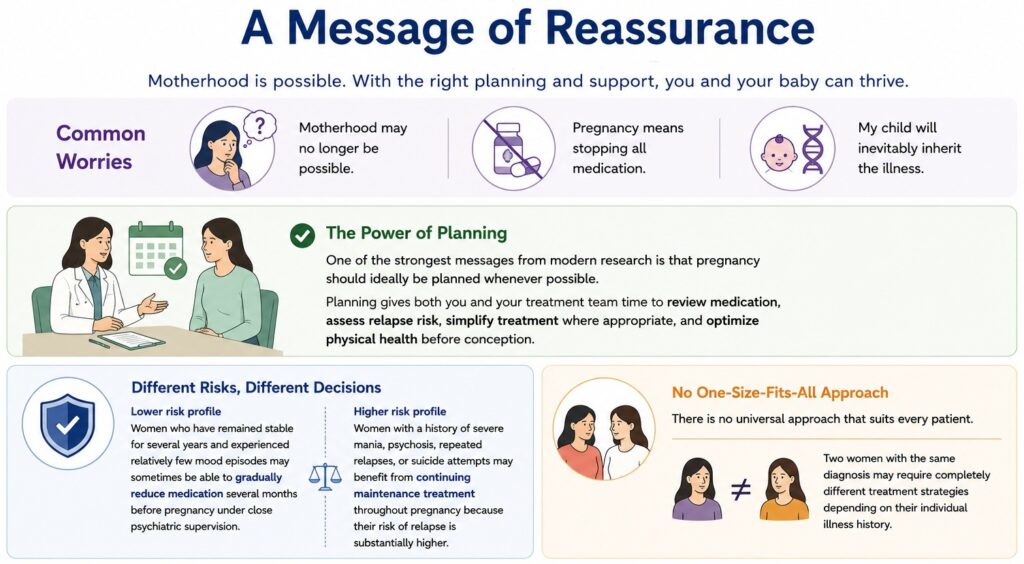
Many women diagnosed with bipolar disorder worry that motherhood may no longer be possible. Others fear that pregnancy automatically requires stopping all medication or that their child will inevitably inherit the illness. Fortunately, modern psychiatry offers safe treatment options during pregnancy in bipolar women. The core issue is that pregnancy should ideally be planned whenever possible. Planning gives both the patient and her treatment team time to review medication and assess relapse risk and simplify treatment where appropriate before conception.
Women who have remained stable for several years and experienced relatively few mood episodes may sometimes be able to gradually reduce medication several months before pregnancy under close psychiatric supervision. Others with a history of severe mania, psychosis, repeated relapses, or suicide attempts may benefit from continuing maintenance treatment throughout pregnancy because their risk of relapse is substantially higher.
Importantly, there is no universal approach that suits every patient. Two women with the same diagnosis may require completely different treatment strategies depending on their individual illness history. If you are living with bipolar disorder and are planning a pregnancy, are already pregnant, or have recently given birth, speaking with an experienced psychiatrist as early as possible can help you make informed decisions based on your own medical history rather than fear or uncertainty.
At CHMC – German Clinic for Psychiatry and Psychology in Dubai, we provide comprehensive assessment, medication management, psychotherapy, and close collaboration with obstetric specialists to help women navigate pregnancy safely while maintaining long-term emotional stability.
Every pregnancy is different. The safest treatment plan depends on your previous mood episodes, medication response, medical history, and personal wishes. If you are planning a pregnancy, are already pregnant, or recently delivered, arrange a consultation with an experienced psychiatrist as early as possible. Careful planning before conception offers the best opportunity for a healthy pregnancy, a stable postpartum period, and the well-being of both mother and baby.
For support contact our consultant psychiatrist, Dr. Kowal
Frequently Asked Questions
Can women with bipolar disorder have healthy pregnancies?
Yes. Most women with bipolar disorder can have healthy pregnancies and healthy babies. Careful planning, regular psychiatric follow-up, appropriate obstetric care, and individualized treatment greatly reduce the risk of complications for both mother and child.
Should I stop my bipolar medication if I become pregnant?
No. Never stop psychiatric medication without consulting your psychiatrist. Abruptly discontinuing treatment can trigger a severe relapse, which may pose greater risks to both mother and baby than carefully selected medication.
Can pregnancy trigger bipolar disorder?
Pregnancy itself does not usually cause bipolar disorder, but the hormonal, physical, and emotional changes associated with pregnancy may trigger a mood episode in women who already have the condition or who are genetically vulnerable.
What is the highest-risk period for relapse?
The first weeks after childbirth carry the highest risk of relapse. Hormonal changes, sleep deprivation, and the demands of caring for a newborn make the postpartum period particularly vulnerable.
What is postpartum psychosis?
Postpartum psychosis is a rare but serious psychiatric emergency characterised by hallucinations, delusions, severe confusion, disorganised behaviour, or extreme mood changes shortly after childbirth. It requires immediate hospital assessment and treatment.
Can I breastfeed while taking bipolar medication?
The answer depends on the medication. Some psychiatric medications are compatible with breastfeeding, while others require closer monitoring or may not be recommended. The decision should always be individualized.
Is lithium safe during pregnancy?
Lithium can be an appropriate treatment for some women with severe bipolar disorder. Although it slightly increases the risk of certain congenital heart defects, many women safely continue lithium during pregnancy under specialist supervision with regular blood level monitoring.
Is lamotrigine safe during pregnancy?
Lamotrigine is generally considered one of the safer mood stabilizers during pregnancy, particularly for women whose illness is dominated by depressive episodes. Dose adjustments are often required because pregnancy changes how the medication is metabolized.
Why should valproate usually be avoided during pregnancy?
Valproate is associated with a significantly increased risk of birth defects and developmental disorders, including neural tube defects. International treatment guidelines generally recommend avoiding valproate whenever suitable alternatives are available.
Can antidepressants be used during pregnancy?
Sometimes. In women with bipolar disorder, antidepressants are usually prescribed only together with a mood stabilizer because antidepressants alone may trigger mania in susceptible individuals.
Will my child inherit bipolar disorder?
No. Bipolar disorder is not directly inherited. Children may inherit an increased genetic susceptibility, but environmental, psychological, and biological factors all influence whether the illness eventually develops.
Is psychotherapy useful during pregnancy?
Yes. Psychotherapy helps women manage anxiety, recognize early warning signs of relapse, develop coping strategies, prepare for motherhood, and maintain emotional stability throughout pregnancy and after delivery.
Who should manage my pregnancy?
Ideally, pregnancy should be managed by a multidisciplinary team that includes a psychiatrist, obstetrician, family physician, paediatrician, and, when appropriate, psychologists or midwives.
Can I have another child after postpartum psychosis?
Yes. Many women have successful future pregnancies after postpartum psychosis. However, because the risk of recurrence is higher, future pregnancies require careful psychiatric planning and close monitoring.
How early should I speak with a psychiatrist if I want to become pregnant?
Ideally, several months before trying to conceive. Early planning allows time to review medication, assess relapse risk, optimize treatment, and improve physical health before pregnancy begins.
What are the earliest warning signs of relapse after delivery?
Early warning signs may include reduced need for sleep, increasing irritability, racing thoughts, unusual energy, persistent sadness, withdrawal from the baby, or difficulty bonding. Early psychiatric intervention often prevents severe relapse.
Can sleep deprivation trigger bipolar disorder?
Sleep deprivation is one of the strongest triggers of manic episodes in people with bipolar disorder. Protecting sleep during late pregnancy and especially after delivery is therefore an important part of relapse prevention.
Should my partner be involved in treatment?
Yes. Partners and close family members often recognize early behavioural changes before the patient notices them. Their support can help ensure that treatment is adjusted promptly if symptoms begin to return.
Can bipolar disorder affect fertility?
Bipolar disorder itself does not usually reduce fertility. However, some medications, lifestyle factors, or co-existing medical conditions may influence reproductive health. Discuss any concerns with your psychiatrist and obstetrician.
Is a Caesarean section necessary because of bipolar disorder?
No. Bipolar disorder alone is not an indication for Caesarean delivery. The mode of delivery is determined by obstetric considerations rather than the psychiatric diagnosis.
Can stress during pregnancy increase relapse risk?
Yes. Emotional stress, sleep disruption, relationship difficulties, and major life events may all increase the likelihood of a mood episode. Maintaining healthy routines and regular psychiatric follow-up helps reduce this risk.
Should I take folic acid if I have bipolar disorder?
Yes. Women planning pregnancy should begin folic acid supplementation before conception. This is especially important if anticonvulsant medications such as valproate or carbamazepine are being used, although these medications are generally avoided whenever possible during pregnancy.
Can bipolar disorder be diagnosed during pregnancy?
Yes. Some women first receive a bipolar disorder diagnosis during pregnancy, particularly if depressive symptoms are followed by hypomania or mania. An accurate diagnosis is essential because treatment differs from that for depression alone.
When should I seek immediate psychiatric help?
You should seek urgent medical attention if you experience suicidal thoughts, hallucinations, severe confusion, extreme mood changes, inability to sleep for several nights, behaviour that places you or your baby at risk, or symptoms suggestive of postpartum psychosis.
Can ECT Be Used During Pregnancy?
In rare situations, such as severe depression with suicidality, catatonia, or severe mania when medication is ineffective or cannot be used safely, electroconvulsive therapy (ECT) may be considered. Modern ECT can be performed safely during pregnancy in experienced centers.
Read More About Bipolar Disorder
- Treatment for Bipolar Disorder
- Symptoms of Bipolar Disorder
- Diagnosis of Bipolar Disorder
- Self-Test for Bipolar Disorder
- Psychiatrist for Bipolar Disorder
- Medication for Bipolar Disorder
- Psychotherapy for Bipolar Disorder
- Causes of Bipolar Disorder
- Bipolar I vs Bipolar II Disorder
- What is Rapid Cycling?
- Bipolar Disorder and Sleep
- Living with Bipolar Disorder
- Relationships, Family, Everyday Life with BD
- Long Term Recovery & Quality of Life with BD
- Family Support in Bipolar Disorder
- What is Mania and Hypomania?
- Cyclothymic Disorder
- History of Bipolar Disorder
- CANMAT Guidelines for Bipolar Disorder
- Mood Stabilizers for Bipolar Disorder
- Lithium for Bipolar Disorder
Medically reviewed by Dr. Gregor Kowal

DR. GREGOR KOWAL
Dr. Gregor Kowal is a German-certified consultant in Psychiatry and Psychotherapy. Since 2010, Dr. Kowal has been the Medical Director of CHMC, a psychiatric clinic located in Dubai. Dr. Kowal graduated from the prestigious University of Heidelberg. After completing his specialty training, he held leadership and teaching positions, serving as Head of Department and later as Medical Director at renowned psychiatric hospitals across Germany. In addition to his expertise in psychiatry, Dr. Kowal is trained as a psychotherapist with a foundation in psychoanalytical psychotherapy.