

Living with bipolar disorder can feel like living between two emotional extremes. During manic episodes people may feel unstoppable, while depressive episodes can make even simple daily tasks overwhelming. Fortunately, modern treatment for bipolar disorder helps most patients achieve long-term stability.
At CHMC, the German Psychiatric Clinic in Dubai, we offer comprehensive assessment and treatment for bipolar disorder.
Every treatment plan is individualised and based on current international standards and evidence-based guidelines. We also support family members who are often affected by the challenges of the illness and play an important role in long-term recovery.
With an accurate diagnosis, appropriate medication, psychotherapy, and long-term follow-up, most people with bipolar disorder can achieve lasting mood stability and lead productive, fulfilling lives.
Schedule an appointment with our leading psychiatrist, Dr. Kowal
What Is Bipolar Disorder?
Bipolar disorder, earlier called “manic-depressive illness,” is a severe and usually persistent mental disorder characterized by mood fluctuation between two opposite extremes: depression and mania.
There are four possible types of mood episodes in bipolar disorder: mania, hypomania, depression, and mixed episodes.
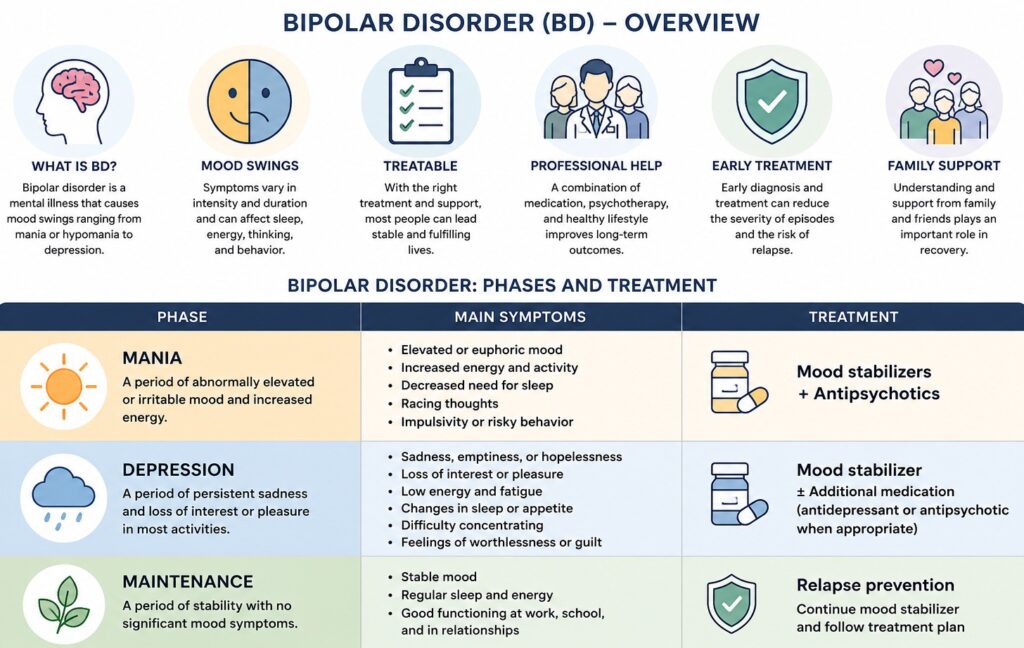
Treatment Journey for Bipolar Disorder
Treatment for bipolar disorder is a long-term journey rather than a single event. It begins with a comprehensive psychiatric assessment to establish an accurate diagnosis and develop an individual treatment plan.
During the first weeks, medication is carefully adjusted while symptoms and possible side effects are closely monitored. As mood becomes more stable, the focus gradually shifts toward psychotherapy, stress management, and building healthy daily routines.
Once stability has been achieved, ongoing maintenance treatment aims to prevent future episodes through regular psychiatric follow-up, medication when indicated, and early recognition of warning signs. With consistent treatment and good adherence, many people with bipolar disorder are able to maintain emotional stability, continue working, enjoy healthy relationships, and lead active, fulfilling lives.
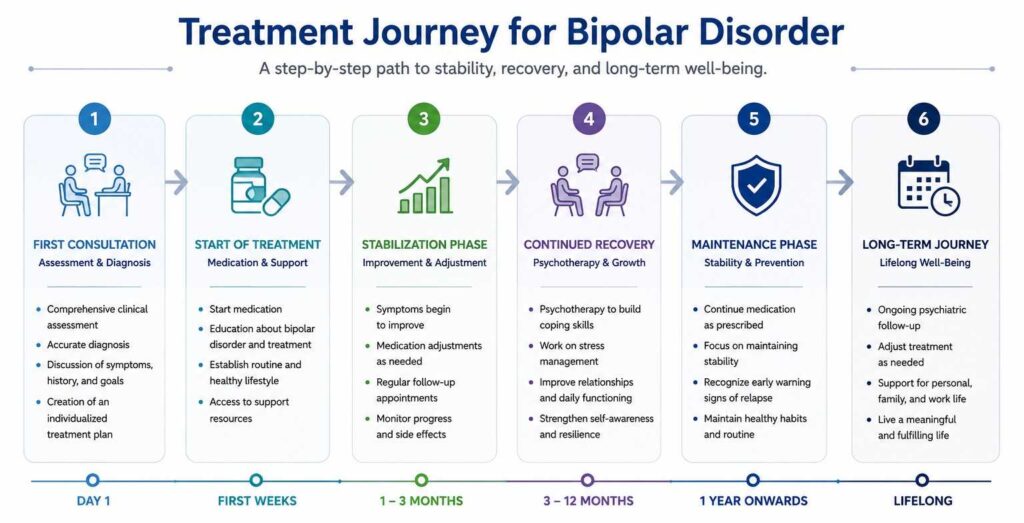
Evidence-Based Treatment Pyramid
Successful bipolar disorder treatment usually combines three elements: medication to stabilise mood, psychotherapy to support long-term management, and healthy routines that reduce relapse risk. The relative importance of each component depends on the current phase and severity of the disorder.
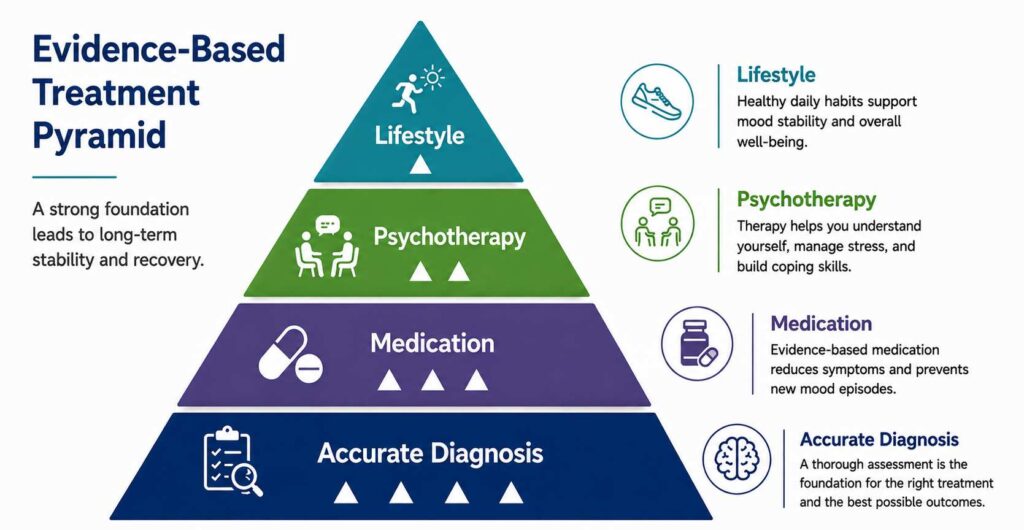
Treatment With Medication for Bipolar Disorder
Treatment with medication for bipolar disorder is one of the biggest challenges in the field of psychiatry. The patient with bipolar disorder can be compared with someone balancing on a tightrope between two extremes: mania and depression. Adding too much weight on one side can lead to a relapse.
Medication used for the treatment of bipolar disorder belongs to three main categories: mood stabilizers, antipsychotics, and antidepressants.
Read More About Medication for Bipolar disorder
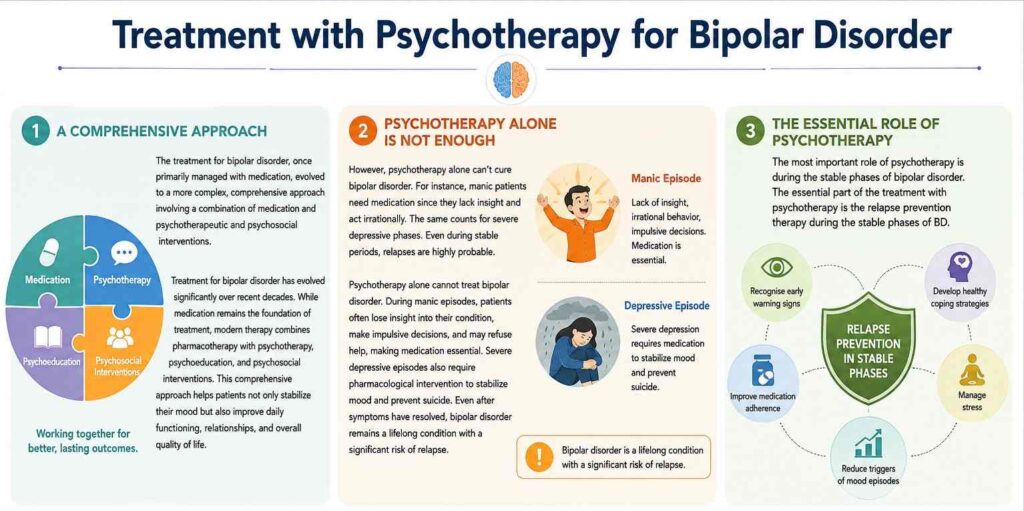
Treatment with Psychotherapy for Bipolar Disorder
Treatment for bipolar disorder has evolved significantly over recent decades. While medication remains the foundation of treatment, modern therapy combines pharmacotherapy with psychotherapy, psychoeducation, and psychosocial interventions. Psychotherapy alone cannot treat bipolar disorder. During manic episodes, patients often lose insight into their condition and may refuse help, making medication essential. Severe depressive episodes also require pharmacological intervention to stabilize mood and prevent suicide.
The most important role of psychotherapy is during the stable phases of bipolar disorder. Therapy helps patients recognise early warning signs of relapse and develop healthy coping strategies. Combined treatment offers the best long-term outcomes and significantly reduces the frequency and severity of future mood episodes.
Read More About Psychotherapy for Bipolar Disorder
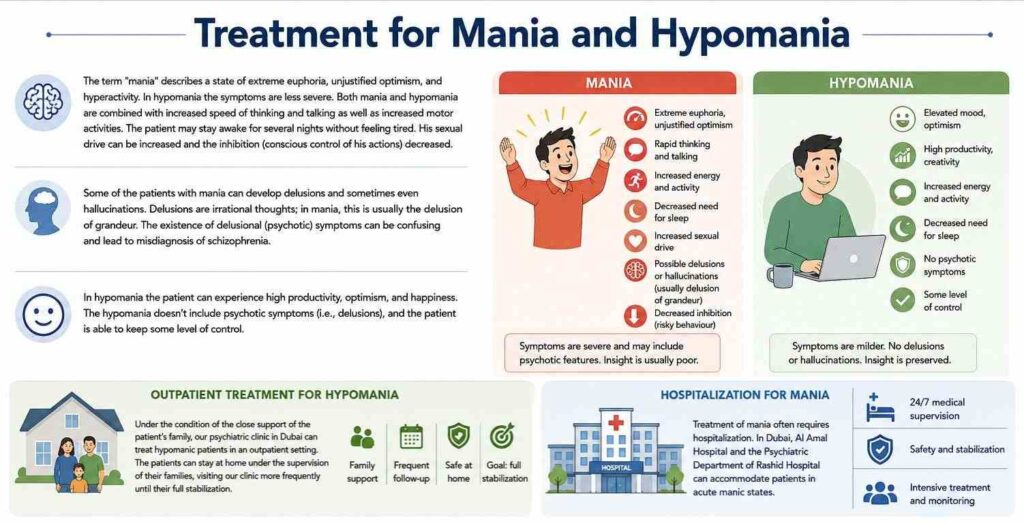
Treatment for Mania and Hypomania
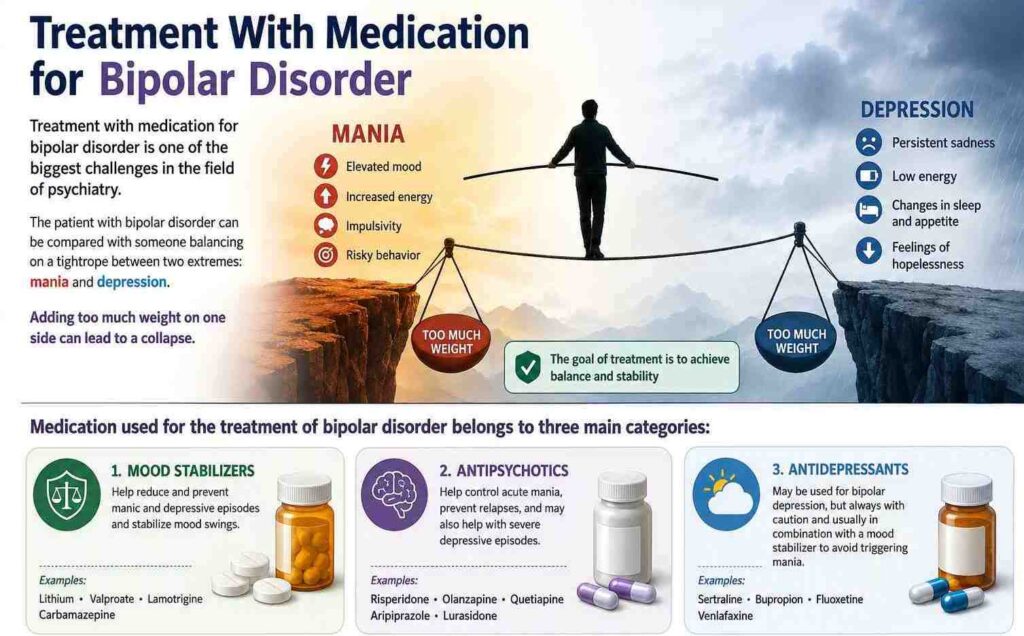
Mania is a severe state of elevated or irritable mood, increased energy, reduced need for sleep and impaired judgement, while hypomania is less severe and does not cause the same degree of functional impairment.
The treatment for mania and hypomania addresses the elevated mood, energy levels, and sleeplessness to calm the symptoms quickly and prevent risky behaviour. Under the condition of the close support of the patient’s family, our psychiatric clinic in Dubai can treat hypomanic patients in an outpatient setting. The patients can stay at home under the supervision of their families, visiting our clinic more frequently until their full stabilization.
Treatment of mania often requires hospitalization. In Dubai, Al Amal Hospital and the Psychiatric Department of Rashid Hospital can accommodate patients in acute manic states.
Read more about Mania and hypomania
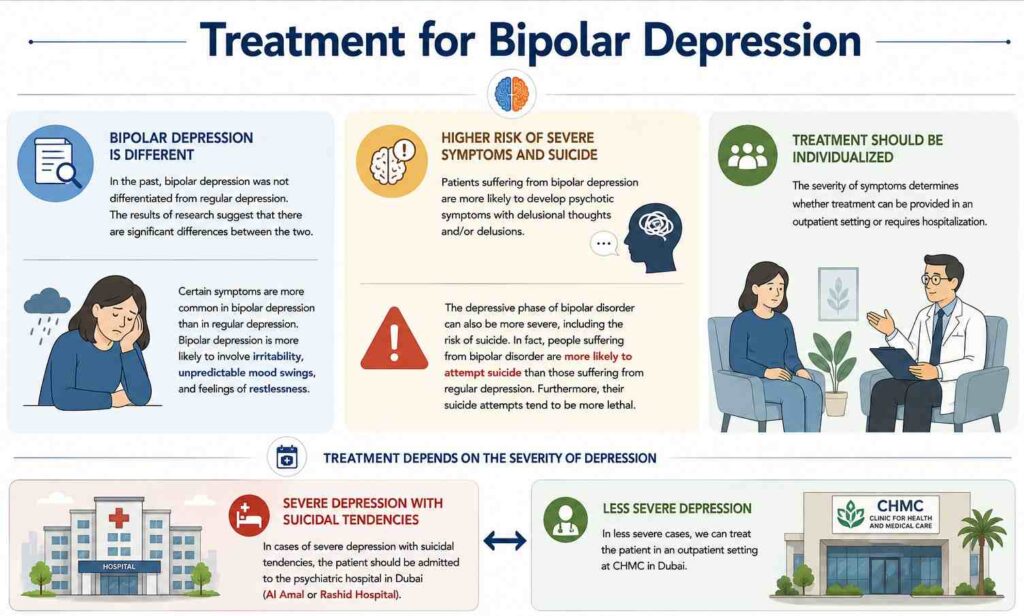
Treatment for Bipolar Depression
In the past, bipolar depression was not differentiated from regular depression. Bipolar depression is more likely to involve irritability, unpredictable mood swings, and feelings of restlessness.
The depressive phase of bipolar disorder can also be more severe, including the risk of suicide. In fact, people suffering from bipolar disorder are more likely to attempt suicide than those suffering from regular depression. Furthermore, their suicide attempts tend to be more lethal. In cases of severe depression with suicidal tendencies, the patient should be admitted to the psychiatric hospital in Dubai (Al Amal or Rashid Hospital). In less severe cases, we can treat the patient in an outpatient setting at CHMC in Dubai.
Depression vs Bipolar Depression
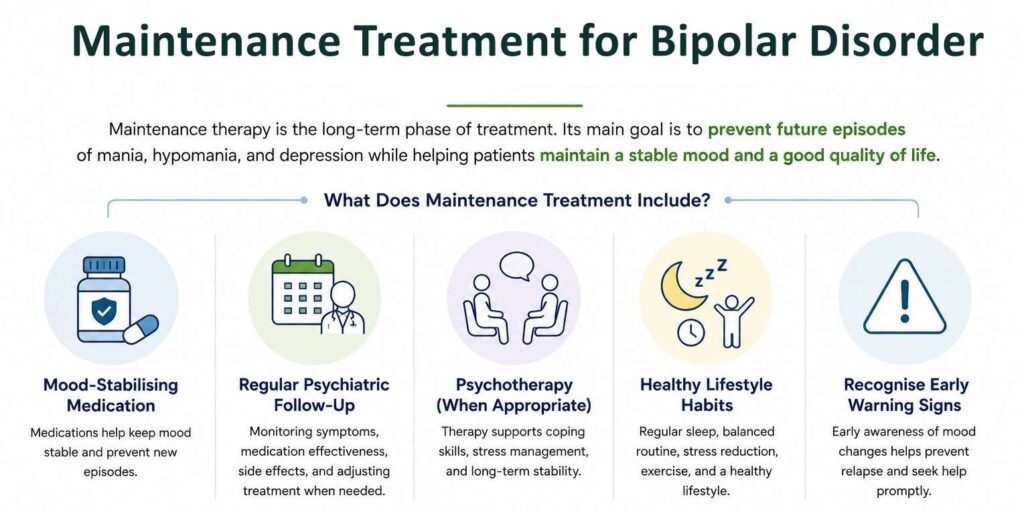
Maintenance Treatment for Bipolar Disorder
Maintenance therapy is the long-term phase of bipolar disorder treatment. Its main goal is to prevent future episodes of mania, hypomania and depression while maintaining mood stability and everyday functioning. Even when symptoms have completely resolved, the underlying vulnerability to bipolar disorder usually remains. For this reason, stopping treatment too early can significantly increase the risk of relapse.
Maintenance treatment typically includes mood-stabilising medication, regular psychiatric follow-up and, when appropriate, psychotherapy. During follow-up appointments, the psychiatrist monitors mood stability, evaluates the effectiveness and tolerability of medication and adjusts treatment when necessary. Particular attention is given to detecting early changes that may indicate the beginning of a new depressive, hypomanic or manic episode.
The duration of maintenance treatment depends on the individual course of the disorder, including the number and severity of previous episodes, the risk of relapse and the response to treatment. Because bipolar disorder is usually a long-term condition, many patients require treatment for several years and some benefit from lifelong maintenance therapy.
Hospital Treatment for Bipolar Disorder
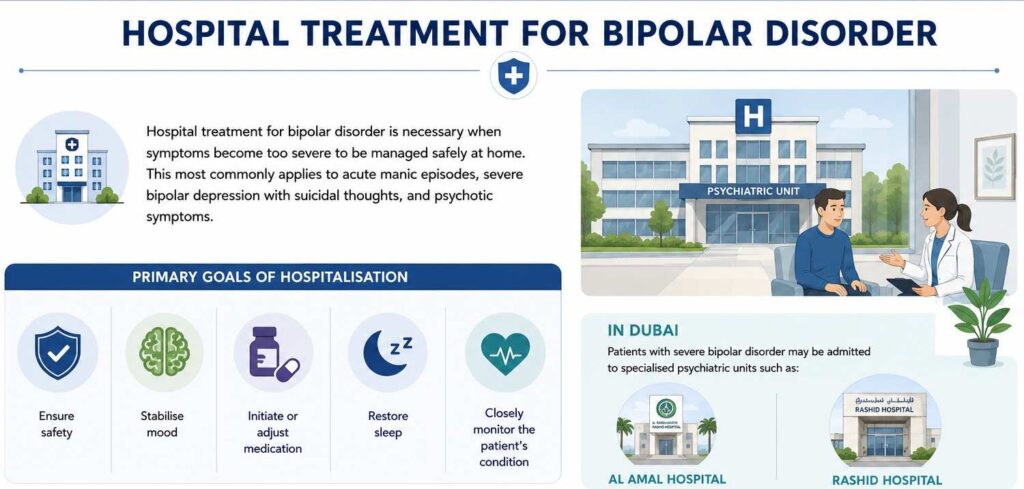
Hospital treatment for bipolar disorder is necessary when symptoms become too severe to be managed safely at home. This most commonly applies to acute manic episodes, severe bipolar depression with suicidal thoughts, and psychotic symptoms.
The primary goals of hospitalisation are to ensure safety, stabilise mood, initiate or adjust medication, restore sleep, and closely monitor the patient’s condition. In Dubai, patients with severe bipolar disorder may be admitted to specialised psychiatric units such as Al Amal Hospital or Rashid Hospital. Once symptoms have stabilised, treatment usually continues on an outpatient basis with regular psychiatric follow-up and psychotherapy.
When Is Hospital Treatment Necessary for Bipolar Disorder?
What Can Patients Do Themselves?
Medication and regular psychiatric care are the foundation of bipolar disorder treatment, but patients can also do a great deal to support long-term mood stability. Daily routines and awareness of personal relapse triggers can complement medical treatment and help identify changes before they develop into a full mood episode.
Maintaining a regular sleep schedule is particularly important. Sleep deprivation and major changes in sleep patterns can contribute to both manic and depressive episodes. Keeping relatively consistent sleeping and waking times can therefore help protect mood stability.
Avoiding alcohol and recreational drugs is also important because these substances can disturb sleep, worsen mood instability, interfere with psychiatric medication and increase the risk of relapse.
Regular physical exercise, a structured daily routine and effective stress management can support both mental and physical well-being. Patients should also be aware of situations that have previously contributed to mood instability, such as prolonged stress, disrupted sleep or major changes in daily routine.
Keeping a mood diary can help track changes in mood, sleep, energy and medication response over time. This may reveal individual patterns and provide useful information during psychiatric follow-up appointments.
Recognising early warning signs of relapse is one of the most important self-management skills. Reduced need for sleep, increasing energy, irritability or racing thoughts may precede mania or hypomania, while persistent sadness, loss of interest, fatigue or social withdrawal may signal the beginning of a depressive episode. Recognising these changes early and contacting the treating psychiatrist allows treatment to be reviewed before symptoms become more severe.
Treatment Goals for Bipolar Disorder
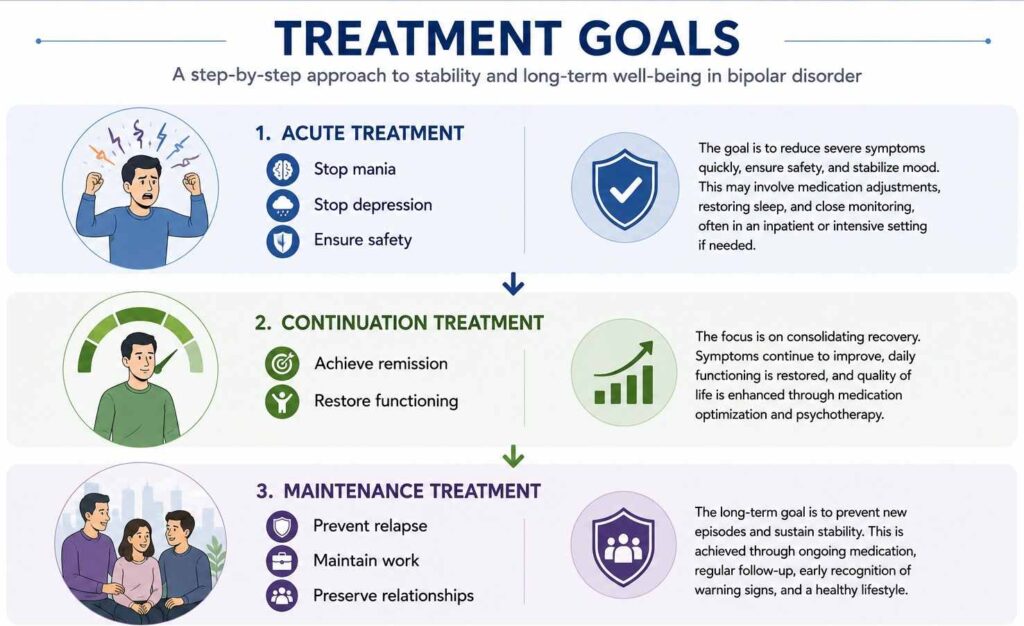
Treatment goals change as recovery progresses. During the acute phase, the priority is to stop mania or bipolar depression, ensure the patient’s safety, and stabilise mood as quickly as possible.
Once symptoms improve, continuation treatment focuses on achieving full remission and restoring normal daily functioning.
The final stage is maintenance treatment, which aims to prevent future mood episodes, preserve work and relationships, and support long-term emotional stability.
Prognosis of Bipolar Disorder: Will I Recover?
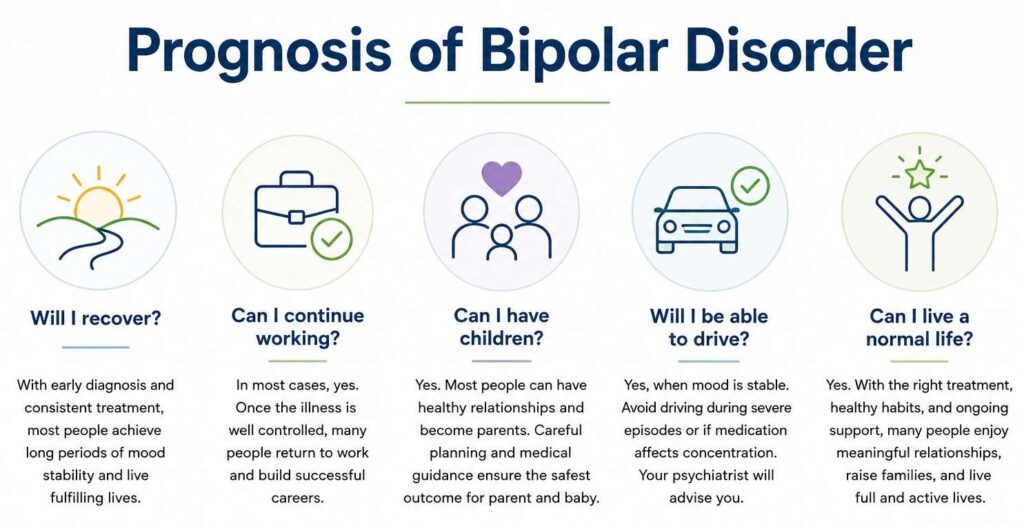
Although bipolar disorder is usually a lifelong condition, effective treatment can substantially reduce the frequency and severity of mood episodes. With appropriate medication, psychotherapy, regular psychiatric follow-up and recognition of early warning signs, many patients achieve long periods of mood stability.
Once the disorder is well controlled, many people with bipolar disorder work, maintain relationships, raise families and lead active lives. Long-term outcomes depend on factors such as the severity and frequency of previous episodes, treatment adherence, substance use and early intervention when symptoms return.
Read more about Long-Term Recovery and Quality of Life with Bipolar Disorder
Treatment for Bipolar Disorder at CHMC Dubai
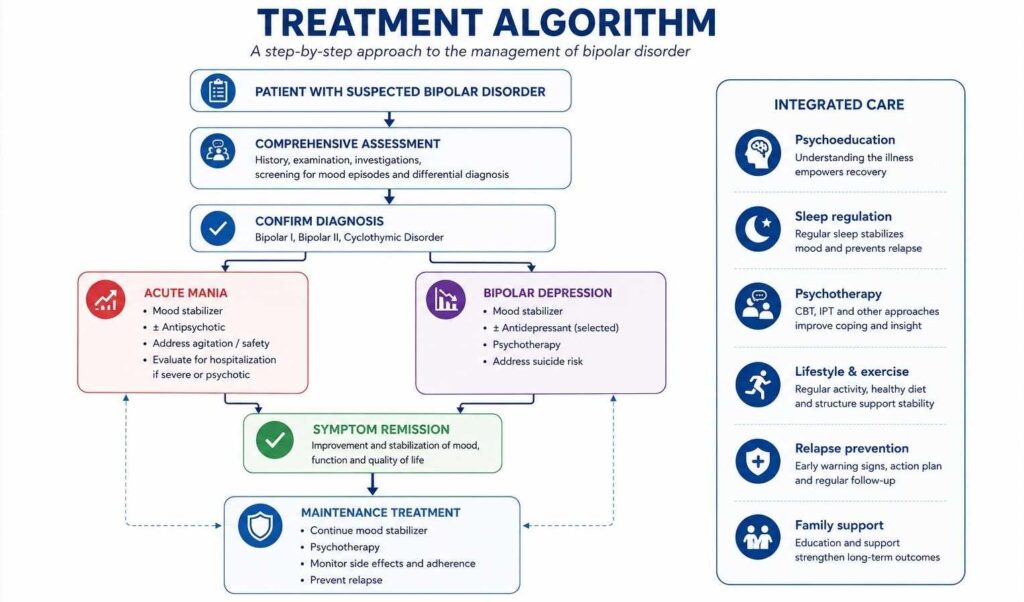
At CHMC Dubai, treatment for bipolar disorder begins with a comprehensive psychiatric assessment to confirm the diagnosis, determine the current phase of the illness and identify any co-existing psychiatric or medical conditions.
An individual treatment plan is then developed according to whether the patient is experiencing mania, hypomania, bipolar depression or a stable phase of the disorder. Treatment may include mood-stabilising medication, psychotherapy, psychoeducation, lifestyle interventions and regular psychiatric follow-up.
During the initial phase, appointments may be more frequent while symptoms and medication response are monitored. Once mood stability has been achieved, treatment shifts toward relapse prevention, recognition of early warning signs and long-term maintenance.
Why Choose CHMC for Bipolar Disorder Treatment?
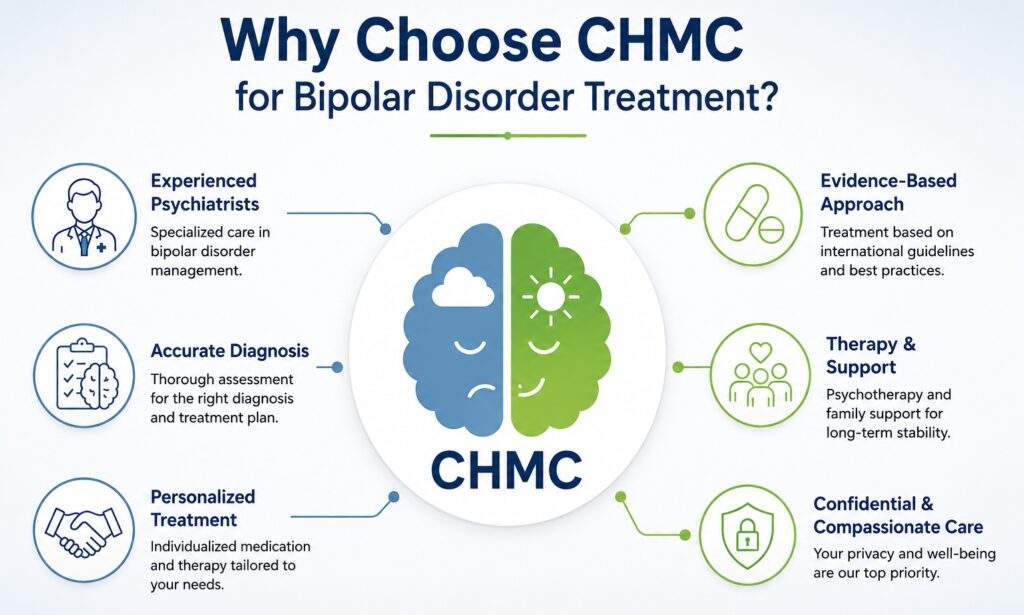
At CHMC German Clinic for Psychiatry and Psychology, patients are treated by Dr Gregor Kowal, a German Board Certified Consultant Psychiatrist and Psychotherapist with more than 30 years of clinical experience in Germany and the UAE. Dr Kowal is supported by a team of experienced psychologists.
Our approach follows current international treatment guidelines and is based on evidence-based psychiatry. We develop an individual treatment plan that is regularly reviewed and adjusted according to the patient’s symptoms, response to medication, and stage of the illness. Bipolar disorder usually requires long-term, and often life-long therapy. A strong therapeutic relationship and continuity of care are essential for successful treatment.
For this reason, CHMC does not rely on visiting psychiatrists or psychologists. Our clinicians are permanently based in Dubai, allowing patients to continue treatment with the same therapist over many years without unnecessary changes in their care.
Schedule a Bipolar Disorder Assessment
If you or a family member may be experiencing bipolar disorder, early diagnosis can prevent future episodes and improve long-term outcomes. Contact CHMC German Clinic for Psychiatry and Psychology in Dubai to arrange a comprehensive psychiatric assessment with Dr. Gregor Kowal.
FAQs About Treatment for Bipolar Disorder
What is the most effective treatment for bipolar disorder?
Effective bipolar disorder treatment usually combines mood-stabilising medication, regular psychiatric follow-up and psychotherapy. Treatment is individualised according to whether the patient is experiencing mania, hypomania, bipolar depression or a stable phase of the disorder. Long-term treatment also focuses on preventing relapse and maintaining mood stability.
Can bipolar disorder be treated without medication?
In most cases, medication is the foundation of bipolar disorder treatment. Psychotherapy can improve coping strategies, treatment adherence, stress management and recognition of early warning signs, but it generally complements medication rather than replacing it.
Which medications are used to treat bipolar disorder?
Medication depends on the phase and individual course of the illness. Treatment may include mood stabilisers such as lithium or lamotrigine and certain atypical antipsychotics. Antidepressants may be considered in selected cases but require careful psychiatric supervision because of the risk of mood destabilisation.
How long does treatment for bipolar disorder last?
Bipolar disorder is usually a long-term condition. Many patients require maintenance treatment for years and sometimes lifelong treatment, particularly when they have experienced recurrent or severe mood episodes. The aim is to reduce relapse and maintain long-term stability.
Can psychotherapy help with bipolar disorder?
Yes. Psychotherapy can help patients understand the disorder, recognise early warning signs, manage stress and improve relationships and everyday functioning. It is generally used alongside appropriate medical treatment.
When is hospital treatment necessary for bipolar disorder?
Hospital treatment may be necessary during severe manic or depressive episodes, particularly when there is psychosis, suicidal risk, dangerous behaviour, severe agitation or an inability to care for oneself. After stabilisation, treatment can usually continue on an outpatient basis.
Can bipolar disorder relapse despite treatment?
Yes. Treatment substantially reduces the risk of relapse, but new episodes can still occur. Sleep disruption, severe stress, alcohol or recreational drugs, and stopping medication without medical advice can increase this risk. Recognising early warning signs allows treatment to be reviewed before symptoms become more severe.
When should I see a psychiatrist for possible bipolar disorder?
A psychiatric assessment is advisable when recurrent depression is accompanied by periods of unusually elevated or irritable mood, increased energy, reduced need for sleep, racing thoughts or impulsive behaviour. Accurate diagnosis is particularly important because bipolar disorder can initially appear similar to recurrent depression and requires a different treatment approach.
Read More About Bipolar Disorder
- Symptoms of Bipolar Disorder
- Diagnosis of Bipolar Disorder
- Self-Test for Bipolar Disorder
- Psychiatrist for Bipolar Disorder
- When is Hospital Admission Necessery for BD
- Medication for Bipolar Disorder
- Psychotherapy for Bipolar Disorder
- Living with Bipolar Disorder
- Long Term Recovery & Quality of Life with BD
- What is Mania and Hypomania?
- CANMAT Guidelines for Bipolar Disorder
- Mood Stabilizers for Bipolar Disorder
- Lithium for Bipolar Disorder
Medically reviewed by Dr. Gregor Kowal

DR. GREGOR KOWAL
Dr. Gregor Kowal is a German-certified consultant in Psychiatry and Psychotherapy. Since 2010, Dr. Kowal has been the Medical Director of CHMC, a psychiatric clinic located in Dubai. Dr. Kowal graduated from the prestigious University of Heidelberg. After completing his specialty training, he held leadership and teaching positions, serving as Head of Department and later as Medical Director at renowned psychiatric hospitals across Germany. In addition to his expertise in psychiatry, Dr. Kowal is trained as a psychotherapist with a foundation in psychoanalytical psychotherapy.