

OCD medication can play an important role in reducing obsessive thoughts, compulsive behaviours and the associated anxiety.
Obsessive-Compulsive Disorder (OCD) is characterised by persistent intrusive thoughts, images, impulses or doubts known as obsessions, together with repetitive behaviours or mental rituals known as compulsions.
In more severe cases, OCD symptoms can consume several hours each day and significantly interfere with work, relationships, sleep and everyday functioning.
OCD medication is particularly relevant when symptoms are moderate or severe, psychotherapy alone has not provided sufficient improvement, or the intensity of the disorder makes participation in cognitive behavioural therapy (CBT) with exposure and response prevention (ERP) difficult.
When medication is indicated, antidepressants such as selective serotonin reuptake inhibitors (SSRIs) are generally the first choice. Clomipramine or selected SNRIs may be considered when SSRIs are ineffective or poorly tolerated.
At CHMC German Clinic for Psychiatry and Psychology in Dubai, medication treatment begins with a comprehensive psychiatric assessment for OCD.
Medication should not be prescribed simply because a patient reports repetitive thoughts or anxiety. The diagnosis must first be established, the severity of OCD evaluated, co-existing psychiatric and medical conditions considered, and previous treatments reviewed.
At CHMC we integrate medication with psychotherapy as part of an individualised OCD treatment plan.
For OCD Therapy with Medication, Contact Our Consultant Psychiatrist:
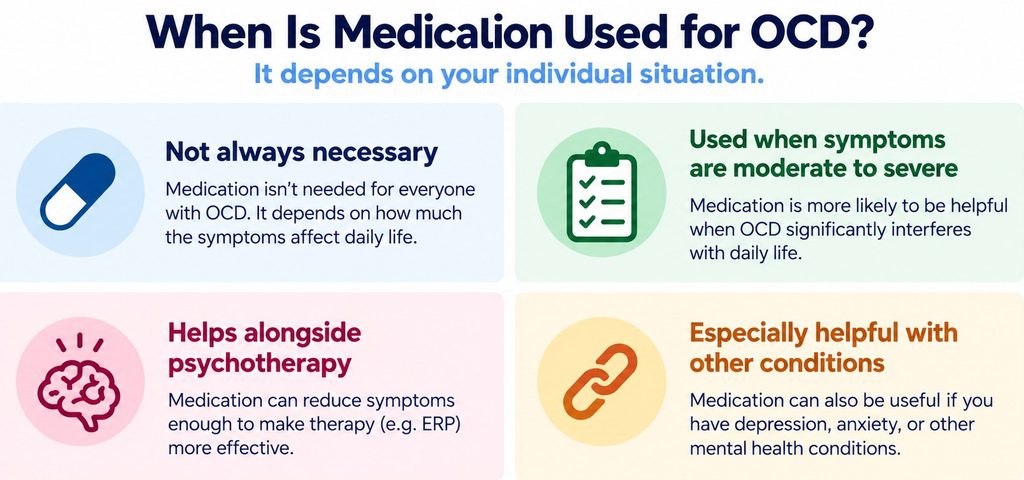
When Is Medication Used for OCD?
Medication is not automatically necessary for every patient with OCD. The decision depends on the severity and duration of symptoms, their impact on daily functioning, previous treatment, co-existing psychiatric conditions, and the patient’s preferences.
CBT with ERP is an established psychological treatment for OCD. However, some patients are so overwhelmed by obsessive fears, anxiety, or compulsive rituals that engaging in psychotherapy is initially impossible. Reducing the intensity of symptoms with medication facilitates access to psychotherapy. Medication also becomes particularly relevant when psychotherapy has not produced sufficient improvement. In moderate to severe OCD, medication and psychotherapy may also be combined.
Medication can also be particularly useful when OCD occurs together with depression or significant anxiety because the antidepressants used for OCD can improve these symptoms as well.
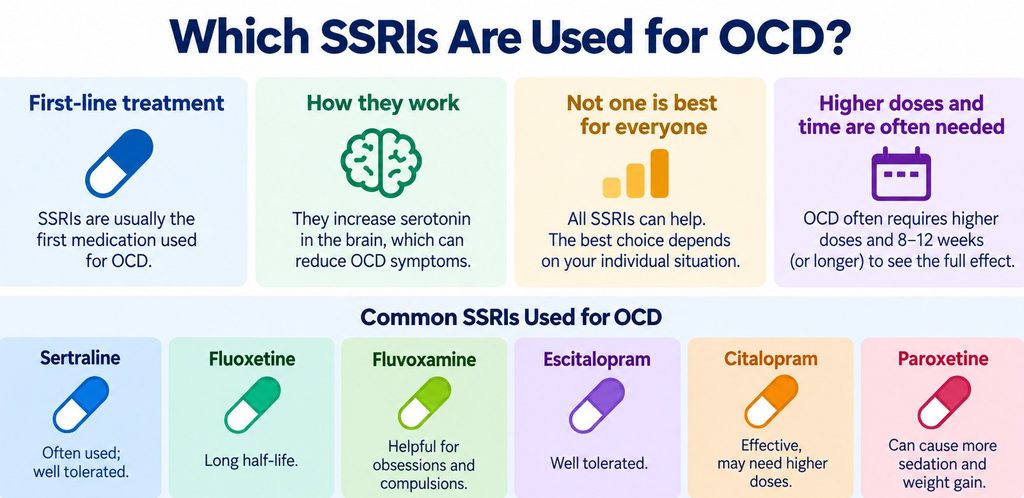
Which SSRIs Are Used for OCD?
SSRIs, or selective serotonin reuptake inhibitors, are generally the first-line pharmacological treatment for OCD. These medications modify serotonin neurotransmission by reducing the reuptake of serotonin into nerve cells, thereby increasing its availability within the synaptic system.
Several SSRIs are used for OCD, including sertraline, fluoxetine, fluvoxamine, paroxetine, citalopram, and escitalopram. Although all belong to the same medication class, they differ in their side-effect profiles, half-lives, potential interactions with other medications, and how individual patients tolerate them.
Comparative evidence has not shown a major difference in overall effectiveness between commonly used SSRIs. This means that the psychiatrist does not simply choose the “strongest” OCD medication. The decision is based on the patient’s symptoms, previous response to antidepressants, physical health, other medications, and possible side effects.
Another important difference from the treatment of depression is that OCD often requires higher SSRI doses and a longer treatment period before the full response becomes apparent. For this reason, an SSRI should not be considered ineffective simply because the patient has not improved after a few weeks. The medication needs to be taken regularly and given sufficient time at an appropriate dose before its effectiveness can be properly assessed.
Sertraline
Sertraline is one of the commonly used SSRIs for OCD. It is also widely used for depression and several anxiety disorders, which can make it particularly useful when OCD occurs together with significant anxiety or depressive symptoms.
As with other SSRIs, sertraline is usually started at a lower dose and gradually adjusted according to response and tolerability. OCD may require doses toward the higher end of the therapeutic range. Gastrointestinal symptoms, particularly nausea or diarrhoea, can occur during the early stages of treatment, while sexual side effects are possible during longer-term use.
Sertraline has relatively manageable drug interactions compared with some other antidepressants, which can be helpful for patients taking additional medication. However, whether sertraline is the best choice depends on the individual patient rather than on a general advantage over the other SSRIs.
Fluoxetine
Fluoxetine is another well-established SSRI used for OCD. One characteristic that distinguishes it from many other SSRIs is its long half-life, meaning that fluoxetine and its active metabolite remain in the body for a relatively long time.
Fluoxetine can feel somewhat activating in some patients. This may be helpful when OCD is accompanied by depression, low energy or reduced motivation, but it can also contribute to restlessness or sleep difficulties, particularly during the beginning of treatment. The timing and dose can therefore be adjusted according to the patient’s response.
Its long half-life also means that medication levels decrease gradually after discontinuation. At the same time, fluoxetine can interact with certain other medications, so the psychiatrist needs to consider the patient’s complete medication history before prescribing it.
Fluvoxamine
Fluvoxamine has a long history of use in OCD and is sometimes particularly associated with the disorder. This can create the impression that fluvoxamine is more effective for OCD than other SSRIs, but there is no convincing evidence that it is generally superior.
Fluvoxamine can be effective for both obsessive thoughts and compulsive symptoms, but one practical consideration is its potential to interact with other medications. This becomes particularly important in patients taking several prescription drugs.
For some patients, fluvoxamine can also have a more calming or sedating effect, although individual responses vary. This may influence whether it is taken in the morning or evening and whether it is suitable for a particular patient.
Citalopram
Citalopram can also reduce obsessive-compulsive symptoms and has historically been used as one of the serotonergic medications for OCD. However, citalopram requires particular attention to cardiac safety because higher doses can prolong the QT interval in ECG in susceptible patients. This is relevant in OCD because effective pharmacological treatment may sometimes require higher SSRI doses. The psychiatrist must therefore consider age, heart disease, other medications and potential interactions when deciding whether citalopram is appropriate.
For this reason, the theoretically useful strategy of simply increasing an SSRI to a higher dose cannot be applied indiscriminately to citalopram.
Escitalopram
Escitalopram is frequently used in clinical practice for OCD, as well as for depression and anxiety disorders. Citalopram is a racemic mixture, containing approximately equal amounts of two mirror-image molecules: S-citalopram and R-citalopram. Escitalopram contains only S-citalopram, the enantiomer primarily responsible for serotonin-reuptake inhibition. Therefore, escitalopram is pharmacologically more potent than citalopram on a milligram-for-milligram basis. Its pharmacological properties and generally favourable tolerability profile are among the reasons why escitalopram is frequently used in clinical practice.
As with other SSRIs, the dose required for OCD may differ from that used for uncomplicated depression. The patient’s response and side effects therefore need to be evaluated over time rather than assuming that one standard dose is appropriate for everyone.
Paroxetine
Paroxetine is another established SSRI for OCD. It can be effective for obsessive-compulsive symptoms and may also help accompanying anxiety and depression. Compared with some other SSRIs, however, paroxetine is more likely to cause certain side effects, including sedation, weight gain and sexual dysfunction. It also has a relatively short half-life, which means that discontinuation symptoms can be more noticeable if doses are missed or the medication is stopped too quickly.
Paroxetine may nevertheless be an effective choice for an individual patient, particularly if it has worked well previously. If it is discontinued, the dose should generally be reduced gradually rather than stopped abruptly.
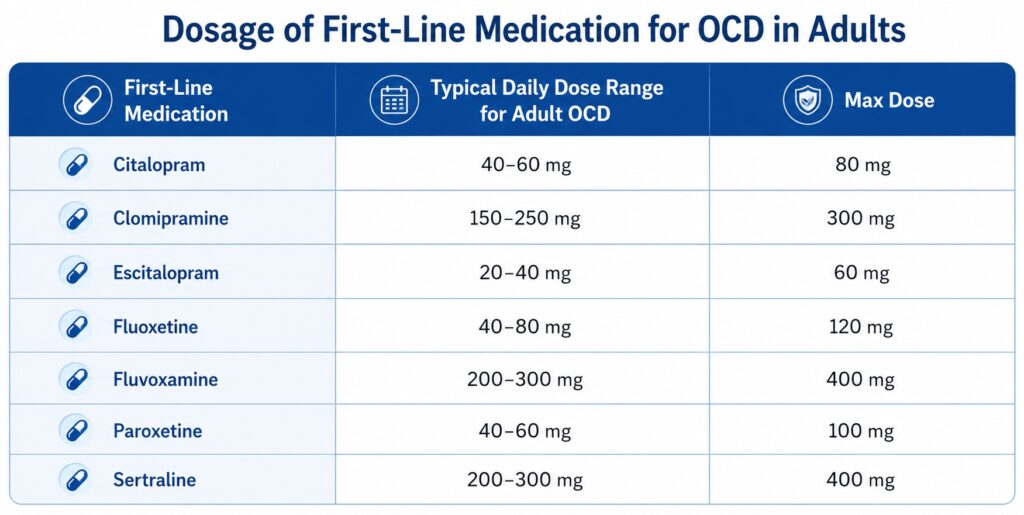
What Dose of an SSRI Is Needed for OCD?
OCD may require a different dosing strategy from depression. Patients sometimes need doses toward the higher end of the therapeutic range to achieve a satisfactory response.
This does not mean that every patient should automatically receive a high dose. Treatment is generally started cautiously and increased according to clinical response and tolerability. Some patients respond to moderate doses, while others may require higher doses. Age, physical health, other medication, potential interactions, and side effects must always be considered.
Patients should never increase or reduce the dose independently. Dose adjustments should be made in consultation with the treating psychiatrist.
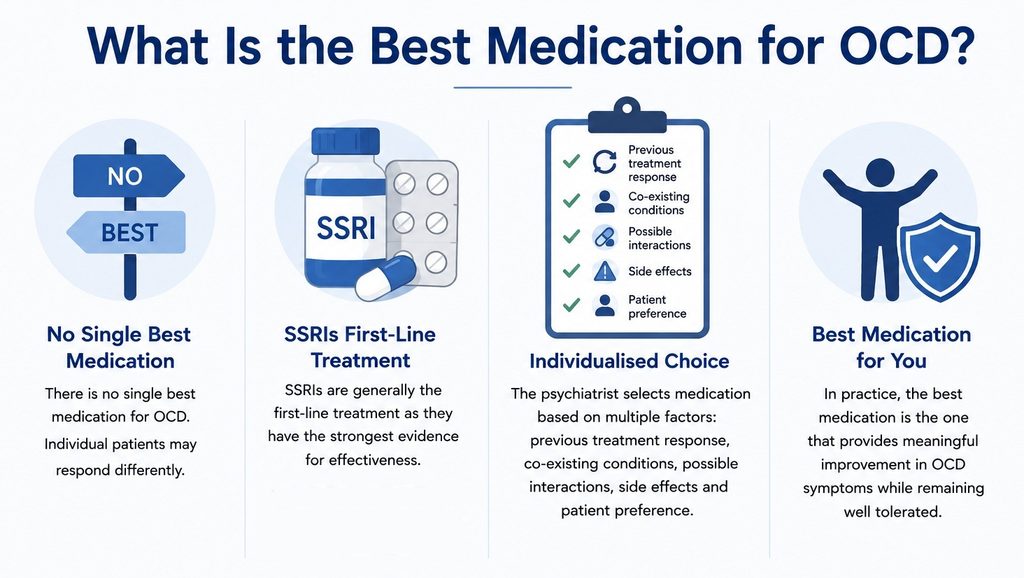
What Is the Best Medication for OCD?
There is no single best medication for OCD. SSRIs are generally the first-line pharmacological treatment because they have the strongest overall evidence for effectiveness. However, individual patients may respond differently, and other options such as clomipramine may be considered when an SSRI is not sufficiently effective.
The psychiatrist selects medication according to previous treatment response, co-existing psychiatric or medical conditions, possible interactions, side effects and patient preference. In practice, the best medication is one that provides meaningful improvement in OCD symptoms while remaining well tolerated.
What If OCD Medication Does Not Work?
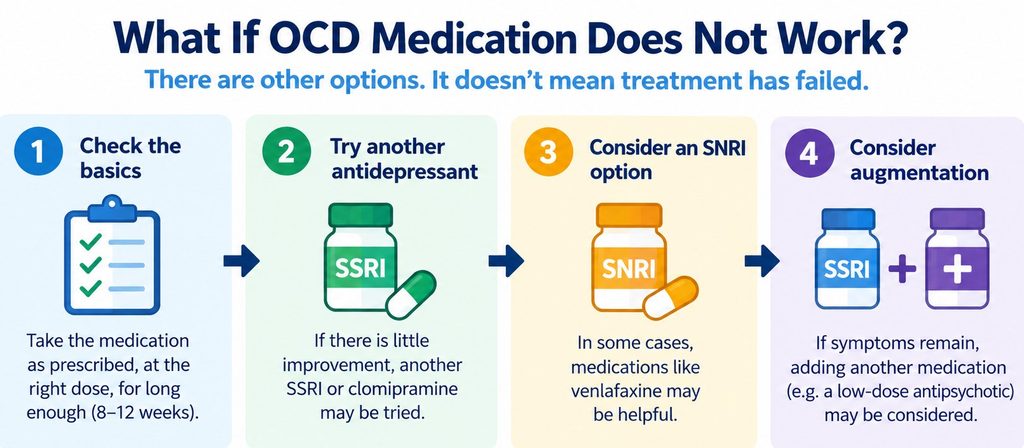
If the first antidepressant does not produce sufficient improvement, this does not mean that medication treatment has failed. Before changing treatment, the psychiatrist should determine whether the medication has been taken consistently, at an adequate dose and for a sufficient period of time. OCD often requires higher antidepressant doses and longer treatment trials than depression.
If an adequate SSRI trial produces little or no improvement, another SSRI or clomipramine may be considered. In selected cases, an SNRI such as venlafaxine may also be an option. If the antidepressant provides a partial response but clinically significant OCD symptoms remain, the psychiatrist may instead consider augmentation treatment, in which another medication is added to the existing antidepressant.
Clomipramine for OCD
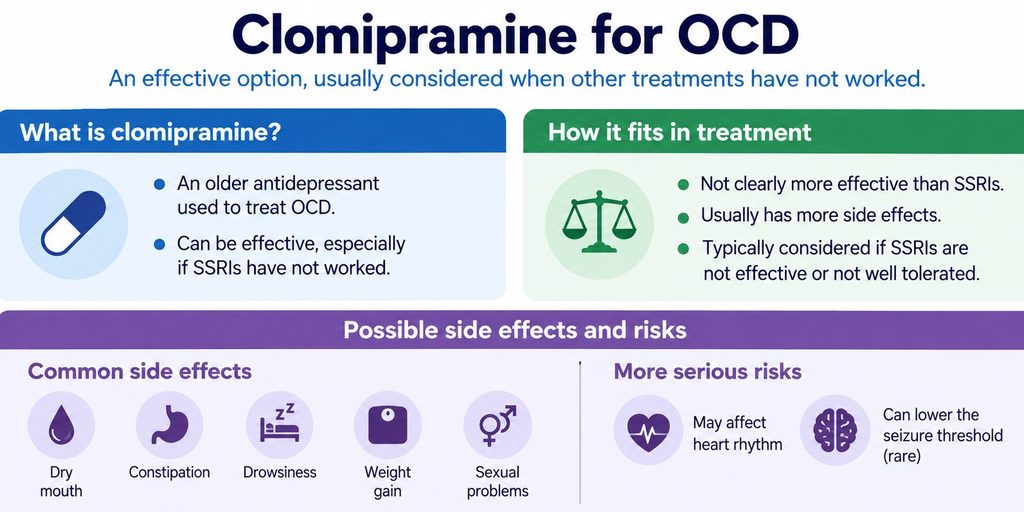
Clomipramine is one of the oldest established medications for the treatment of OCD. It belongs to the group of tricyclic antidepressants and has a strong effect on serotonin reuptake. It can be an effective treatment for OCD, particularly in patients who have not responded adequately to one or more SSRIs.
Although clomipramine is highly effective for some patients, available evidence does not clearly show that it is more effective than SSRIs overall. Because it generally causes more side effects and requires greater attention to safety and monitoring, SSRIs are usually preferred as first-line medication. Clomipramine is therefore more commonly considered when treatment with SSRIs has been unsuccessful.
Common side effects of clomipramine include dry mouth, constipation, sweating, dizziness, weight gain, sexual dysfunction, and difficulties with urination. More clinically significant risks include effects on cardiac conduction and a lowering of the seizure threshold. Depending on the patient’s age, physical health, dose, and other medications, an ECG and additional monitoring may therefore be recommended before and during treatment.
When Can an SNRI Be Considered?
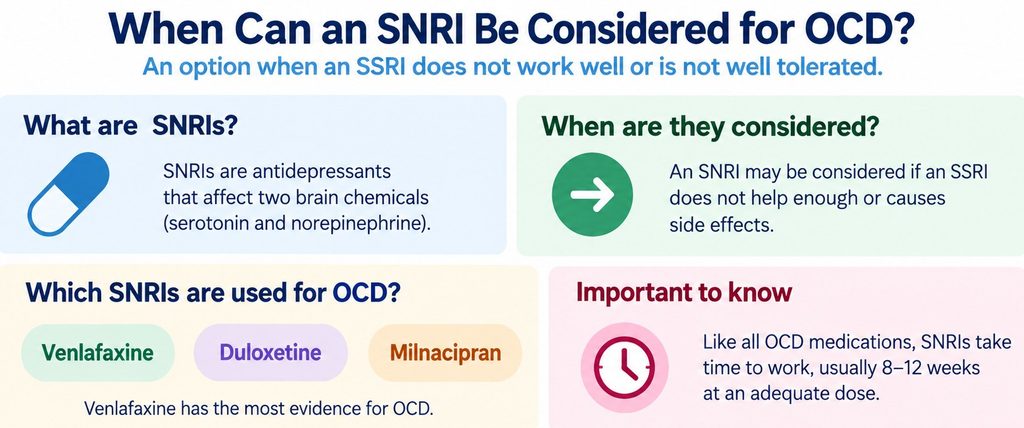
Serotonin-norepinephrine reuptake inhibitors (SNRIs) are another group of antidepressants that can be considered for some patients with OCD. Unlike SSRIs, which act mainly on serotonin, SNRIs influence both serotonin and norepinephrine. They are widely used for depression and anxiety disorders, but they are not usually the first-line medication prescribed specifically for OCD.
For most patients who require OCD medication, an SSRI remains the preferred starting point. However, not everyone responds sufficiently to the first medication, and some patients experience side effects that make continued SSRI treatment difficult. An SNRI can be a useful additional option when standard OCD medication has not worked sufficiently. This is important because medication response in OCD varies considerably between individuals. An insufficient response to one medication does not mean that further pharmacological treatment will also fail.
Which SNRIs Can Be Used for OCD?
Among the SNRIs, venlafaxine has the strongest evidence for OCD. Studies suggest that it can reduce obsessive-compulsive symptoms, and some comparative evidence indicates effectiveness similar to clomipramine with potentially better tolerability. Duloxetine and milnacipran have also been studied, but the evidence supporting their use in OCD is considerably more limited.
The decision to use an SNRI should therefore be individualised. The psychiatrist considers which medications have already been tried, whether they were taken at an adequate dose and for sufficient time, how well they were tolerated, and whether co-existing conditions such as depression or anxiety may influence the choice of medication. SNRIs should not be considered equivalent first-line alternatives to SSRIs for OCD.
Venlafaxine for OCD
Among the SNRIs, venlafaxine is the most established option for OCD. It affects serotonin more strongly at lower doses, while its effect on norepinephrine becomes more relevant as the dose increases. This dual action distinguishes it from SSRIs and may make it a useful alternative for selected patients.
Venlafaxine does not normally replace an SSRI as the first medication for OCD. It becomes more relevant when an adequate SSRI trial has produced little or insufficient improvement, when another SSRI has also been unsuccessful, or when tolerability limits the available options.
As with SSRIs, venlafaxine does not provide immediate relief from obsessions and compulsions. OCD medication generally needs sufficient time before its effectiveness can be judged. The decision to switch medication should therefore not be made simply because the patient has not noticed a major improvement during the first few weeks.
Augmentation Treatment for OCD
Some patients improve with an SSRI but continue to experience clinically significant obsessions and compulsions. When an antidepressant provides a partial response, the psychiatrist may consider adding another medication rather than replacing a treatment that is already providing some benefit. This strategy is known as augmentation treatment.
The best-established pharmacological augmentation strategy for OCD is the addition of a low-dose atypical antipsychotic, particularly aripiprazole or risperidone. Other approaches, including medications that influence the glutamate system, have also been studied, although their role is more specialised.
Antipsychotics for OCD Augmentation
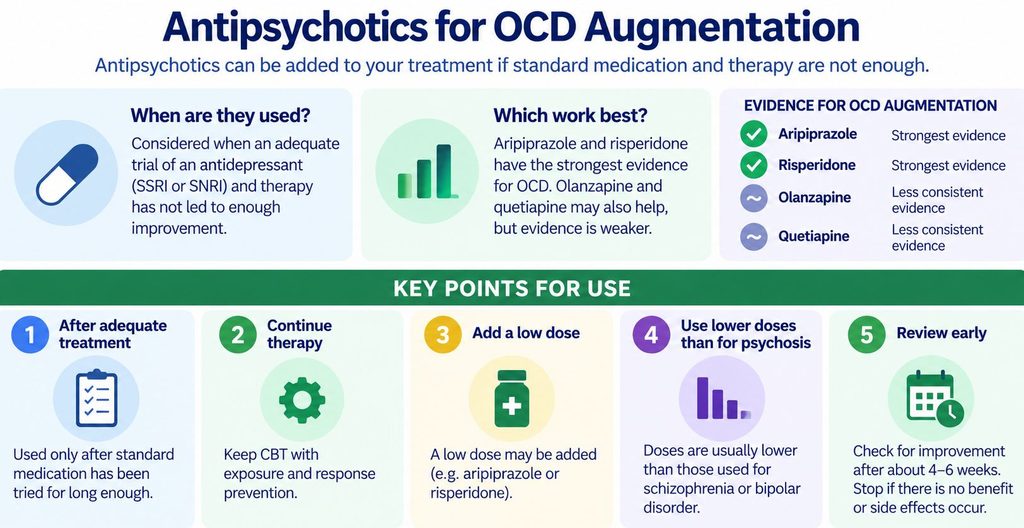
Antipsychotics may be considered when OCD symptoms remain significant despite adequate first-line treatment. They are not usually used alone for OCD but are added to an existing antidepressant to enhance its effect.
Among second-generation antipsychotics, aripiprazole and risperidone have the strongest evidence for OCD augmentation. Olanzapine and quetiapine have also been studied, but the evidence supporting their use is less consistent.
When and How to Use Antipsychotic Augmentation?
Before augmentation is considered, the psychiatrist should confirm that the antidepressant has been taken consistently, at an appropriate dose and for sufficient time. CBT with exposure and response prevention (ERP) should also be considered or optimised.
When significant symptoms persist despite these measures, low-dose aripiprazole or risperidone may be added. The doses used for OCD augmentation are generally lower than those used to treat psychotic disorders.
When augmentation is effective, improvement can often be recognised within several weeks. Treatment should therefore be reviewed relatively early. If there is no meaningful improvement, continuing the antipsychotic indefinitely is unlikely to be beneficial and discontinuation should be considered.
Aripiprazole and Risperidone for OCD
Aripiprazole and risperidone are the best-established antipsychotic augmentation options for OCD. The choice between them depends on the individual patient, including previous treatment, co-existing conditions, potential side effects, weight and metabolic risk.
The term “antipsychotic” can understandably concern patients with OCD. Using these medications for augmentation does not mean that the patient has psychosis or schizophrenia. At low doses, they can enhance the effect of antidepressant treatment in some patients with persistent OCD symptoms.
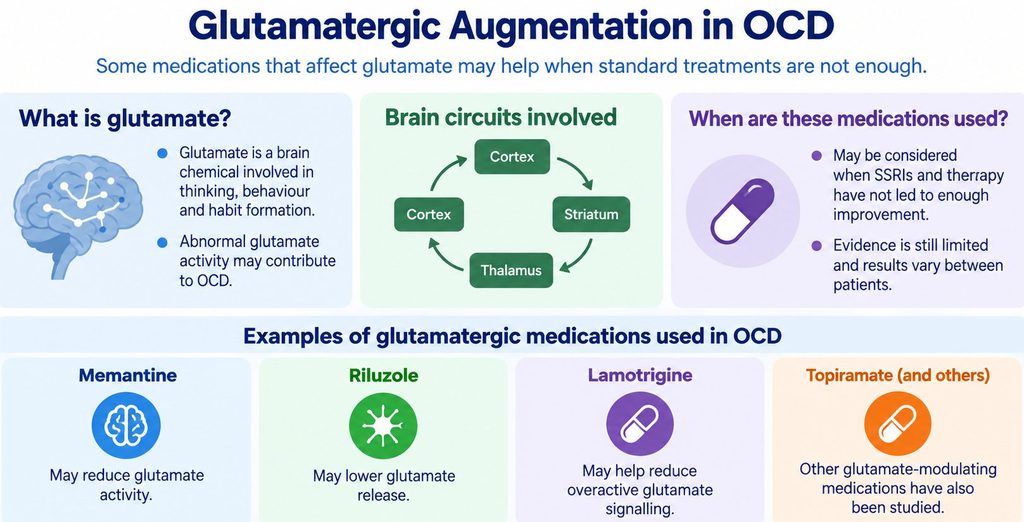
Glutamatergic Augmentation in OCD
Glutamate is an important neurotransmitter involved in brain circuits associated with thoughts, behaviour and habit formation. Abnormal glutamate activity within the cortico-striato-thalamo-cortical circuits has been investigated as one of the biological mechanisms that may contribute to OCD.
Several medications that influence glutamate transmission have therefore been studied as augmentation strategies for difficult-to-treat OCD. These include memantine, lamotrigine, riluzole and topiramate. They act on the glutamate system in different ways and are generally added to established OCD treatment rather than used as first-line medications.
The evidence for glutamatergic augmentation is more limited than for SSRIs and selected antipsychotic augmentation. These medications therefore have a more specialised role and may be considered in selected patients when established treatment strategies have not provided sufficient improvement.
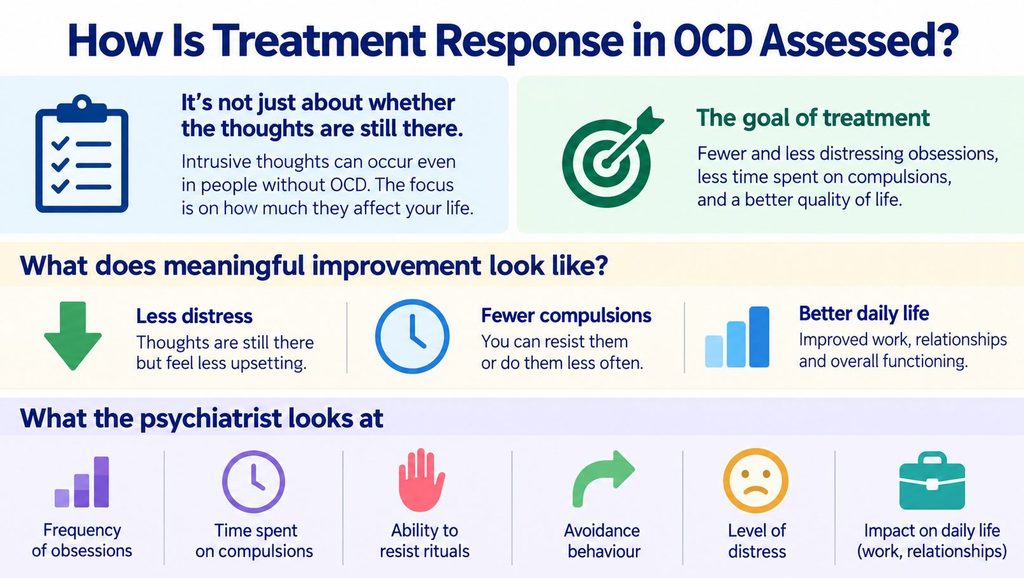
How Is Treatment Response in OCD Assessed?
Treatment response in OCD involves more than simply asking whether obsessive or intrusive thoughts are still present. Intrusive thoughts can occur even in people without OCD, and although complete remission is the ideal treatment goal, the disappearance of every unwanted thought is not always realistic.
Meaningful improvement often means that obsessions become less distressing and compulsions become easier to resist. A patient may still experience doubt but check only once instead of repeatedly. Someone with contamination OCD may still feel uncomfortable after touching certain objects but be able to resist the urge to wash. Similarly, a patient with predominantly mental compulsions may continue to experience intrusive thoughts but spend much less time analysing them, seeking certainty, or trying to neutralise them mentally.
The psychiatrist therefore assesses changes in the frequency and intensity of obsessions, time spent on compulsions, ability to resist rituals, avoidance behaviour, emotional distress, and everyday functioning. Improvement in work, relationships and social life is just as important as a reduction in symptoms.
The goal of successful OCD treatment is not simply to eliminate every intrusive thought. It is to reduce the power of obsessions and compulsions so that OCD no longer dominates or restricts the patient’s life.
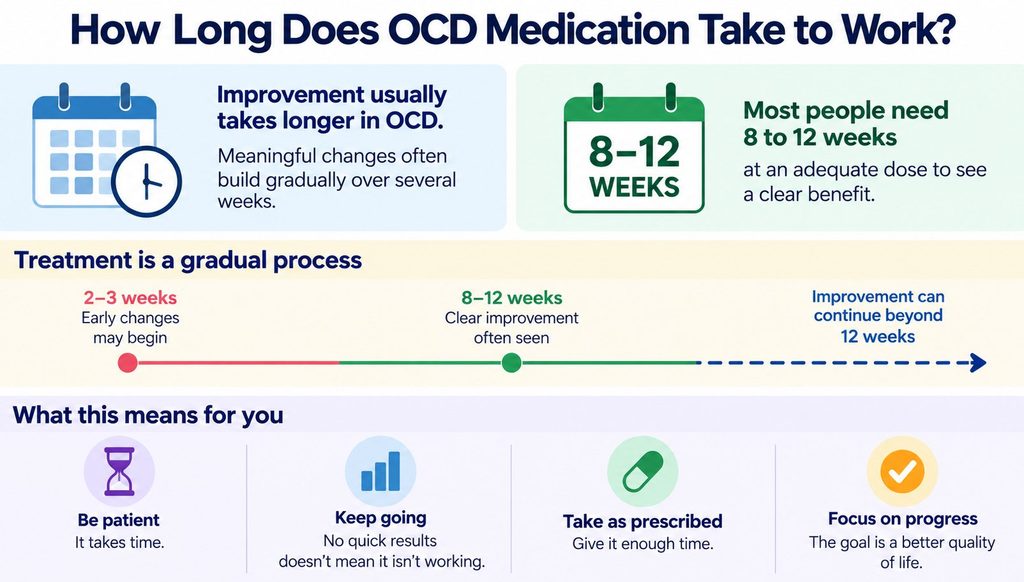
How Long Does OCD Medication Take to Work?
Antidepressants generally take longer to work in OCD than in depression or many anxiety disorders. Some patients notice early changes, but meaningful improvement in obsessions and compulsions usually develops gradually over several weeks.
An adequate antidepressant trial for OCD generally requires eight to twelve weeks, including sufficient time at an appropriate therapeutic dose. Improvement may continue beyond twelve weeks, particularly in patients who respond gradually.
For this reason, an antidepressant should not be considered ineffective simply because substantial improvement has not occurred within the first few weeks. Treatment may be incorrectly classified as unsuccessful if the medication is stopped too early or has not been given at an adequate dose.
Patients should therefore have realistic expectations from the beginning. OCD medication requires patience, and a slow response does not necessarily mean that the treatment will not work.
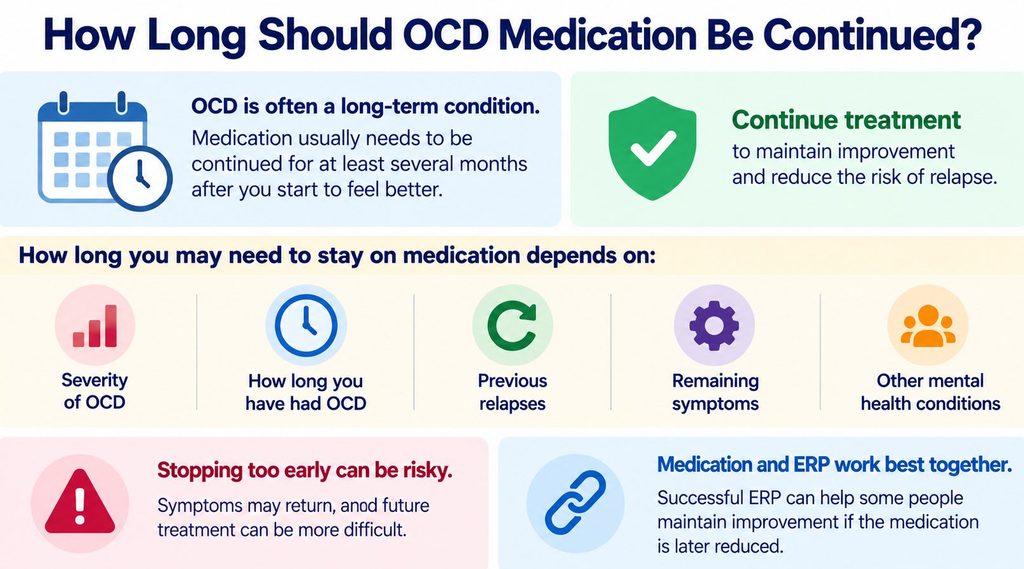
How Long Should OCD Medication Be Continued?
OCD is often a chronic or recurrent disorder, and medication might need to continue after symptoms have significantly improved. Once an antidepressant has produced a good response, continued treatment helps maintain improvement and reduce the risk of relapse.
The duration of treatment varies between patients. Some may need medication for a limited period, while others benefit from treatment for several years. The decision depends on factors such as the severity and duration of OCD, previous relapses, residual symptoms, co-existing psychiatric conditions, and response to psychotherapy with ERP.
Relapse can occur after an effective antidepressant is discontinued, particularly if medication is stopped too soon. Successful ERP may help patients maintain improvement and can be particularly valuable when medication is gradually reduced.
The decision to stop OCD medication should therefore be planned individually with the treating psychiatrist rather than based simply on feeling better. Antidepressants should generally be reduced gradually while symptoms are monitored for signs of recurrence.
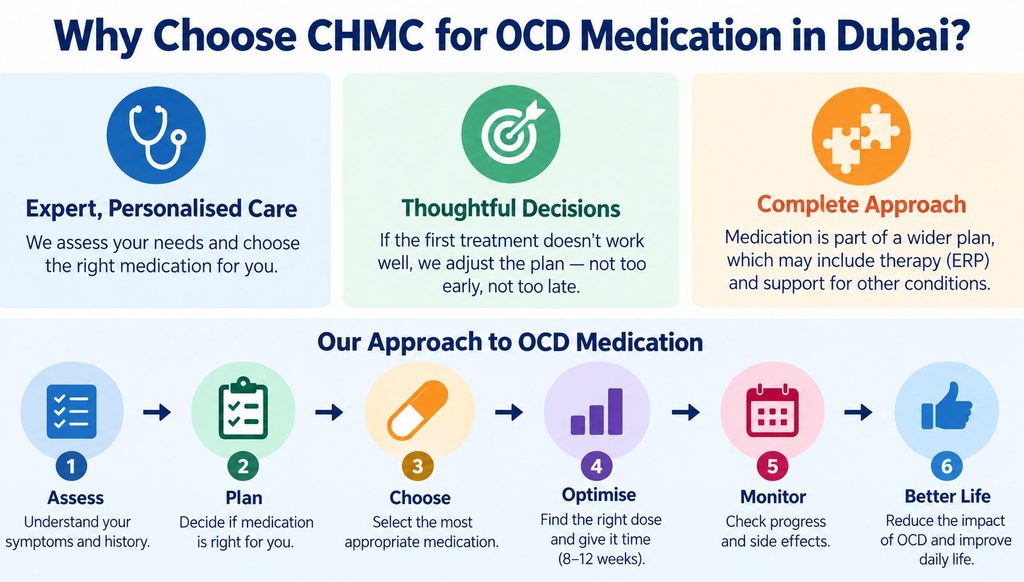
Why Choose CHMC for OCD Medication in Dubai?
Effective OCD treatment requires more than prescribing medications. The psychiatrist must establish the correct diagnosis, determine whether medication is indicated, select an appropriate medication, find an effective and tolerable dose, allow sufficient time for the medication to work and monitor both improvement and side effects.
This becomes particularly important when the first treatment does not produce the expected response. Changing medication too early can result in an effective treatment being abandoned before it has had sufficient time to work. On the other hand, continuing an ineffective treatment indefinitely is equally counterproductive.
At CHMC Dubai, OCD medication is therefore integrated into an individual psychiatric treatment strategy that also considers psychotherapy with ERP, co-existing psychiatric conditions and the patient’s long-term needs. The aim is not simply to suppress symptoms but to reduce the burden of OCD and help patients regain normal functioning in their personal, social and professional lives.
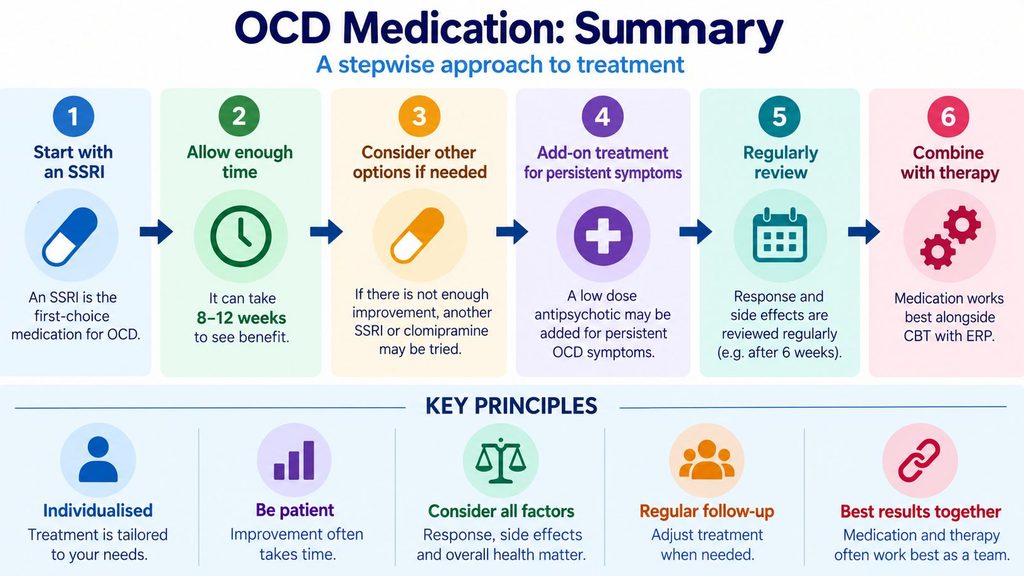
OCD Medication: Summary
OCD medication generally follows a stepwise approach. SSRIs are the first-line pharmacological treatment and often require a longer treatment trial and higher therapeutic doses than those used for depression. The medication should be taken at an adequate dose for sufficient time before its effectiveness is assessed. If an SSRI does not provide sufficient improvement, another SSRI or clomipramine may be considered.
SNRIs, particularly venlafaxine, can also be an option in selected patients. When an antidepressant produces only a partial response, augmentation treatment may be considered, most commonly with low-dose aripiprazole or risperidone. Glutamate-modulating medications have also been studied for difficult-to-treat OCD, although their role is more specialised.
Medication is ideally integrated with CBT and exposure and response prevention (ERP). Treatment should be individualised according to symptom severity, previous response, side effects, physical health, co-existing conditions and patient preference.
The goal is not simply to eliminate intrusive thoughts, but to reduce obsessions and compulsions sufficiently for the patient to regain normal everyday functioning and quality of life.
For OCD Assessment Contact our Consultant Psychiatrist:

FAQ About OCD Medication
What medications are commonly used to treat OCD?
The main medications used for obsessive-compulsive disorder (OCD) are selective serotonin reuptake inhibitors (SSRIs). Common examples include sertraline, fluoxetine, fluvoxamine, paroxetine, and escitalopram. Clomipramine, a tricyclic antidepressant, is another effective option and may be considered when treatment with SSRIs is insufficient.
Are antidepressants effective for OCD?
Yes. Several antidepressants, particularly SSRIs and clomipramine, have proven effectiveness in OCD. They can reduce the intensity and frequency of obsessions and compulsions. However, improvement is usually gradual, and medication often needs to be taken consistently for several weeks before its full effect can be assessed.
How long does OCD medication take to work?
OCD generally responds more slowly to medication than depression or many anxiety disorders. Some patients notice initial improvement after several weeks, but a meaningful response may take 8–12 weeks or longer. Treatment should therefore not be considered ineffective simply because there is little improvement during the first few weeks.
Why are higher SSRI doses sometimes needed for OCD?
Patients with OCD may require higher SSRI doses than those typically used for depression. The dose is usually increased gradually according to effectiveness, tolerability, age, medical history, and other medications. Higher doses should only be used under medical supervision because the risk of side effects may also increase.
Which SSRI is best for OCD?
There is no single SSRI that is best for every patient. The choice depends on previous treatment response, possible side effects, other medical or psychiatric conditions, interactions with other medications, and individual preferences. If one SSRI is ineffective or poorly tolerated, another may still work well.
What is clomipramine, and when is it used for OCD?
Clomipramine is an older antidepressant with strong serotonin-related effects and established effectiveness in OCD. It may be considered when SSRIs have not provided sufficient improvement. Because clomipramine can cause more side effects and requires greater attention to interactions and medical monitoring, SSRIs are generally preferred as first-line medication.
What happens if the first OCD medication does not work?
Lack of response to the first medication does not mean that OCD cannot be treated successfully. The psychiatrist first checks whether the medication has been taken at an adequate dose for a sufficient period. Depending on the response, the dose may be adjusted, another SSRI may be tried, clomipramine may be considered, or another medication may be added.
Can antipsychotic medication be used for OCD?
Yes, but usually only as an augmentation treatment when an adequate trial of an SSRI or clomipramine has not produced sufficient improvement. Low-dose aripiprazole or risperidone has the strongest evidence among commonly used antipsychotic augmentation strategies. These medications are not standard first-line treatments for OCD.
Does OCD medication cure OCD completely?
Medication can substantially reduce OCD symptoms, but it does not necessarily eliminate them completely. The aim is to reduce obsessions and compulsions sufficiently to improve everyday functioning and quality of life. Combining medication with cognitive behavioural therapy (CBT), particularly exposure and response prevention (ERP), can provide additional benefit.
What are the common side effects of OCD medication?
Side effects depend on the medication and dose. SSRIs may cause nausea, gastrointestinal problems, headaches, sleep disturbance, increased sweating, restlessness, or sexual side effects. Some side effects improve after the first weeks of treatment. Persistent or troublesome side effects should be discussed with the treating psychiatrist rather than stopping medication abruptly.
Can OCD medication initially increase anxiety?
Some patients experience temporary restlessness, nervousness, sleep disturbance, or increased anxiety when starting an SSRI or increasing the dose. For this reason, treatment is often started at a relatively low dose and increased gradually. Significant or persistent worsening should always be discussed with the prescribing psychiatrist.
How long should I take medication for OCD?
OCD frequently requires long-term treatment. After a good response has been achieved, medication is usually continued to reduce the risk of relapse. The appropriate duration depends on the severity and duration of OCD, previous relapses, remaining symptoms, response to psychotherapy, and individual circumstances.
Can I stop OCD medication once I feel better?
OCD medication should not normally be stopped suddenly. Abrupt discontinuation of an SSRI can cause withdrawal symptoms and may increase the risk of OCD symptoms returning. When discontinuation is appropriate, the medication is usually reduced gradually under medical supervision.
Is medication or psychotherapy better for OCD?
Both can be effective. Cognitive behavioural therapy with exposure and response prevention is a core psychological treatment for OCD, while SSRIs are the main pharmacological treatment. For moderate or severe OCD, or when one treatment alone is insufficient, combining medication with CBT/ERP may be particularly useful.
How does a psychiatrist choose medication for OCD?
The psychiatrist considers the severity of OCD, previous medication trials, co-existing conditions such as depression or anxiety, physical health, other medications, potential interactions, side effects, and the patient’s previous response to treatment. Medication is then adjusted gradually and monitored over time to find the most effective and well-tolerated treatment.